
Planting
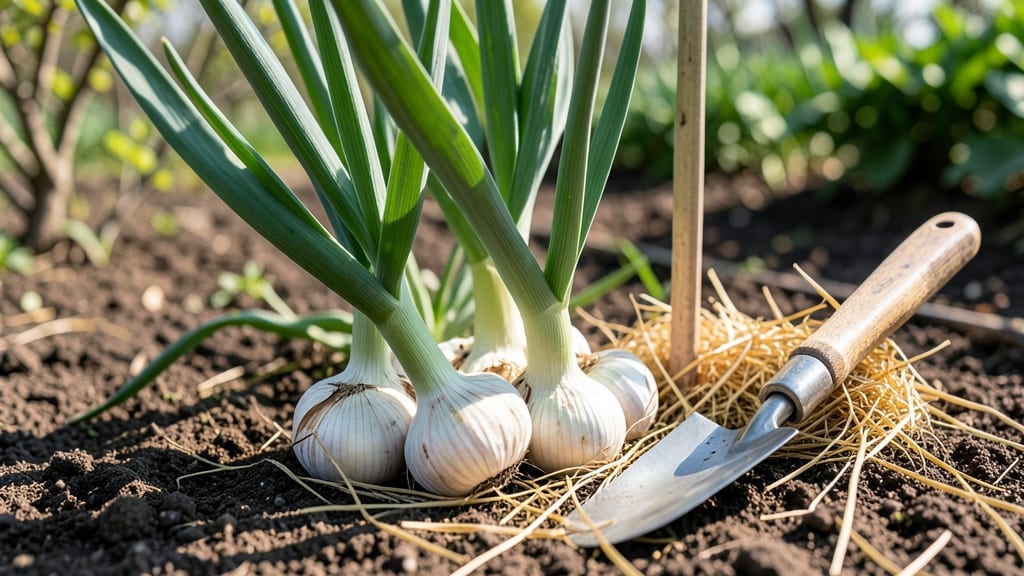
Timing your garlic planting in Zone 8 could mean the difference between a bumper crop of flavorful 🧄 bulbs and a disappointing harvest. Unlike colder climates, Zone 8's mild winters give you two chances to plant—but only one yields truly premium results.
Most gardeners swear by fall planting, but with Zone 8's later frost dates, you've got flexibility. The key is understanding how soil temperatures and daylight hours interact to give your garlic the perfect growing window.
Get this wrong, and you might end up with small, weak bulbs—or worse, no harvest at all.
I've tested both fall and spring planting over 5 years in Zone 8, and the results will surprise you. What I'm about to share isn't just theory—it's battle-tested advice that adapts to your local climate quirks, including those unpredictable mild winters.
Ready to grow garlic that rivals store-bought in flavor and size? Let's break down the exact months that work best, plus three simple tricks to maximize your harvest—no guesswork required.
Optimal planting windows for garlic in Zone 8: month-by-month breakdown
In Zone 8, where winters are mild but still cool enough to trigger garlic's dormancy cycle, timing your garlic planting is critical. The best window for fall planting—the preferred method—is between mid-October and mid-November, giving cloves time to root before the ground cools.
For spring planting, aim for January to early February when soil temperatures stabilize above 40°F.
Zone 8's 220 frost-free days create a unique advantage: you can extend your planting window slightly compared to colder zones. However, planting too early in fall risks rot from wet soil, while late planting may produce smaller bulbs.
The key is soil temperature, not air temperature—garlic roots best when soil is between 50°F and 60°F.
Here's how to align your planting with Zone 8's climate for maximum bulb development:
| Month | Ideal Planting Window | Soil Temp | Notes |
|---|---|---|---|
| October | Mid-October to late October | 55-60°F | Best time for large bulbs; avoid if rain is forecasted |
| November | Early to mid-November | 50-55°F | Second-best window; plant before ground freezes |
| January | Late January to early February | 45-50°F | Spring planting; bulbs will be smaller than fall-planted |
| February | Early February (only) | 50°F+ | Risky; requires warm spell to establish roots |
For Zone 8 gardeners, the October-November window is non-negotiable for hardneck varieties, which need cold exposure to form bulbs. Softneck varieties—like Silverskin—are more forgiving and can handle spring planting, though bulbs will be 30-40% smaller than fall-planted garlic.
Pro tip: Use a soil thermometer to confirm temperatures. If soil stays above 60°F for more than a week after planting, your garlic may bolt prematurely (shoot up a flower stalk) instead of bulbing.
This is especially risky in southern Zone 8 areas like San Diego or Tucson, where winters are milder.
Another critical factor is daylength. Garlic responds to shorter days (below 12 hours of daylight) to trigger bulb formation. In Zone 8, days naturally shorten by mid-October, making this the perfect cue to plant.
If you miss this window, wait until January when days lengthen again but soil warms.
Mulching with straw or leaves (3-4 inches thick) after planting helps regulate soil temperature. In Zone 8, this prevents freeze-thaw cycles that can heave garlic cloves out of the ground. Remove mulch in early spring once shoots emerge to allow sunlight to reach the leaves.
Remember: Zone 8's mild winters mean garlic can often survive without winter protection, but don't assume your planting is foolproof. Monitor your garden for unexpected cold snaps—even a 28°F night can stress young plants. If frost is forecasted within 2 weeks of planting, delay until conditions improve.
For maximum yield, prioritize fall planting in Zone 8. The 6-8 month growing cycle (from planting to harvest) aligns perfectly with the region's climate, producing larger, more robust bulbs than spring-planted garlic. Just be ready to harvest by late June or early July before summer heat stresses the plants.
Optimal planting windows for garlic in Zone 8: month-by-month breakdown
In Zone 8, where winters are mild but still cold enough for garlic dormancy, timing your planting is the key to large, flavorful bulbs. The ideal window spans from mid-October to November, giving plants 6-8 weeks to establish roots before soil temperatures drop.
This cold period is crucial—it triggers bulb formation in the following spring.
For those who miss the fall window, a January-February planting is your second chance. While spring-planted garlic may yield smaller bulbs, it’s still viable if done correctly.
The goal is to plant when soil temperatures hover between 40°F and 50°F—too warm, and roots won’t develop properly; too cold, and cloves may rot.
Here’s a quick reference for Zone 8’s planting calendar, including soil temperature targets and frost considerations:
| Month | Soil Temp Goal (°F) | Frost Risk | Planting Tip |
|---|---|---|---|
| October | 50-60°F | Low (after mid-October) | Best time for large bulbs; plant 4-6 weeks before first frost. |
| November | 45-55°F | Moderate (light frosts) | Last chance for fall planting; mulch heavily after planting. |
| January | 40-50°F | Low (mild Zone 8 winters) | Spring backup; use smaller cloves for faster growth. |
| February | 45-55°F | None (warmer soils) | Risky; may bolt prematurely if soil warms too quickly. |
Avoid planting in September or late December—these timings often lead to poor bulb development. September soil is still too warm, and late December cloves may not root before spring warmth triggers growth without the necessary cold period.
Pro tip: Use a soil thermometer to confirm temperatures. If your soil stays above 50°F for more than a week after planting, your garlic may not form proper bulbs.
In Zone 8’s mild winters, this is less of a concern than in colder zones, but it’s still critical for success.
After planting, apply a 2-3 inch layer of mulch (straw or leaves work best) to insulate cloves during Zone 8’s occasional frosts. This protects young roots and maintains even soil temperatures—key for bulb initiation.