
Plants
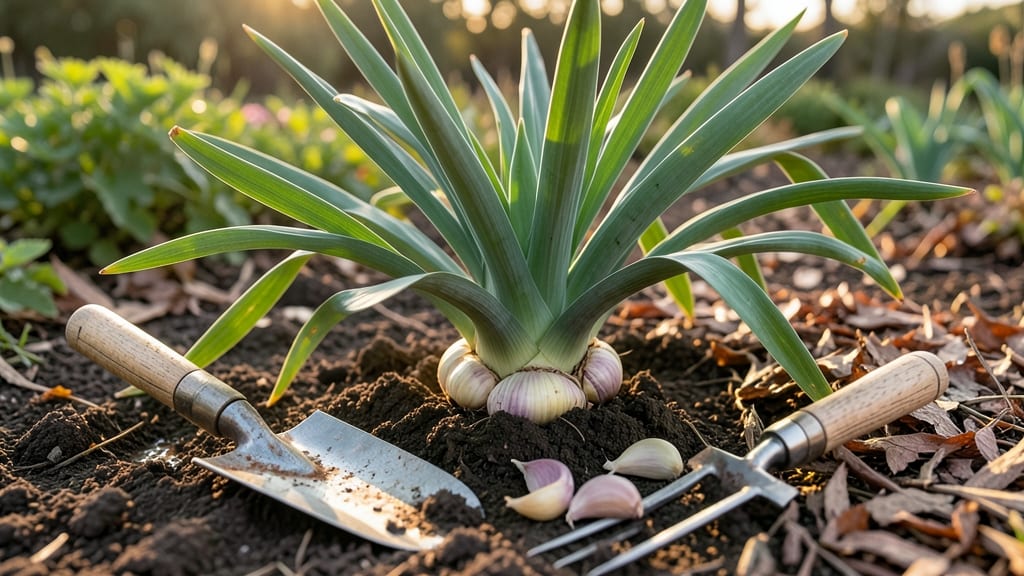
Knowing when to plant garlic in Zone 5a could be the difference between a thriving crop of plump bulbs and a disappointing flop. This hardy plant thrives when planted in the fall, but timing is everything—especially in Zone 5a, where winters can be harsh and unpredictable.
For gardeners in the Northern Midwest or Northeast, the ideal window is between October and November, giving cloves time to root before the ground freezes. But here’s the catch: hardneck and softneck varieties have slightly different needs, and getting it wrong can mean wasted effort or even rot.
I’ll break down the exact timing for each type, including soil temperature tips and frost considerations, so you can plant with confidence. Whether you’re a first-timer or a seasoned grower, these secrets will help you maximize your harvest next summer.
Ready to grow bigger, stronger garlic? Let’s dive into the best planting strategies for Zone 5a’s short but sweet growing season.
Optimal planting windows for hardneck vs softneck garlic in Zone 5A
Zone 5A gardeners face a critical decision: when to plant garlic for maximum bulb size and flavor. Unlike warmer climates, our short growing season demands precision.
The ideal window spans mid-October through November, but hardneck and softneck varieties have slightly different needs due to their cold-hardiness and bulb development cycles.
Hardneck garlic thrives in Zone 5A's cold winters, needing 4-6 weeks before ground freeze to establish roots. Softneck varieties, while more cold-tolerant, benefit from slightly earlier planting to compensate for their slower bulb formation. Both types require soil temperatures between 40°F-50°F at planting depth (4-6 inches) for optimal root growth.
Why timing matters: Plant too early, and cloves may sprout prematurely; too late, and bulbs won't mature fully before summer heat. In Zone 5A, where last frosts typically occur by mid-November, your planting window closes faster than in southern zones.
| Variety | Best Planting Window | Soil Temp Requirement | Days to Maturity | Zone 5A Notes |
|---|---|---|---|---|
| Hardneck | Mid-October - Early November | 40°F-50°F | 240-300 days | Best for cold winters; produces scapes |
| Softneck | Late September - Mid-October | 45°F-55°F | 270-300 days | More cold-hardy; stores longer |
For hardneck varieties like Rocambole or Purple Stripe, aim for planting by October 15th in most of Zone 5A. These varieties need cold vernalization to form bulbs, making them ideal for our climate.
Popular choices like German White or Music will reward you with larger bulbs and delicious scapes if planted in this window.
Softneck garlic, such as Artichoke or Silverskin, can handle slightly earlier planting. These types store better long-term but require consistent moisture during their slower bulb development. In northern Zone 5A (e.g., Minnesota), push planting to late October to avoid winter kill.
Pro tip: Use a soil thermometer to verify temperatures. If your soil stays above 50°F at planting depth, wait 1-2 weeks. The goal is root establishment before dormancy, not immediate shoot growth.
I've learned this the hard way—planting too early in September leads to weak, spindly plants that struggle through winter.
Remember that Zone 5A's microclimates vary. Urban areas may experience heat islands that delay frost, while rural spots can freeze earlier. Always check your local USDA frost dates and adjust by 2-3 weeks for safety.
For example, Chicago's last frost is typically mid-November, while Duluth's comes by early November.
After planting, apply 4-6 inches of mulch (straw or leaves) to insulate bulbs through winter. This protects against temperature swings that can cause heaving. I've seen garlic planted without mulch in -10°F winters survive, but the bulbs were smaller and uneven.
One common mistake is assuming all garlic is the same. Hardnecks need more cold exposure for bulb formation, while softnecks tolerate milder winters. In Zone 5A, I recommend growing both types—hardnecks for fresh eating and scapes, softnecks for storage.
This gives you harvest flexibility from July through August.
How to adjust planting time based on your Zone 5A microclimate
Zone 5A’s variable microclimates—think urban heat islands, high-altitude chill, or rural wind exposure—can shift your garlic planting window by weeks. If you’re in a city like Chicago, pavement and buildings trap heat, pushing your ideal planting to early October.
Meanwhile, rural areas with colder nights may need garlic in the ground by late September.
High-altitude gardens (over 2,000 feet) face earlier frosts, so aim for mid-September planting. Use your last frost date as a guide: plant 4–6 weeks before the ground freezes. For example, if frost hits November 15, plant by October 1.
Urban gardeners with limited space can extend the season with cold frames or row covers. These tools add 2–4 weeks of protection, letting you plant as late as early November in sheltered spots. Just remove covers in spring to avoid overheating.
🌱
⚠️ Watch for These Microclimate Pitfalls
Urban areas: Concrete absorbs heat—plant 2 weeks earlier than rural zones to avoid premature sprouting before winter.
Wind-exposed sites: Use windbreaks (like straw bales) to prevent soil drying and clove desiccation.
High-altitude gardens: Soil freezes faster—plant hardneck varieties (they handle cold better) and mulch heavily.
For container gardening in Zone 5A, choose dwarf varieties like ‘Silverskin’ and plant in deep pots (12+ inches). Containers warm up faster in spring, so delay planting until late October to sync with outdoor timelines.
Use black plastic pots to absorb heat and extend the season by 1–2 weeks.
If you’re unsure about your local microclimate, test your soil temperature with a thermometer. Garlic thrives when soil hits 40–50°F—plant when temps stabilize in this range for 10+ days. Pro tip: Morning soil temps are more reliable than afternoon spikes.
Adjusting for your microclimate isn’t just about timing—it’s about protecting your investment. A well-timed, sheltered planting in Zone 5A can yield larger bulbs and fewer losses to frost or rot. Start with small batches, experiment with mulch types (straw vs. leaves), and track what works best in your yard.
☀️