
Plants
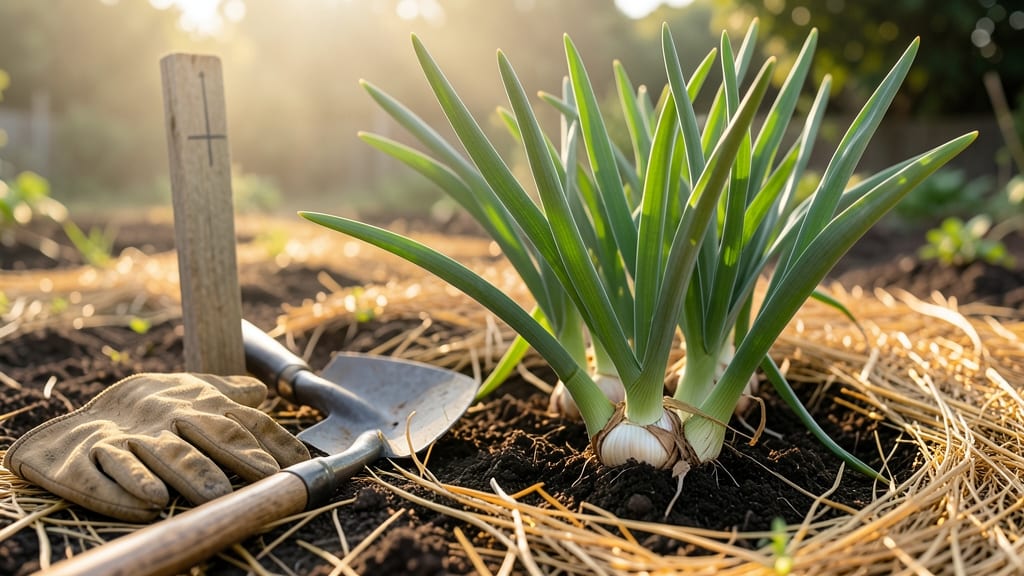
If you're growing garlic in Zone 4, timing your fall planting could mean the difference between a bumper crop and a total flop.
The key to success lies in those crisp autumn weeks when soil temperatures drop just right—too early, and your cloves might sprout prematurely; too late, and winter frost could stunt their growth.
For gardeners in Zone 4a-4b, mid-to-late October is your sweet spot, but don't stress if the weather throws you a curveball. I'll walk you through how to adjust for early freezes or unseasonably warm spells, so you can plant with confidence.
With the right preparation, you'll be harvesting plump, flavorful bulbs by next summer.
Beyond timing, we'll cover soil prep, spacing, and even companion planting to maximize your harvest. Whether you're a seasoned gardener or just starting with 🧄, these tips will help you avoid common pitfalls. Let's get your garlic off to the best possible start.
Ready to dig in? By the end of this guide, you'll know exactly when to plant, how to protect your crop from winter's worst, and what to expect once those green shoots emerge in spring. Your future meals—and your taste buds—will thank you.
Optimal fall planting window for Zone 4 garlic (with exact dates)
In Zone 4, the 6-8 week rule before ground freeze is your golden window for planting hardneck garlic. This typically lands between mid-October and early November, giving cloves time to establish roots before winter sets in.
For Zone 4a (colder microclimates), aim for the earlier end of this range, while Zone 4b gardeners can stretch into early November.
Soil temperature is the real secret sauce—40-50°F is ideal for root development without encouraging early sprouting. Use a soil thermometer to check; if temperatures dip below 32°F, cover your bed with straw mulch (3-4 inches thick) to insulate the soil.
This buffer zone prevents frost from penetrating too deeply and damaging young roots.
Let's break down the exact planting timeline based on your first expected frost date. Most Zone 4 regions see their first frost around October 1st, but this varies by 1-2 weeks depending on elevation and local weather patterns.
For example, if your frost date is October 15th, plant between September 1st-15th to allow adequate root establishment.
| Frost Timeline | Planting Window | Soil Temp Goal | Zone 4a Adjustment | Zone 4b Adjustment |
|---|---|---|---|---|
| Oct 1 (Early Frost) | Sep 15 - Oct 1 | 40-50°F | Plant by Sep 15 | Can extend to Oct 5 |
| Oct 15 (Standard Frost) | Sep 1 - Sep 25 | 40-50°F | Plant by Sep 15 | Can extend to Oct 10 |
| Nov 1 (Late Frost) | Oct 1 - Oct 25 | 45-50°F | Plant by Oct 15 | Can extend to Nov 1 |
For gardeners in northern Zone 4 (like Minnesota or Upstate New York), where winters are harsher, I recommend planting on the earlier side of the window. These regions often experience longer cold snaps, so giving your garlic extra time to root is critical.
In contrast, southern Zone 4 areas (like parts of Ohio or Pennsylvania) can sometimes push planting into early November, especially if mild spells linger.
One common mistake I see is planting too close to frost dates. If you wait until November 1st in most of Zone 4, your cloves may not have enough time to establish roots before the ground freezes solid.
This leads to poor bulb development or even complete crop failure. The 6-week rule exists for a reason—it balances root growth with winter hardiness.
If you're unsure about your local frost dates, check the USDA Plant Hardiness Zone Map and cross-reference with your county's historical frost records. Many local agricultural extensions offer free frost date guides tailored to your region.
For example, in Zone 4a, the average first frost is October 1st, while Zone 4b might see it around October 15th. Adjust accordingly!
Once you've nailed down your planting window, focus on soil preparation. Garlic thrives in well-draining, slightly acidic soil (pH 6.0-7.0). Work in compost or aged manure 2-3 weeks before planting to give roots a nutrient boost.
Avoid fresh manure, which can burn tender cloves. If your soil is heavy clay, consider amending with sand or perlite to improve drainage.
After planting, mulching is non-negotiable in Zone 4. A 4-inch layer of straw or leaves will protect your garlic from freeze-thaw cycles and insulate the soil. Remove the mulch in early spring (around March-April) to allow the soil to warm and encourage regrowth.
This simple step can mean the difference between a mediocre harvest and a bountiful one.
Finally, remember that hardneck varieties are your best bet for Zone 4—they're bred to withstand harsh winters and produce robust bulbs. Softneck varieties, while tasty, often struggle in colder climates.
Stick with proven performers like 'German White', 'Music', or 'Silverskin' for reliable results. With the right timing and care, you'll be harvesting plump, flavorful garlic by next summer!
Optimal fall planting window for Zone 4 garlic (with exact dates)
In Zone 4, the ideal garlic planting window is a narrow but critical 6-8 week stretch before the ground freezes. For most of the region, this lands in mid-October to early November.
The goal is to let cloves establish roots before winter dormancy, but avoid encouraging early spring growth that could get nipped by frost.
Soil temperature is your best guide—aim to plant when it consistently hovers between 40°F and 50°F. This gives roots time to develop without triggering premature sprouting. In northern Zone 4a, where winters are colder, shift planting to late September to mid-October.
Use this summary table to pinpoint your exact planting window based on your local first frost date:
| Zone 4 Subregion | First Frost Date | Planting Window | Soil Temp Goal |
|---|---|---|---|
| Zone 4a (Coldest) | October 1-15 | Late September - October 10 | 40°F-50°F |
| Zone 4b (Moderate) | October 15-31 | Mid-October - November 1 | 45°F-55°F |
| Southern Zone 4 | November 1-15 | Early November | 50°F-60°F |
Pro tip: Check your local USDA Plant Hardiness Zone map for precise adjustments. If you're near a lake or in a microclimate, you might extend planting by 1-2 weeks—just monitor soil temps with a thermometer.
For hardneck varieties (the best choice for Zone 4), plant 4-6 weeks before ground freezes. This timing ensures roots establish while shoots remain dormant until spring. Miss this window, and you risk small bulbs or poor flavor.
After planting, protect your garlic with 4-6 inches of mulch (straw or leaves work best) to insulate bulbs through winter. This simple step can mean the difference between a thriving crop and a frost-damaged failure.
Remember: No spring planting in Zone 4! The cold stratification garlic needs for bulb formation won't happen in time for a summer harvest. Stick to fall, and you'll reward yourself with bold, hardy bulbs by next summer.