
Companion Plants
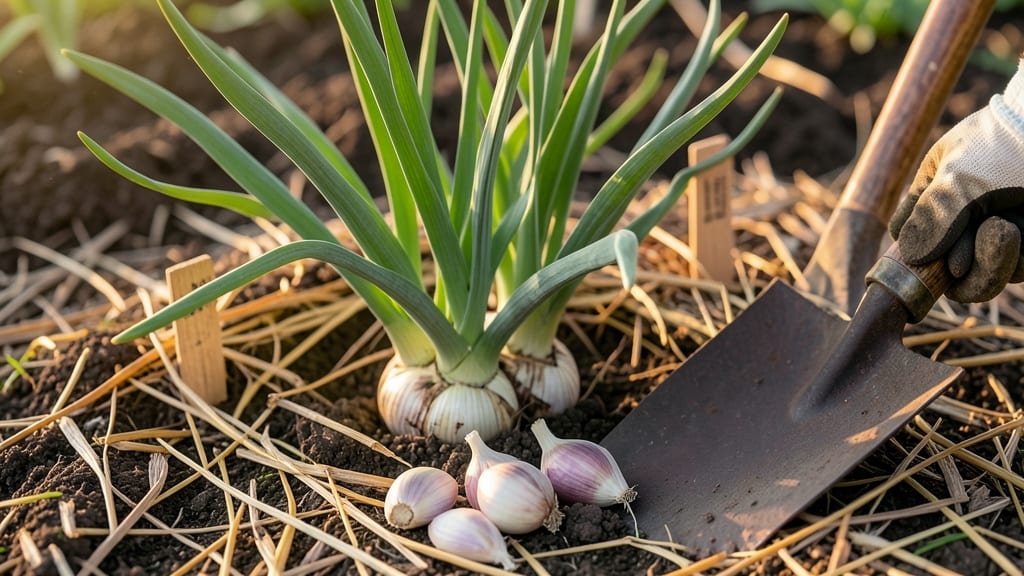
Timing your 🧄 garlic planting in Western Pennsylvania right means the difference between a thriving crop and a frost-killed flop—especially in Zone 6a where winters can be finicky.
The key isn’t just planting in fall (though that’s non-negotiable), but nailing the 4-6 week window before the ground freezes—usually between mid-October and late November.
Here’s the secret: soil temperature matters more than calendar dates. Aim for 40-50°F before planting, and you’ll give your garlic the best shot at developing strong roots before winter sets in.
Too early, and your cloves might sprout and get fried by an early frost; too late, and they won’t have enough time to establish before the ground hardens.
What makes Western PA tricky is the mix of urban heat islands (like Pittsburgh) and rural cold snaps near Erie. I’ll show you how to adjust for your specific microclimate—whether that means mulching early, using row covers, or even tweaking your planting date by a week or two.
No more guessing games.
Ready to turn your fall planting into next summer’s golden garlic harvest? Let’s break down the exact steps to make it happen—so you’re not left with shriveled cloves come June.
Ideal fall planting window for Western PA garlic (with frost-date map)
Western PA’s USDA Zone 6a climate demands precision when planting garlic—aim for October through mid-November to ensure bulbs establish roots before winter. The key is planting 4-6 weeks before the first hard frost, typically around mid-October in most regions.
This timing lets garlic develop a strong root system before soil temperatures drop below 40°F, which halts growth.
Garlic thrives when soil temperatures hover between 40-50°F at planting time. Use a soil thermometer to confirm—if temps dip below 32°F, roots may freeze. In Western PA, this usually occurs by late November, so don’t wait too long!
Hardneck varieties, like ‘German White’ or ‘Music’, are ideal for our climate and produce scapes in summer.
For the most accurate timing, check your local frost-free date. In Pittsburgh, the average first frost is October 15th, while Erie’s is October 20th. Rural areas may frost earlier—always adjust by 1-2 weeks if you’re in a colder microclimate.
Planting too early (like in September) risks softneck garlic developing too quickly, reducing bulb size.
Here’s the golden rule: Plant garlic when soil is 50°F but air temps are still above 40°F. This balance ensures roots grow without top growth, which can’t survive winter. Use cloves from last year’s harvest—they’re hardier than store-bought garlic, which often sprouts poorly.
| Planting Stage | Action | Western PA Timeline |
|---|---|---|
| Soil Prep | Test pH (6.0-7.0), amend with compost | Late August - Early September |
| Planting Window | Plant cloves 2" deep, 6" apart | October 1 - November 15 |
| Frost Protection | Mulch with 4-6" straw after planting | November 1 - December 1 |
| Winter Care | Monitor snow cover; add mulch if bare soil | December - March |
| Spring Growth | Remove mulch when shoots emerge (~April) | April 1 - April 15 |
If you miss the ideal window, you can plant garlic in early December, but bulbs will be smaller. The last safe date is when soil temps hit 32°F—after that, cloves won’t root.
For a second harvest, try planting softneck varieties like ‘Silverskin’ in late September; they mature faster but are less cold-hardy.
In Western PA, hardneck garlic is the star—it survives winters with -20°F temps and produces scape shoots in June. To maximize yields, choose large, plump cloves from the outer bulb (they grow the biggest).
Plant the pointy end up, about 2 inches deep, in well-draining soil with compost mixed in.
After planting, water deeply to settle soil around cloves. Then, stop watering until spring—garlic needs dormancy to form bulbs. In Pittsburgh’s urban areas, where soil warms faster, you might plant 1-2 weeks later than rural zones.
Always check for well-draining soil; soggy spots lead to rot, especially in Western PA’s clay-heavy soils.
Mark your calendar for April 1st—that’s when garlic should sprout. If it doesn’t by mid-April, the cloves may have rotted over winter. In Erie’s cooler climate, sprouts might not appear until May. Once shoots emerge, add 2 inches of mulch to retain moisture and suppress weeds.
For a visual guide, watch for green shoots breaking soil—this confirms successful planting. If your garlic bolts (sends up a tall stalk) too early, it’s a sign of poor fall planting timing or warm winter soils.
In Western PA, this rarely happens with proper fall planting, but it’s worth noting for softneck varieties planted late.
Ideal fall planting window for Western PA garlic (with frost-date map)
Western PA’s USDA Zone 5-6 climate demands precise timing for garlic planting—aim for 4-6 weeks before the first hard frost, typically mid-October to early November. This window ensures bulbs establish roots before winter dormancy. Soil temperatures should hover between 40-50°F for optimal root growth before freezing.
Hardneck varieties like 'German White' and 'Music' thrive in PA’s winters, but timing varies by microclimate. Urban areas like Pittsburgh may experience earlier frosts than rural zones, requiring adjustments. Check your local average first frost date (usually mid-October) and plant accordingly.
Pro Tip: Use a soil thermometer to confirm temperatures—garlic roots need 30-40°F soil to harden off before winter. If soil stays too warm, bulbs may rot before dormancy.
| Stage | Action | Western PA Timeline |
|---|---|---|
| Soil Prep | Test pH (6.0-7.0), amend with compost | August-September |
| Planting Window | 4-6 weeks before frost | October 15-November 10 |
| Mulching | Apply 2-3" straw after planting | November |
| Winter Care | Monitor snow cover, add mulch if bare | December-April |
| Harvest Ready | Lower leaves brown, tops dry | Late June-July |
For Pittsburgh (Zone 6a), target October 20-November 1—earlier than Erie’s Zone 5b (aim for October 10-25). Rural areas with faster-draining soil can plant slightly later, while urban gardens may need to start 2 weeks earlier due to heat retention.
Missed the window? December planting is possible if soil isn’t frozen, but bulbs will be smaller. Use row covers to insulate young plants during early winter thaws.
Always plant cloves pointy-end up, 2" deep, and 4-6" apart—this spacing prevents rot and maximizes bulb size. Mulch heavily after planting to protect from freeze-thaw cycles.