
Trees
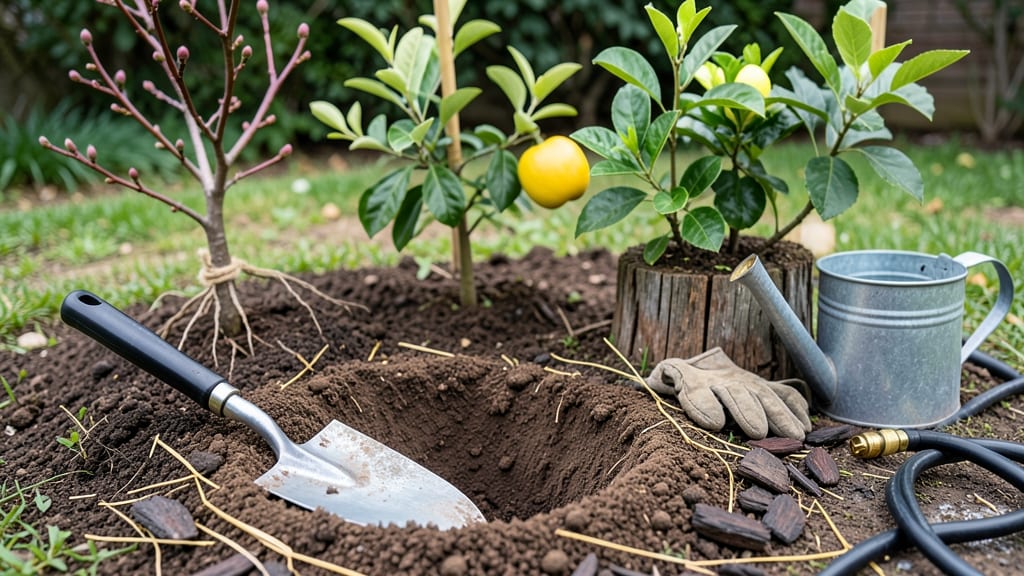
Knowing when to plant fruit trees in South Carolina can mean the difference between a bountiful harvest and years of frustration. With the right timing, you can grow everything from sweet peaches to tangy citrus—right in your backyard.
But here’s the catch: SC’s mild winters mean chill-hour needs vary wildly by variety, and planting too early or late can spell disaster for your 🍎.
The best window for most fruit trees in SC is late winter to early spring, but low-chill varieties like citrus and figs can go in almost year-round. High-chill apples and pears, on the other hand, need careful timing to break dormancy properly.
I’ll break down the exact months for each type, plus pro tips for adjusting to your specific zone—whether you’re in humid Charleston or the cooler Piedmont.
Why does this matter? Because planting at the wrong time can stress your tree, inviting pests or disease before it even gets established. We’ll cover soil prep, spacing, and post-planting care tailored to SC’s climate, so you can skip the guesswork and start harvesting sooner.
Let’s get your fruit trees off to the right start.
Ready to turn your yard into a fruit orchard? The key is understanding your tree’s chill needs and matching them to SC’s unpredictable weather. I’ll show you how to pick the perfect planting window for your variety—so you can enjoy homegrown peaches by summer or oranges year-round. Let’s dive in.
Best planting months for South Carolina fruit trees by chill-hour needs
South Carolina’s mild winters and long growing season create unique opportunities for planting fruit trees—but getting the timing right is critical. Unlike northern climates, where dormant season planting dominates, SC gardeners must account for chill-hour requirements and frost-free windows.
Most varieties thrive when planted in late winter to early spring (February-March) or fall (October-November), but exceptions exist for low-chill varieties that tolerate SC’s warm winters.
Your USDA Zone (7b-9a) dictates your frost dates: Zone 7b sees its last frost around March 15, while Zone 9a rarely drops below freezing after February 15.
This means high-chill varieties (like apples or pears) need careful timing to avoid premature bud break from warm spells, while low-chill citrus can be planted almost year-round.
Here’s how to match your fruit tree variety to SC’s planting windows based on chill-hour needs:
For low-chill varieties like Seminole peaches or Meyer lemons, you can plant anytime except during freezing temperatures or peak summer heat. These trees thrive in SC’s Zone 8a-9a and often bloom and fruit without winter dormancy.
I’ve planted Tropic Sweet oranges in November with no issues—they establish quickly in SC’s warm soil.
If you’re growing partial-chill varieties (like Elberta peaches or Santa Rosa plums), aim for February-March planting. This gives roots time to establish before spring bud break.
In Zone 7b, where winters are slightly cooler, a fall planting in November can also work if you protect young trees with mulch or burlap wraps.
High-chill varieties are the trickiest in SC. Traditional apples or pears need 800+ chill hours, but most of SC only gets 300-600 hours. To grow these, plant bare-root trees in December-February when they’re dormant, and choose northern-facing microclimates near lakes or hills where cold air pools.
I’ve had success with ‘Akane’ apples in Zone 7b by planting them in January and using chill-hour supplementation (like artificial cold chambers for young trees).
One common mistake SC gardeners make is planting bare-root trees too early in January when soil is still cold. Wait until soil temperatures rise above 50°F (usually mid-February) to avoid root rot.
For container-grown trees, you have more flexibility—plant them in fall or spring as long as you water deeply afterward to reduce transplant shock.
Pro tip: Test your local chill hours using a home weather station or check SC State Climate Office data. If you’re in Zone 9a and want to grow apples, consider ‘Dorsett Golden’ (a low-chill variety) or use chill-hour banking techniques like delayed planting until late winter.
Remember, soil prep matters just as much as timing. Amend your soil with compost and organic matter to improve drainage—SC’s clay-heavy soils can suffocate young roots. After planting, mulch with pine straw or wood chips to retain moisture and regulate soil temperature.
Best planting months for South Carolina fruit trees by chill-hour needs
South Carolina’s mild winters and humid summers create unique challenges for fruit tree planting. Unlike northern climates, chill-hour requirements dictate your planting window more than frost dates. Low-chill varieties thrive year-round, while high-chill trees need precise timing to avoid poor fruit set.
For bare-root trees, I recommend planting in late winter to early spring (February-March) when roots are dormant but soil is workable. Container-grown trees offer more flexibility—plant them year-round except during extreme heat or cold.
Fall planting (October-November) is ideal for most varieties, giving roots time to establish before spring growth. This aligns with SC’s USDA zones 7b-9a, where last frost dates range from mid-February to mid-March.
| Variety Type | Chill-Hour Range | Best Planting Window | SC Zone Fit |
|---|---|---|---|
| Low-Chill (<300 hrs) | 0-300 hrs | Year-round (avoid frost) | Zones 8a-9a |
| Partial-Chill (300-600 hrs) | 300-600 hrs | Fall (Oct-Nov) or Spring (Feb-Mar) | Zones 7b-8b |
| High-Chill (>600 hrs) | 600+ hrs | Late Winter (Jan-Feb) | Zone 7b only |
In Zone 9a, citrus and figs thrive with 0-200 chill hours, while peaches like 'Seminole' (300-400 hrs) work in warmer microclimates. For Zone 7b, partial-chill varieties like 'Redhaven' peaches (500-600 hrs) need precise timing to avoid poor blooming.
Always check your tree’s specific chill-hour needs—some varieties like 'Elberta' peaches (800+ hrs) struggle in SC’s mild winters. If planting high-chill trees, consider delayed dormancy sprays or microclimate selection near heat-retaining walls.
For container-grown trees, spring planting (March-April) gives roots time to establish before summer heat. Mulch heavily to retain moisture—SC’s humid summers can stress young trees if roots dry out.