
Flowers
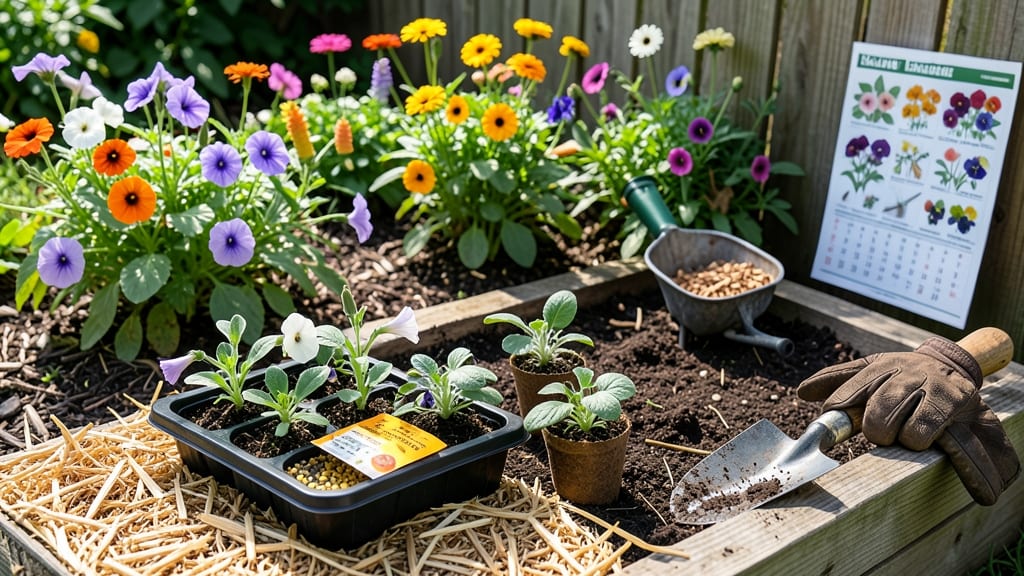
When to plant flowers in Delaware just right can turn your garden into a year-round masterpiece—or leave you with wilted dreams. With USDA Zones 7a-7b and that perfect mix of coastal breezes and inland warmth, knowing when to plant makes all the difference.
Spring is your golden window, but even then, rushing too early risks frost damage to your 🌸 favorites like petunias and pansies. Meanwhile, fall planting lets you sneak in late-season bloomers before winter sets in. Let’s break down the exact frost-free timeline so you never miss a beat.
Whether you’re filling raised beds or containers, I’ll show you how to adjust for Delaware’s microclimates—from Wilmington’s coastal chill to Dover’s inland heat. You’ll learn which flowers thrive in each season and how to protect them from unexpected freezes.
Ready to transform your garden? By the end, you’ll know exactly when to plant, what to watch for, and how to keep your flowers blooming longer. Let’s get growing!
Delaware’s frost-free dates by zone 6b-7a: when to plant annuals vs perennials
Delaware’s USDA Zones 6b-7a offer gardeners a 190-day frost-free window, but the exact timing varies between coastal areas (like Wilmington) and inland regions (like Dover). For most of Delaware, the last spring frost typically arrives around April 15, while the first fall frost hits about November 1.
These dates are your gardening compass—plant too early, and frost will nip your blooms; wait too long, and you’ll miss peak flowering seasons.
Annuals and perennials have different planting windows. Cool-season annuals like pansies and snapdragons can handle light frosts, so I plant them as early as late February to early March.
Meanwhile, warm-season favorites such as petunias and marigolds need to wait until after the last frost, usually mid-to-late April. Perennials, like black-eyed Susans and coneflowers, are hardier and can be planted in early spring or fall, but timing matters for their first-year establishment.
🌱 Pro Tip: Use row covers or cold frames to extend your planting season by 2-4 weeks in early spring or late fall. This is especially useful for heat-sensitive annuals like cosmos or cold-tolerant perennials like asters.
🌸 Delaware Flower Planting Timeline by Type
| Plant Type | Best Planting Window | Notes |
|---|---|---|
| Cool-Season Annuals | Late February – Early April | Pansies, snapdragons, sweet peas |
| Warm-Season Annuals | Mid-April – Early June | Petunias, marigolds, zinnias |
| Perennials (Spring) | Early March – Mid-April | Coneflowers, black-eyed Susans, daylilies |
| Perennials (Fall) | Late August – Early October | Peonies, hostas, Russian sage |
| Bulbs (Spring Blooms) | October – November (for spring flowers) | Tulips, daffodils, hyacinths |
For container gardening, you can push boundaries slightly. Pots warm up faster than garden beds, so I often plant warm-season annuals in containers 2-3 weeks earlier than in the ground. Just ensure your containers have drainage holes and use lightweight potting mix to prevent overheating.
Delaware’s humid summers can stress flowers, so I prioritize heat-tolerant varieties like lantana or portulaca for late-summer planting. These thrive in full sun and dry conditions, making them perfect for June and July additions to your garden.
If you’re unsure about your local frost dates, check the Delaware Department of Agriculture or use a frost calendar app like PlantMap. These tools provide real-time updates based on your exact location, helping you avoid costly mistakes.
For example, New Castle County might have a later frost than Sussex County, so adjust accordingly.
For perennials, fall planting is ideal because it gives roots time to establish before winter. I often plant new perennials in September to ensure they’re settled by first frost. This strategy reduces transplant shock and leads to healthier, more vigorous plants the following spring.
Don’t forget about succession planting! By staggering your plantings every 2-3 weeks, you’ll enjoy continuous blooms from spring through fall. For instance, plant cosmos in May for summer flowers, then add zinnias in June for a late-summer burst of color.
🌿 Key Takeaway: Delaware’s frost-free window is your best friend—use it wisely! Plant cool-season flowers early, warm-season varieties after frost, and perennials in fall for a garden that blooms all season long.
How to adjust planting for Delaware’s microclimates: coastal vs inland differences
Delaware’s diverse geography—from the Atlantic coastline to inland valleys—creates distinct microclimates that can shift frost-free dates by weeks. Coastal areas like Rehoboth Beach often enjoy warmer springs and cooler summers compared to inland spots like Dover or Wilmington.
These differences matter when choosing heat-tolerant varieties or extending your planting season with row covers.
Coastal regions typically experience later last frosts (April 20–25) due to ocean moderation, while inland zones may see frost as early as April 10. Conversely, inland areas can retain heat longer in fall, allowing for later fall plantings (October 15–30) compared to coastal zones (October 1–15).
Understanding these shifts helps you pick the right flowers for your location, like petunias for inland heat or pansies for coastal coolness.
🌱 Coastal Delaware (e.g., Lewes, Cape Henlopen):
- Last frost: April 20–25
- First frost: October 15–20
- Best for: Cool-season annuals (pansies, snapdragons), shade-tolerant perennials (hostas, astilbes)
- Challenges: Salty air, sandy soil, wind exposure
🌿 Inland Delaware (e.g., Dover, Newark):
- Last frost: April 10–15
- First frost: October 25–30
- Best for: Heat-loving annuals (marigolds, zinnias), drought-tolerant perennials (black-eyed Susans, coneflowers)
- Challenges: Hotter summers, heavier clay soil
| Factor | Coastal Delaware | Inland Delaware |
|---|---|---|
| Last Frost Date | April 20–25 | April 10–15 |
| First Frost Date | October 15–20 | October 25–30 |
| Spring Planting Window | April 25–May 15 | April 15–May 10 |
| Fall Planting Window | September 1–October 15 | September 15–October 30 |
| Heat-Tolerant Picks | Cosmos, Zinnias | Lantana, Portulaca |
| Cool-Season Picks | Pansies, Snapdragons | Sweet Alyssum, Calendula |
To extend your planting season in both regions, use row covers or cold frames to protect tender seedlings. For coastal gardens, windbreaks (like shrub borders) shield delicate blooms, while inland gardeners should focus on mulching to retain moisture during hot, dry spells.
Native Delaware flowers like wild columbine or black-eyed Susans adapt well to local conditions, reducing the need for microclimate adjustments.
Pro tip: Check your local weather station (e.g., Delaware Environmental Observing System) for real-time frost alerts. Inland areas may experience unpredictable late frosts, so keep frost cloth handy for warm-season annuals like tomatoes or peppers planted near flower beds.
For container gardening, coastal gardeners can start warm-season flowers (e.g., geraniums) indoors by March 1, while inland gardeners might wait until March 15. Container soil warms faster, so adjust planting dates accordingly—especially for heat-sensitive varieties like impatiens.
🌸