
Plants
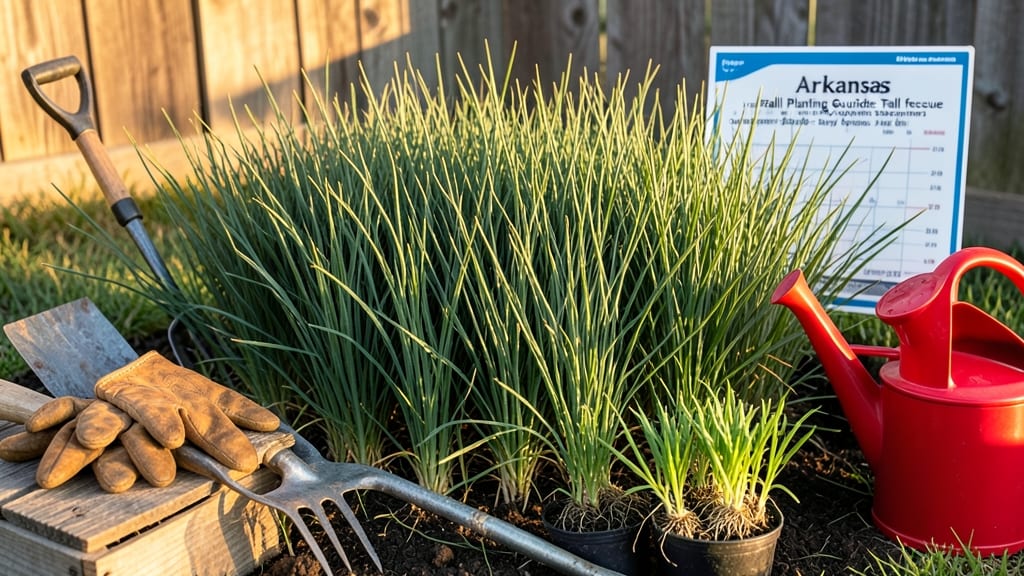
Timing your fescue planting in Arkansas can mean the difference between a lush, green lawn and struggling seedlings. The key? Planting when soil temperatures cool but before frost hits—typically between August and October.
Arkansas’s 7a-8b climate creates a narrow window where 🌱 fescue thrives. Too early, and summer heat stresses young roots; too late, and winter frost can kill them before they establish. Getting it right ensures your grass develops deep roots before dormancy.
I’ll break down the best months for planting, soil prep tips, and how to adjust for Arkansas’s humidity and frost risks. Whether you’re seeding or laying sod, these strategies will help you plant with confidence.
Ready to transform your lawn? Let’s dive into the optimal planting schedule and care routine for a resilient fescue lawn that lasts through Arkansas winters.
Best months to plant fescue in Arkansas for optimal root development
Arkansas’s USDA zones 7a-8b create a 6-8 week window for planting 🌱 fescue—the difference between a thriving lawn and wasted effort. The ideal planting window spans from late August through October, with September being the sweet spot for most regions.
This timing ensures your grass establishes deep roots before frost while avoiding summer’s scorching heat.
In northern Arkansas (zone 7a), aim for September 1st to October 15th—earlier to beat the first frost, which typically arrives around November 15th. Southern Arkansas (zone 8b) has slightly more flexibility, with late August to early November being safe.
The goal? Plant when daytime temps drop to 75-80°F and nighttime temps stay above 50°F.
Early fall planting gives fescue 4-6 weeks of growth before dormancy. This means stronger roots, better drought resistance, and a head start for spring green-up. If you miss this window, consider early spring planting (March-April), but be prepared for faster soil warming that can dry out seedlings.
Here’s the critical window broken down by Arkansas region:
| Region | USDA Zone | Best Planting Window | Soil Temp Ideal | Frost Risk |
|---|---|---|---|---|
| North Arkansas | 7a | September 1 - October 15 | 60-75°F | High (Nov 15) |
| Central Arkansas | 7b | September 15 - October 30 | 65-78°F | Moderate (Nov 1) |
| South Arkansas | 8a-8b | August 20 - November 10 | 70-80°F | Low (Nov 20) |
Soil temperature is your secret weapon for success. Use a soil thermometer to check depths of 2-4 inches—ideal temps for fescue germination are 60-75°F. If temps exceed 80°F, seedlings struggle to establish, leading to patchy growth.
In Arkansas’s heat, planting in late August can be risky unless you’re in the southernmost zones.
Another critical factor is daylight hours. Fescue thrives with 10-12 hours of daylight, which peaks in late summer. By September, days shorten, signaling the plant to focus on root growth over top growthoutperform spring plantings, which often face drought stress as soil warms.
Pro tip: If you’re planting fescue sod instead of seed, the window is slightly wider—August through November—since sod establishes faster. However, avoid planting sod in extreme heat (above 90°F), as the roots can dry out before they take hold.
For seed, stick to the September-October window for best results.
Microclimates matter in Arkansas. Urban areas like Little Rock or Fayetteville may experience 2-3°F warmer soil temps than rural zones due to concrete and pavement. If your lawn is in a shady microclimate, you can extend planting into early November, as cooler temps slow frost progression.
Always monitor local frost forecasts and adjust your timeline accordingly.
Finally, don’t overlook seed selection. For Arkansas’s climate, choose tall fescue varieties like ‘Kentucky 31’ or ‘Turftype’, which handle humidity and heat better than fine fescue. These varieties also stay green longer into fall, giving you a competitive edge before dormancy sets in.
With the right timing, your fescue will establish deep roots before winter, emerging lush and resilient in spring. Next, we’ll dive into how Arkansas’s humidity and frost risks can derail your
Best months to plant fescue in Arkansas for optimal root development
Arkansas’s USDA zones 7a-8b create a 4-6 week window for planting 🌱 fescue—typically between late August and October. This timing ensures seedlings establish roots before November frost while avoiding summer’s scorching heat.
Early fall (September-October) is ideal because cooler temps and consistent rainfall help roots grow 1-2 inches deep per week.
If you miss the fall window, early spring planting (March-April) is your second chance. However, spring fescue struggles more with Arkansas’s humidity and summer heat, often requiring extra watering. For best results, aim for fall planting—it’s when most Arkansas gardeners see their fescue thrive.
Soil temperatures play a critical role. Fescue germinates best when soil is between 60°F and 75°F. In Arkansas, this usually aligns with late August to early October. Use a soil thermometer to confirm—if temps creep above 80°F, seedlings may bolt or fail to establish.
🌱 Arkansas Fescue Planting Timeline
| Stage | Action | Soil Temp |
|---|---|---|
| Late August | Prepare soil, seed selection | 70-80°F |
| September-October | Plant seed/sod, water deeply | 60-75°F |
| November | Reduce watering, fertilize lightly | Below 60°F |
| March-April | Spring replanting (if needed) | 50-65°F |
📌 Pro Tip: Test soil pH (6.0-7.0 ideal) before planting.
Northern Arkansas (USDA 7a) has a shorter growing season, so plant 4-5 weeks earlier (late August) than southern areas (USDA 8b). In the Arkansas River Valley, you can extend planting into early October, but avoid sowing after mid-October—seedlings won’t establish before frost.
For sod vs. seed, timing shifts slightly. Sod establishes faster (2-3 weeks vs. 4-6 for seed), so you can plant 1-2 weeks later in fall. However, seed offers more flexibility for patch repairs in spring. Choose based on your timeline and budget.
Remember: Fescue’s root depth determines winter survival. Plant in well-draining soil with 2-3 inches of compost to encourage deep roots. With the right timing, your lawn will be frost-resistant by December and ready to green up in spring.