
Plants
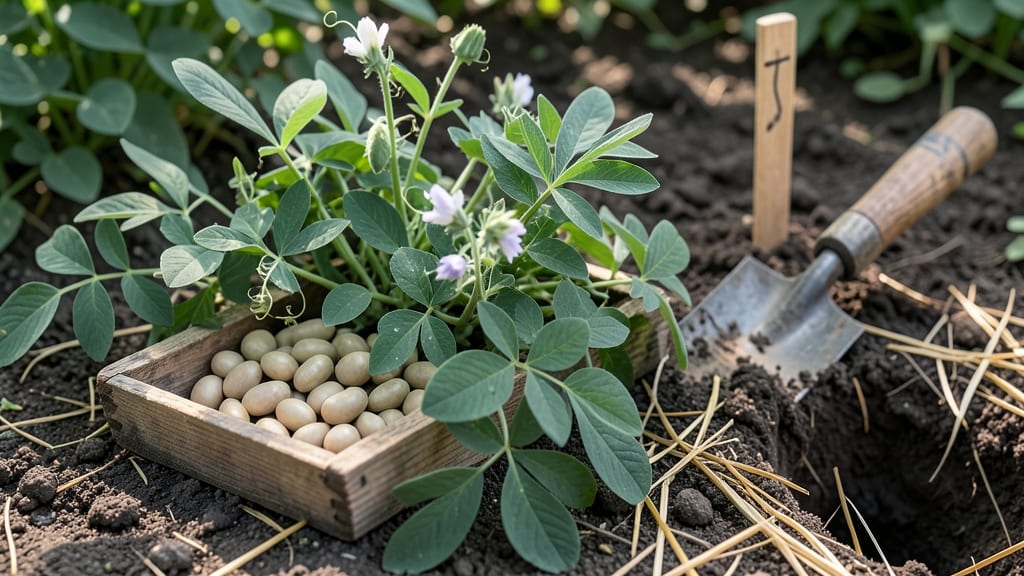
Timing your fava bean planting in Zone 8 can make or break your harvest—get it wrong, and you’ll end up with bitter, bolted pods instead of sweet, tender 🌱 treats. These cool-weather lovers demand precision, especially in our mild but tricky climate where warm snaps sneak in early.
Most gardeners in Zone 8 swear by two planting windows: late winter (February-March) for spring harvests or fall (September-October) for winter crops. But here’s the catch—plant too early, and heat stress triggers bolting; too late, and frost cuts your season short.
I’ll break down the exact dates and temperature cues to nail that sweet spot.
You’ll also discover how to stretch your growing window with shade cloth, companion plants, and variety selection—because even in Zone 8, not all fava beans play nice with our unpredictable weather. Let’s turn your garden into a fava bean success story.
The key? Understanding your microclimate and adjusting planting dates by just a few weeks can mean the difference between a flavorful harvest and a wasted effort. Ready to grow fava beans like a pro?
Optimal planting timeline for fava beans in Zone 8’s cool-season window
Fava beans (Vicia faba) love cool weather but struggle when temperatures climb above 75°F—a common challenge in Zone 8. To avoid bolting (premature flowering) and maximize your harvest, timing is everything.
In Zone 8, you have two prime windows: fall and early spring, each with unique advantages.
Fall planting is often the best strategy for Zone 8 gardeners because it allows fava beans to establish roots before winter’s chill sets in. Seeds sown in late September to early October will sprout, grow slowly through fall, and produce pods in November or December before the first frost.
This method skips the heat stress of summer and gives you an early harvest.
If you prefer spring planting, aim for February to early March, just as daytime temperatures begin to rise but before the soil warms too much. Planting too late in spring risks heat stress, which can cause fava beans to bolt before producing pods.
Always check your local last frost date—Zone 8’s average is around February 15, but microclimates can vary.
Here’s the key: soil temperature matters more than air temperature. Fava beans germinate best when soil is between 50°F and 70°F. In Zone 8, this usually aligns with September-October for fall planting or February-March for spring. Use a soil thermometer to confirm—cool, damp soil is ideal for seed germination.
One mistake I see often is planting fava beans too early in spring. While they tolerate light frosts, cold, wet soil can delay germination or cause rot. If you’re unsure about soil temps, opt for fall planting—it’s the safer bet for Zone 8’s unpredictable winters.
Another pro tip: In coastal Zone 8 areas (like parts of California or the Southeast), summers are milder, so you might extend the window slightly. For inland or desert-adjacent regions, stick strictly to fall or early spring to avoid summer heat.
Now, let’s break down the exact timeline with a quick reference to keep you on track:
| Planting Window | Ideal Soil Temp | Expected Harvest | Zone 8 Notes |
|---|---|---|---|
| Late September - Early October | 50°F - 65°F | November - December | Best for mild winters; avoid late frost risk. |
| February - Early March | 55°F - 70°F | April - May | Risk of bolting if planted too late; monitor heat. |
| Best Overall Choice | Fall (Sept-Oct) | Higher yield, cooler temps | Less bolting risk |
For example, if you’re in San Diego (Zone 8a), you might push fall planting to mid-October thanks to milder winters. But in Austin (Zone 8b), aim for early September to avoid early frosts. Always check your local historical frost dates—they’re your best guide.
One last tip: If you’re experimenting with succession planting, try a small batch in late August for a fall harvest, then another in February for spring. This doubles your chances of success in Zone 8’s variable climate.
Timing isn’t just about the calendar—it’s about soil, temperature, and microclimate. With these guidelines, you’ll avoid the pitfalls of bolting and enjoy a bountiful harvest of sweet, tender fava bean pods.
Optimal planting timeline for fava beans in Zone 8’s cool-season window
Zone 8’s mild winters and warm springs create a narrow but perfect window for growing fava beans. Unlike northern climates, you can plant them in both fall and early spring, but timing is critical to avoid heat-induced bolting—when plants flower too early and produce bitter pods.
Fava beans need cool soil temperatures (50–70°F) to germinate and grow. In Zone 8, this means planting 4–6 weeks before your first frost (typically September–October for fall) or late winter to early spring (February–March) after the ground cools slightly.
Waiting too long risks spring heat stress, which can stunt growth.
Here’s the exact timeline based on Zone 8’s microclimates—adjust 1–2 weeks earlier for inland areas (hotter) or later for coastal regions (cooler).
| Planting Window | Ideal Soil Temp | Key Consideration | Harvest Time |
|---|---|---|---|
| Fall (Zone 8): Late August–October | 50–65°F | Plant 6–8 weeks before first frost (Dec 1). Use shade cloth if temps rise above 75°F. | November–December |
| Spring (Zone 8): February–March | 55–70°F | Aim for soil temps below 70°F to delay bolting. Mulch heavily to keep roots cool. | April–May |
| Avoid Planting: | Above 75°F | Heat stress causes bolting. If temps exceed 80°F, use row covers or wait. | N/A |
For fall planting, start seeds indoors in July or direct-sow in late August to ensure mature plants survive mild Zone 8 winters. In spring, wait until March to avoid early heat—young plants wilt quickly in 80°F+ soil.
Pro tip: Test your soil temperature with a thermometer before planting. If it’s above 70°F, delay by 2 weeks or use shade cloth to buy time. Fava beans are frost-tolerant, so fall-planted crops often outperform spring ones in Zone 8.
Zone 8 gardeners often double-crop fava beans: plant a fall crop for winter harvest and a spring crop for early summer pods. Just remember—timing beats everything when it comes to avoiding bolting.