
Planting
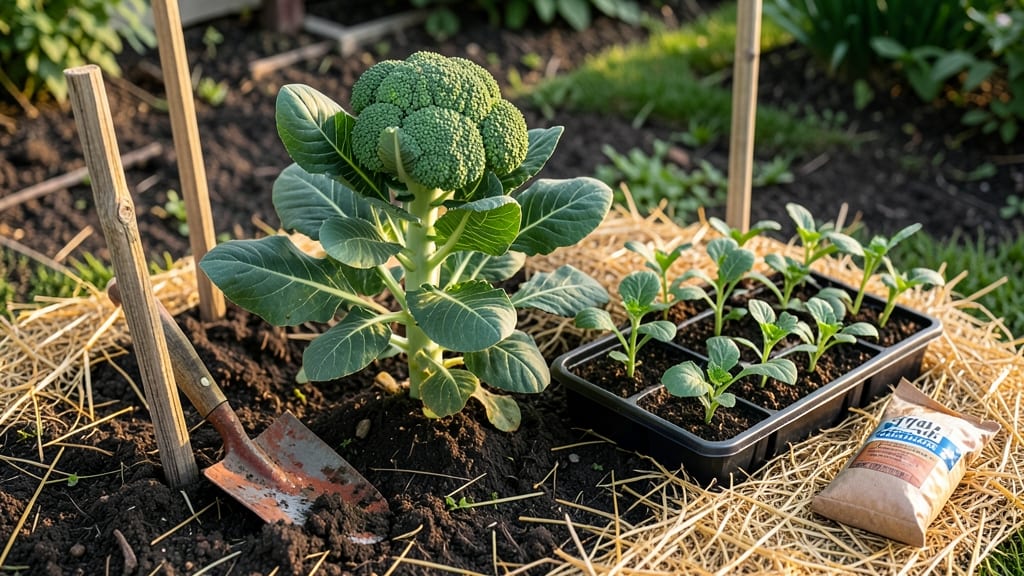
North Carolina fall planting calendar by region: frost dates & soil temperature guidelines
North Carolina’s diverse climate means your fall planting timeline depends heavily on your specific region. Whether you’re in the Coastal Plain, Piedmont, or Mountains, understanding your USDA hardiness zone and average first frost date is critical.
For example, the Coastal Plain (Zone 8a-8b) typically sees its first frost around mid-November, while the Mountains (Zone 6a-7a) can experience frost as early as late October.
These differences dictate when to plant cool-season crops like kale, broccoli, and spinach for optimal harvests before winter sets in.
Soil temperature is another key factor. Most cool-season vegetables thrive when soil temps are between 45°F and 75°F. In NC, this window often opens in mid-August for the Coastal region and as late as early September in the Mountains.
Waiting until your soil reaches these temperatures ensures strong root development and faster germination. Always check with a soil thermometer to avoid planting too early or too late.
Here’s a quick reference for your region’s frost dates and ideal planting windows:
| Region | USDA Zone | Avg. First Frost | Ideal Planting Window | Soil Temp for Planting |
|---|---|---|---|---|
| Coastal Plain | 8a-8b | Mid-November | Mid-August to early October | 50°F–75°F |
| Piedmont | 7a-7b | Late October to early November | Late August to mid-September | 45°F–65°F |
| Mountains | 6a-7a | Late October | Early September to early October | 40°F–60°F |
For the Coastal Plain, you can start planting leafy greens like spinach and lettuce as early as mid-August, while broccoli and cabbage should go in by early September. In the Piedmont, focus on planting by late August to avoid early frosts.
Meanwhile, gardeners in the Mountains should prioritize late August to early September plantings to maximize growth before winter.
Pro tip: Use succession planting to extend your harvest. For example, sow radishes every 2 weeks in September for continuous harvests. This works especially well in the Coastal Plain, where the growing season lasts longer. Always leave space between plantings to avoid overcrowding, which can lead to disease.
If you’re unsure about your exact frost date, check the NC State Extension Service or use a frost calendar for your county. These resources provide localized data that can help you fine-tune your planting schedule.
For example, Asheville (Zone 7a) might have a slightly earlier frost than Raleigh (Zone 7b), so adjust accordingly.
Don’t forget to prepare your soil before planting. Amend it with compost or aged manure to improve drainage and fertility. Cool-season crops thrive in well-draining soil with a pH between 6.0 and 7.0. Test your soil in early August to give it time to adjust before planting.
One common mistake is planting warm-season crops like tomatoes or peppers too late in the fall. These plants need at least 90 days of warm weather to mature, so save them for spring or early summer plantings.
Instead, focus on cool-season crops that tolerate lower temperatures and can even improve in flavor after a light frost.
For a foolproof approach, mark your calendar for September 1st as your last chance to plant most cool-season crops in the Mountains. In the Piedmont and Coastal Plain, you can push this to mid-October for hardy varieties like kale and collards.
Plan ahead, and you’ll enjoy fresh harvests well into winter.
Best fall vegetables to plant in NC & their perfect planting timelines
Fall gardening in North Carolina rewards you with crisp harvests of leafy greens, root vegetables, and cool-season brassicas. But timing varies by crop—plant kale too early, and it’ll bolt before frost; wait too long, and carrots may not mature before winter.
Here’s my region-by-region breakdown for the 10 best fall crops and their ideal planting windows.
For Coastal NC (Zones 8a-8b), start broccoli and cabbage by early August to harvest before first frost (mid-November). In the Piedmont (Zones 7a-7b), shift planting to late July for spinach and lettuce, which thrive with cooler temps.
Mountain regions (Zone 6b) have shorter windows—focus on fast-maturing crops like radishes (25 days) or turnips (30 days) planted by mid-July.
🌱 Numbered Highlights: NC Fall Planting Timeline
- Early August: Broccoli, Cabbage, Brussels Sprouts (Coastal/Piedmont)
- Late July: Spinach, Lettuce, Kale (Piedmont/Mountains)
- Mid-July: Radishes, Turnips, Carrots (Mountains only)
- Late August: Garlic (plant cloves for spring harvest)
- September: Green Onions (succession plant every 2 weeks)
🌿 Pro Tip: Use succession planting for baby greens—sow every 2 weeks until mid-September for continuous harvests.
Don’t overlook herbs like cilantro and parsley, which thrive in fall’s cooler air. Plant them in partial shade to prevent bolting. For root crops, loosen soil before planting—NC clay can stunt beets and parsnips if compacted. Water deeply after planting to encourage root growth before frost.
If you’re in Zone 7b (Piedmont), aim to harvest cabbage by early November—it won’t survive hard freezes. In Zone 8a (Coastal), you can push harvests later by using row covers (more on that in the next section!).
For Mountain gardeners, prioritize fast-growing crops like bush beans (plant by July 15) or peas (sow in September for spring harvests).
Mark your calendar for September 15—this is my cutoff for direct-sown seeds in most of NC. After this date, focus on transplants or container gardening to extend your season. For overwintering crops like garlic or onions, plant cloves in October for a spring surprise.
Remember: Soil temperature matters more than air temperature. Use a soil thermometer—ideal temps for fall crops range from 45°F to 75°F. If your soil is still warm (above 80°F), wait a week or two before planting cool-season crops to avoid stress.