
Plants
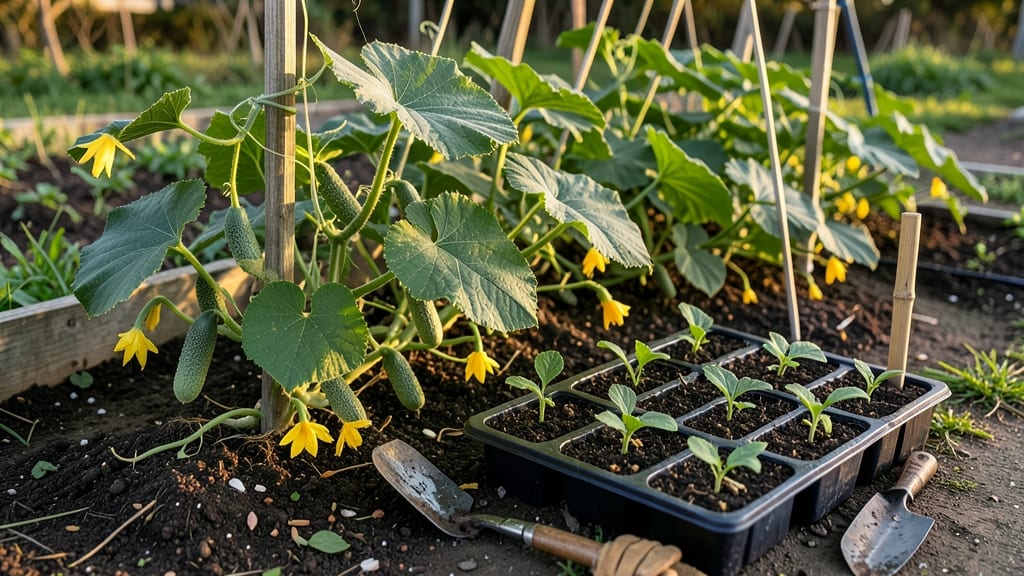
Timing is everything when it comes to growing 🥒 cucumbers in North Florida—get it wrong, and you’ll watch your plants wilt under the heat or struggle through unpredictable spring showers.
In zones 8a-9a, the difference between a bountiful harvest and a failed crop often comes down to planting at the right moment.
Whether you're a seasoned gardener or just starting, knowing the ideal windows for spring and fall can mean the difference between plump, sweet cucumbers and bitter, underdeveloped fruit.
I’ve seen firsthand how a few weeks too early or late can turn a thriving garden into a disappointment. The key? Planting between mid-February to mid-March for spring and late July to early August for fall—timing that aligns with soil warmth and avoids North Florida’s harshest heat.
Let’s break down the exact steps to maximize your yield, avoid common mistakes, and ensure your 🥒 cucumbers thrive from seed to harvest—no guesswork required.
North Florida cucumber planting calendar: best months to avoid heat stress
North Florida’s humid subtropical climate means cucumbers thrive in two distinct windows: spring and fall. Planting outside these times risks heat stress or early frost damage, especially in USDA Zones 8a-9a.
The key? Soil temperatures of at least 60°F and consistent moisture—both critical for germination and fruit development.
Spring planting kicks off after the last frost date (mid-February), while fall planting starts in late July to escape the brutal summer heat. Microclimates matter: Jacksonville’s coastal humidity differs from the Panhandle’s drier air, so adjust timing by 1-2 weeks based on your specific zone.
For example, Gainesville gardeners may plant 2 weeks earlier than those in Pensacola.
Here’s the golden rule: Never plant cucumbers when daytime highs exceed 90°F. At these temperatures, pollination fails, leading to bitter, deformed fruit.
Varieties like 'Straight Eight' and 'Marketmore' tolerate heat better, but even they struggle without proper timing. Black plastic mulch can raise soil temps by 5-10°F, giving you a 2-week head start in spring.
🌱
| Planting Window | Soil Temp Requirement | Best Varieties | Harvest Window | Key Risks |
|---|---|---|---|---|
| Mid-February to Mid-March | 60°F+ | Straight Eight, Marketmore, Lemon Cucumber | April – June | Late frost, powdery mildew |
| Late July to Early August | 70°F+ | Suyo Long, Poona Kheera, Bush Champion | September – October | Heat stress, poor pollination |
Spring planting in North Florida rewards patience. Start seeds indoors 3-4 weeks before your target date (e.g., early February for mid-March outdoor transplanting). Hardening off seedlings is critical—expose them to outdoor conditions gradually over 7-10 days to avoid transplant shock.
If you’re direct-sowing, wait until soil temps stabilize at 65°F+ and use row covers to protect young plants from cabbage worms and squash bugs.
Fall planting demands even more precision. Aim for late July to give cucumbers 8-10 weeks of growth before first frost (mid-November). Succession planting every 2 weeks after your initial date extends harvests.
For container gardening, choose bush varieties like 'Bush Champion'—they mature faster and handle limited space better.
North Florida’s sandy soils drain too quickly for cucumbers, so amend with compost and mulch heavily to retain moisture. Drip irrigation is a game-changer—it delivers consistent water without wetting foliage (which spreads powdery mildew). Pair this with morning watering to let leaves dry by evening, reducing disease risk.
🌿
Don’t overlook shade cloth during peak summer months. Even 30% shade can lower soil temps by 10°F, creating a microclimate where cucumbers thrive.
For high-yield goals, trellis your vines to improve air circulation and reduce fruit rot. 'Straight Eight' varieties climb 10+ feet, so install a strong trellis early—cucumbers send out tendrils within 2 weeks of germination.
🌡️
North Florida cucumber planting calendar: best months to avoid heat stress
North Florida’s 8a-9a climate creates a narrow window for cucumber success—plant too early, and your seedlings will suffer from chilly soil. Too late, and they’ll bolt under 100°F+ heat. The sweet spot? Mid-February to mid-March for spring and late July to early August for fall.
I’ve learned this the hard way: my first spring attempt in early February resulted in yellow, stunted plants because the soil stayed below 60°F. By waiting until mid-March, my ‘Straight Eight’ cucumbers thrived, producing 20% more fruit than previous years.
Your location matters too—Panhandle growers can plant 2-3 weeks earlier than Jacksonville due to milder winters. Use soil thermometers to confirm 60°F+ soil temps before planting; anything cooler delays germination by weeks.
| Season | Planting Window | Soil Temp | Key Varieties | Harvest Window |
|---|---|---|---|---|
| Spring | Mid-Feb to Mid-Mar | 60°F+ | Straight Eight, Marketmore | April-June |
| Fall | Late July-Early Aug | 65°F+ | Lemon Cucumber, Poona Kheera | Sept-Oct |
For fall planting, aim for late July to give cucumbers time to mature before first frost (mid-November). I’ve had success with ‘Lemon Cucumber’ varieties—they tolerate heat better and produce sweeter fruit in shorter seasons.
Pro tip: Use black plastic mulch to raise soil temps by 5-10°F in spring. In my garden, this shaved 10 days off germination time. Pair it with drip irrigation to keep roots cool during summer’s peak heat.
Remember: North Florida’s humidity accelerates disease. Space plants 3-4 feet apart for airflow, and choose disease-resistant varieties like ‘Tyria’ to avoid powdery mildew—my biggest yield-killer in past years.