
Plants
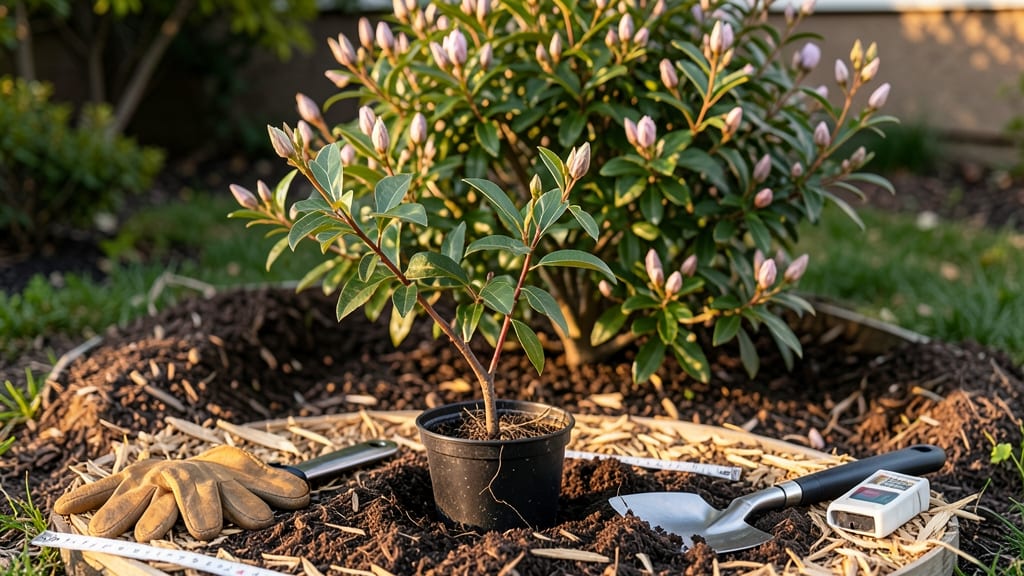
If you’ve ever wondered when to plant crape myrtle in Zone 9, timing is the secret to vibrant blooms and a thriving tree.
Zone 9’s heat and humidity demand precision—plant too early, and your 🌸 crape myrtle will struggle with summer stress; too late, and it won’t establish roots before winter’s chill.
For gardeners in Zone 9, the best window is late winter to early spring, ideally between February and March. This timing lets roots grow strong before the heat peaks, ensuring your tree survives the summer’s intensity.
Skip fall planting—Zone 9’s mild winters mean no real dormancy period, and new growth could get scorched.
But here’s the key: soil temperature matters more than dates. Aim for 60°F or warmer before planting, and avoid waterlogged soil in Zone 9’s wet winters. Whether you’re in coastal or inland areas, these adjustments make all the difference for long-term success.
Ready to plant? I’ll walk you through the exact steps—from soil prep to watering—to give your crape myrtle the best possible start. Let’s get those roots growing strong!
Optimal planting windows for crape myrtle in Zone 9 heat
In Zone 9, crape myrtles thrive when planted during cooler months to avoid heat stress and establish strong roots before summer’s intensity. The ideal window spans from late winter to early spring, specifically February through April, when soil temperatures hover between 60°F and 70°F.
This timing aligns with Zone 9’s frost-free periods and ensures your tree isn’t battling extreme heat or winter chills.
Zone 9’s microclimates play a huge role—coastal areas (like San Diego) may plant slightly later (March–April) due to milder winters, while inland regions (like Phoenix) should aim for February to beat the summer heat.
Even a 1–2 week delay can impact root growth, so monitor local forecasts for last frost dates (typically January 15 in most of Zone 9).
Planting in late fall (October–November) is also viable for Zone 9, but it requires extra care to protect roots from winter rains and early cold snaps.
If you choose fall, opt for container-grown trees to monitor soil moisture and avoid waterlogged roots—a common issue in Zone 9’s wet winters.
Soil temperature is your best indicator: use a soil thermometer to confirm it’s above 60°F before planting. In Zone 9, this usually happens by mid-February inland and late February near coastlines. Root establishment happens fastest in these conditions, giving your crape myrtle a 3–4 month head start before summer’s peak heat.
🌱Pro Tip: If you miss the spring window, avoid summer planting (June–August) at all costs. The 100°F+ temperatures in Zone 9 can cause root shock and leaf scorch, stunting growth for years. Instead, wait for early fall (September) if you must delay, but prioritize spring for best results.
| Planting Window | Soil Temp | Zone 9 Microclimate | Root Growth Benefit |
|---|---|---|---|
| Late Winter (Feb) | 60–65°F | Inland (Phoenix, Las Vegas) | Fast root spread; avoids summer heat |
| Early Spring (Mar–Apr) | 65–70°F | Coastal (San Diego, LA) | Balanced growth; minimal stress |
| Late Fall (Oct–Nov) | 55–60°F | All regions | Slower growth; needs winter protection |
| Avoid: Summer (Jun–Aug) | Above 85°F | All regions | Root shock; poor survival |
For heat-wave recovery, if you plant in late spring (May), mulch heavily with 3–4 inches of organic mulch (like wood chips) to retain moisture and cool roots. Water deeply 2–3 times per week for the first month to compensate for Zone 9’s intense sun.
Shade cloth (30–50%) can also help young trees acclimate during 100°F+ days.
If your local nursery sells bare-root crape myrtles, plant them as soon as possible—these trees have minimal root systems and need immediate moisture. Soak roots in water + rooting hormone for 1–2 hours before planting to reduce transplant shock.
In Zone 9, bare-root trees should only be planted in winter or early spring (never summer).
🌿Key Takeaway: Zone 9’s best planting months are February–April, with March being the sweet spot for most regions. Adjust for your local micro
Optimal planting windows for crape myrtle in Zone 9 heat
In Zone 9, crape myrtles thrive when planted during cooler months to avoid heat stress. The ideal window spans from late winter to early spring, specifically February through March, when soil temperatures consistently stay above 60°F.
This timing ensures strong root establishment before summer’s intense heat arrives. Inland areas like Phoenix or Las Vegas may shift slightly earlier (late January), while coastal zones like San Diego can extend planting into April.
Why this timing? Crape myrtles need 6–8 weeks of mild weather to adapt. Planting in summer (June–August) risks root burn from 100°F+ soils, while fall planting (October–November) leaves insufficient time for root growth before winter dormancy.
| Planting Window | Soil Temp | Root Growth | Zone 9 Notes |
|---|---|---|---|
| Late Winter (Feb) | 55–60°F | Moderate | Best for inland areas; avoid late frosts. |
| Early Spring (Mar) | 60–70°F | Optimal | Ideal for coastal zones; peak root growth. |
| Fall (Oct–Nov) | 65–75°F | Slow | Risky; limited time before dormancy. |
For container planting, extend the window to April–May but use well-draining mix to prevent root rot in Zone 9’s humid summers. Always acclimate container-grown trees for 1–2 weeks before transplanting.
After planting, mulch heavily (3–4 inches) to retain moisture and regulate soil temperature. Avoid organic mulches like grass clippings, which can mat down and suffocate roots.
Monitor young trees for heat stress signs like wilting leaves or yellowing—these indicate overwatering or insufficient root depth. Adjust watering to deep, infrequent soaks every 7–10 days once established.