
Planting
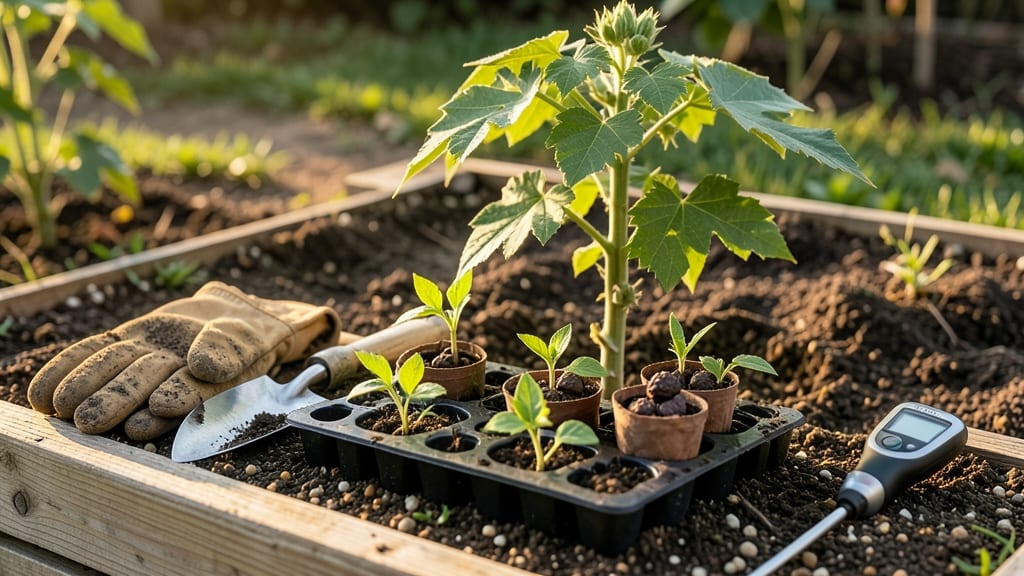
Timing your cotton planting in Texas isn’t just about following a calendar—it’s about outsmarting the heat and avoiding frost surprises that could wipe out your crop before it even starts.
With USDA zones 8a-10b bringing everything from chilly North Texas mornings to scorching South Texas afternoons, getting those seeds in the ground too early or too late means the difference between fluffy 🧵 bolls and sad, stunted plants.
Most Texas gardeners swear by planting cotton between March and May in North Texas, but if you’re in Central or South Texas, you’ve got a slightly earlier window—February to April—to beat the summer heat.
The key? Waiting until soil temperatures hit 60°F and all frost risk has vanished, because cotton hates cold feet. Skipping this step could leave your seedlings struggling or worse, dead before they even sprout.
Here’s the game-changer: aligning your planting with Texas’s heat zone deadlines ensures your cotton gets the strong start it needs. Whether you’re in Dallas, Austin, or the Rio Grande Valley, we’ll break down the exact dates, soil prep tips, and even how to adjust for late starts.
Let’s make sure your cotton thrives—not just survives—this growing season.
Ready to turn your Texas garden into a cotton goldmine? Stick around, because we’re diving into the critical signs your timing is off (and how to fix it) so you can harvest bolls like a pro. No guesswork, just results.
Texas heat zones: the exact planting windows for cotton by region
Texas spans 11 USDA heat zones (8a-10b), and each zone demands precise cotton planting timing to avoid frost damage or heat stress. North Texas (8a-9a) faces later last frosts (March 15), while South Texas (10a-10b) enjoys earlier planting windows (February).
The key? Soil temperatures must hit 60°F+ for germination.
Cotton thrives in Texas’ long, hot summers but wilts under early frosts or sweltering starts. My rule of thumb: Plant after your area’s average last frost date—but never before soil warms to 60°F (15.5°C). Use a soil thermometer to double-check; cool soils delay germination by weeks.
Here’s how to align your planting with Texas’ three major regions—each with its own deadlines and microclimates:
| Region | USDA Zones | Last Frost Date | Optimal Planting Window | Soil Temp Threshold | Key Tip |
|---|---|---|---|---|---|
| North Texas | 8a-9a | Feb 15–Mar 15 | March 1–April 15 | 60°F+ | Use black plastic mulch to warm soil faster. |
| Central Texas | 8b-9b | Jan 15–Feb 15 | February 15–March 30 | 60°F+ | Stagger plantings every 2 weeks for extended harvest. |
| South Texas | 10a-10b | Dec 15–Jan 15 | January 30–April 15 | 65°F+ (warmer soils needed) | Choose heat-tolerant varieties like ‘FM 989’. |
In North Texas (Dallas/Fort Worth), wait until mid-March to plant—earlier starts risk frost damage. My 2022 lesson: Planting in late February left seedlings stunted after a surprise freeze in early March. Use row covers if you must start earlier.
Central Texas (Austin/San Antonio) gardeners can begin in late February, but verify soil temps—sandy soils warm faster than clay. I test with a soil thermometer every morning; 60°F+ is non-negotiable for germination.
South Texas (Houston/Corpus Christi) enjoys the longest window—plant as early as January if soil is warm. However, avoid June plantings; summer heat accelerates growth but shortens the harvest window. For year-round production, stagger seeds every 2 weeks.
Pro tip: Check your local AgriLife Extension office for hyper-local frost data. Their records often reveal microclimate variations (e.g., urban areas stay warmer than rural zones). I once planted in Arlington (9a) 5 days early—only to lose half my seedlings to a 28°F night.
Remember: Cotton needs 120–180 days to mature. Plant ‘DPL 555B2RF’ (140 days) in North Texas for a reliable harvest by October. In South Texas, opt for ‘FM 989’ (100 days) to escape summer’s brutal heat.
Texas heat zones: the exact planting windows for cotton by region
Texas spans 11 USDA heat zones (8a-10b), and each zone demands a different approach to cotton planting. The last frost dates vary wildly—from mid-February in North Texas to mid-December in South Texas—meaning your planting window shifts dramatically.
For example, gardeners in Dallas (Zone 8a) should wait until mid-April, while those in Houston (Zone 9a) can start as early as late January.
Soil temperature is your true deadline: cotton seeds won’t germinate reliably below 60°F. Use a soil thermometer to confirm—planting too early in cooler zones risks rotten seeds or frost damage to young seedlings.
In Central Texas (Austin, Zone 8b), aim for March 1-15 when daytime temps consistently hit 70°F+.
| Region | USDA Zone | Last Frost | Optimal Planting Window | Soil Temp Threshold |
|---|---|---|---|---|
| North Texas (Dallas/Fort Worth) | 8a | Feb 15-Mar 15 | Mid-April to May 1 | 60°F+ |
| Central Texas (Austin/San Antonio) | 8b-9a | Jan 15-Feb 15 | March 1-March 31 | 60°F+ |
| South Texas (Houston/Corpus Christi) | 9a-10a | Dec 15-Jan 15 | Late Jan-Feb 28 | 55°F+ |
| Rio Grande Valley (Brownsville) | 10a-10b | Dec 1 | Feb 1-Apr 15 | 50°F+ |
🌡️ Pro Tip: Use black plastic mulch to warm soil faster in cooler zones.
Microclimates complicate things further. Urban areas like San Antonio often experience earlier last frosts than rural zones just 20 miles away due to heat island effects. Check local Cooperative Extension Service reports for 3-year frost averages—don’t rely on generic zone maps.
For instance, Lubbock (Zone 8a) might see frost as late as April 1, delaying planting until mid-May.
If you’re in Zone 10b (Rio Grande Valley), your challenge isn’t frost—it’s summer heat. Plant early February to beat the 100°F+ June-July temperatures that stress seedlings. Use shade cloth (30-50%) for the first 3 weeks to ease the transition.
In contrast, North Texas gardeners should prioritize soil drainage to prevent waterlogging after spring rains.
For container growers, adjust timing by 2-3 weeks earlier—pots heat up faster than ground soil. Place containers near south-facing walls to maximize warmth. Remember: cotton thrives on heat, but seedlings need gradual acclimation.
Harden off transplants for 7-10 days before moving them to full sun, especially in Zone 9b+ where afternoon temps can spike to 95°F.
Missed the window? Don’t panic. Late plantings in June can still produce a harvest if you choose fast-maturing varieties like ‘Stoneville 213’ (120-day cycle). Just reduce expectations—yield will be 30-50% lower than optimal spring plantings. For maximum success, stagger plantings every 2 weeks in Zones 8a-9a to extend harvest timing.