
Plants
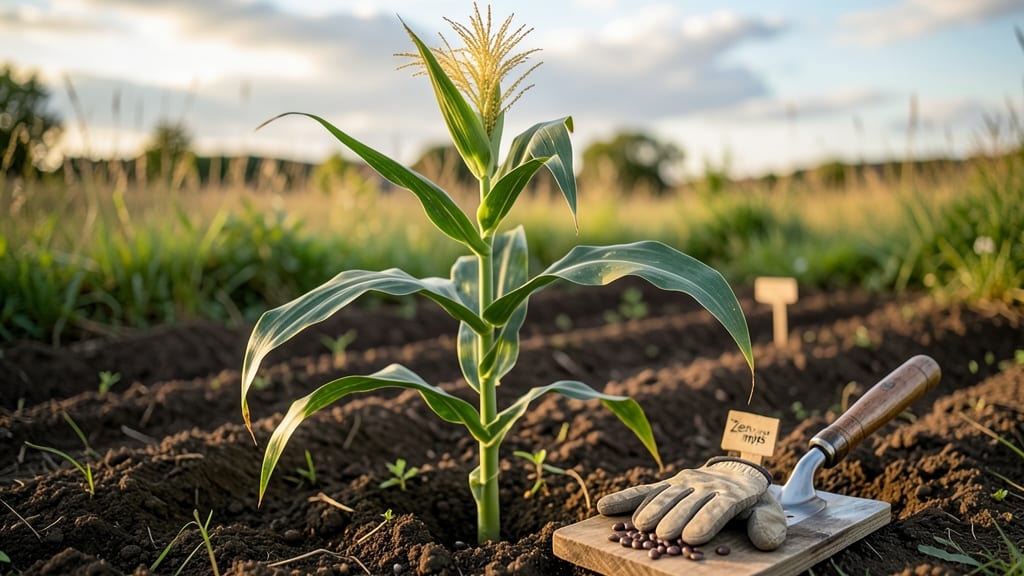
Timing your 🌽 corn planting in San Diego could mean the difference between a bountiful harvest and wasted effort. With two distinct microclimates—coastal chill and inland heat—getting the schedule wrong can leave your plants struggling or stunted.
The good news? San Diego’s frost-free winters and long growing season actually give you two prime windows to plant for success.
If you’ve ever watched your corn plants wilt under unexpected coastal fog or bolt too quickly in inland heat, you know how critical timing is. The key lies in soil temperature and seasonal shifts, not just calendar months.
I’ll break down the exact planting windows for both regions so you can avoid common mistakes and maximize your yield.
Most gardeners in USDA Zone 10a focus only on spring planting, but fall offers a second chance—especially for heat-tolerant varieties. Whether you’re planting near the ocean or in the desert-like inland areas, understanding these nuances will help you plan your garden like a pro.
Ready to grow healthy, productive corn that thrives in San Diego’s unique climate? Let’s dive into the precise planting schedule that works for both coastal and inland gardens.
San Diego coastal corn planting schedule: avoiding chilly mistakes
Coastal San Diego offers a longer growing season for corn, but chilly ocean breezes and morning fog can delay germination. The key is timing your plantings for soil temperatures above 60°F and using protective measures to shield tender seedlings.
Unlike inland areas, coastal regions rarely face frost, but temperatures below 50°F can stunt growth.
For coastal gardeners, the ideal planting window is March through early April. This timing ensures your corn matures before summer’s heat peaks in July.
If you’re eager to start earlier, consider starter plants in late February, but be prepared to use row covers or shade cloth to protect against unexpected cold snaps.
🌱 Pro Tip: Test your soil temperature with a soil thermometer before planting. Corn seeds won’t sprout until the soil reaches at least 60°F—cooler temps will leave you waiting weeks for germination.
| Factor | Coastal San Diego | Inland San Diego |
|---|---|---|
| Best Planting Months | March–April | April–May |
| Soil Temp Requirement | 60°F+ (use row covers if cooler) | 65°F+ (warmer soil needed) |
| Biggest Threat | Coastal fog & wind | Summer heat & drought |
| Harvest Window | June–July | July–August |
| Protective Measure | Shade cloth or row covers | Black plastic mulch |
If you’re planting in March, focus on early-maturing varieties like ‘Early Sunglow’ (65 days to harvest) or ‘Golden Bantam’ (70 days). These varieties give you a better chance of avoiding summer’s heat stress.
For a second harvest, consider a late-summer planting in August—just be prepared to use drip irrigation to combat coastal dry spells.
One coastal-specific challenge is wind exposure. Corn stalks can lean or snap under strong breezes, so stake your plants or plant in a sheltered microclimate, like near a fence or building. Even a lightweight trellis can provide support for taller varieties like ‘Country Gentleman’ (100+ days).
🌿 Soil Prep Tip: Coastal soils often retain too much moisture. Amend with compost and coarse sand to improve drainage while retaining enough water for deep roots. Aim for a pH between 6.0 and 7.0—corn thrives in slightly acidic to neutral soil.
For gardeners in areas like La Jolla or Del Mar, where fog is frequent, extend your season by planting in raised beds. Raised beds warm up faster in spring and drain better, reducing the risk of seed rot from prolonged dampness.
Fill beds with a mix of 50% compost, 30% topsoil, and 20% perlite for optimal results.
Finally, monitor your corn’s water needs closely during the tasseling stage (when pollen appears). Coastal humidity can lead to fungal diseases like gray leaf spot, so avoid overhead watering. Instead, use soaker hoses or drip irrigation to deliver water directly to the roots.
☀️ Harvest Ready: Coastal corn is typically ready by mid-July, just as summer’s heat begins to intensify inland. Time your plantings to enjoy fresh ears before the August heatwave** hits—this is when many coastal gardeners switch to heat-tolerant varieties for their inland plots.
Inland San Diego corn planting: heat zones and late-season success
Inland San Diego’s hotter microclimates (think El Cajon or Chula Vista) demand a later planting window to avoid 100°F+ heat that stunts corn growth. Unlike coastal areas, inland soil warms faster—aim for April 15–May 15 when daytime temps stabilize between 75°F–85°F.
Choose heat-tolerant varieties like ‘Golden Bantam’ (70 days) or ‘Silver Queen’ (85 days), which thrive in inland heat. These varieties resist drought stress and ear rot common in inland summers. Avoid sweet corn like ‘Peaches and Cream’—it bolts faster in high heat.
Prepare soil by amending with compost and sand to improve drainage, as inland soils can bake hard. Test soil pH—corn prefers 6.0–7.0. If your soil is alkaline (pH 7.5+), add sulfur or peat moss 2 weeks before planting to adjust.