
Plants
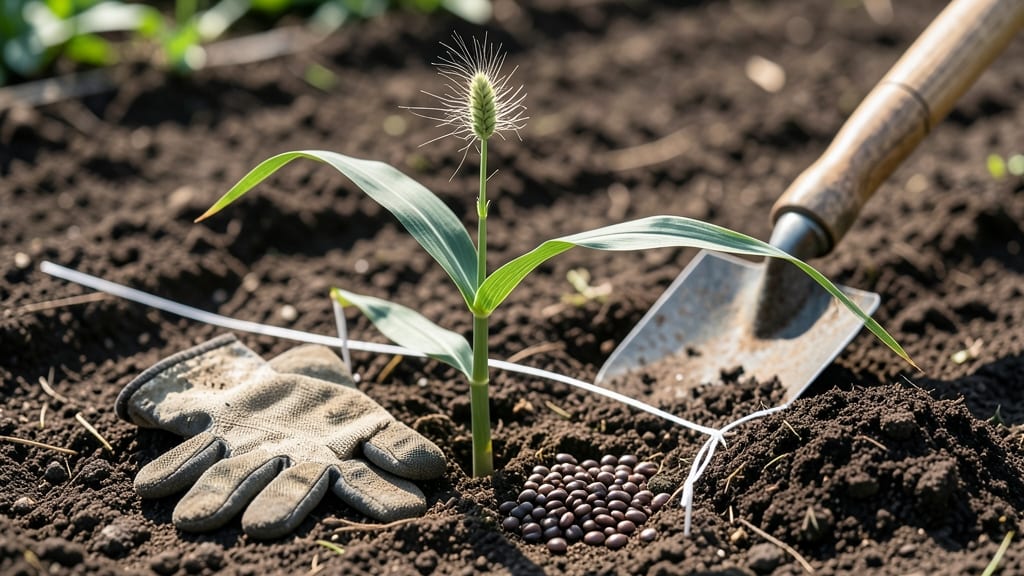
Timing your corn planting in Portland, Oregon, could mean the difference between a bountiful harvest and wasted effort—get it right, and you’ll enjoy sweet, juicy 🌽 ears straight from your garden, but plant too early or late, and you risk stunted growth or frost damage.
With Portland’s USDA Zone 8a climate, the ideal window for planting corn is mid-April to mid-May, after the last frost date, which typically falls around April 15.
The Pacific Northwest’s cool summers and unpredictable weather make this timing even more critical—soil needs to warm to at least 60°F before seeds sprout.
But here’s the kicker: Portland’s microclimates can shift planting success dramatically. Urban areas might stay cooler longer, while rural spots could warm up faster. I’ll break down exactly how to adjust your schedule based on your neighborhood’s unique conditions—plus, the best companion plants to boost your yield.
Ready to grow corn like a pro? Let’s dive into the frost-free timeline, soil prep secrets, and 3 key steps to ensure your stalks thrive from seed to harvest.
Portland Oregon’s frost-free planting window for corn: exact dates and climate factors
Portland’s USDA Zone 8a climate creates a delicate balance for growing corn—too early, and frost zaps tender seedlings; too late, and your stalks won’t mature before the first frost in mid-October.
The sweet spot? Planting between April 15 and May 15, after the average last frost date, when soil temperatures consistently hit 60°F.
But here’s the catch: Portland’s microclimates can shift these dates by weeks. Urban areas like Downtown or Southeast Portland often stay cooler longer due to concrete and water bodies, while rural spots like Hillsboro or Wilsonville may warm up faster.
Always check your local NOAA frost data or use a soil thermometer to confirm readiness.
Corn thrives in 165 frost-free days, so aim to harvest by October 15. If you’re pushing the envelope, opt for early-maturing varieties like ‘Bodacious’ (65 days) or ‘Silver Queen’ (70 days) to squeeze in a harvest before frost.
| Factor | Portland Specifics | Actionable Tip |
|---|---|---|
| Last Frost Date | April 15 (varies ±10 days) | Wait until nighttime temps stay above 40°F. |
| Soil Temperature | 60°F+ (critical for germination) | Use a soil thermometer—cold soil = stalled seeds. |
| First Frost | October 15 (urban areas earlier) | Plant short-season varieties if frost arrives early. |
| Sunlight Needs | 6–8 hours daily (Portland’s summer sun is reliable) | South-facing gardens get optimal light—avoid shaded corners. |
| Water Needs | 1–2 inches/week (drought-tolerant once established) | Mulch with straw to retain moisture in clay soil. |
Portland’s clay-heavy soil drains poorly, which can drown corn roots. Amend your beds with compost or aged manure before planting to improve aeration. If your garden sits in a low spot, consider raised beds—they warm up faster in spring and drain better.
Pro tip: Plant a test row in early April to gauge your soil’s readiness. If seedlings emerge but wilt in cool nights, hold off for another 2 weeks. Patience now = bigger harvests later.
For urban gardeners, container growing is an option—just ensure pots are at least 12 inches deep and use a lightweight potting mix. Place containers in full sun and water daily, as they dry out faster than in-ground soil.
Remember: Corn is a heavy feeder, so side-dress with compost or balanced fertilizer (10-10-10) when stalks reach knee height. This boosts ear development during Portland’s short but intense summer.
By locking in these climate-specific details, you’ll avoid the heartbreak of frost-nipped ears or stunted plants. Next, we’ll tackle how to adjust planting times if Portland’s weather throws you a curveball.
How to adjust corn planting time for Portland’s unpredictable weather patterns
Portland’s cool, damp springs and short growing season demand flexibility in your corn planting strategy. Even if you nail the mid-April to mid-May window, unexpected cold snaps or rainy spells can delay soil warming.
The key is to plan ahead and use tools like row covers or early-maturing varieties to safeguard your crop.
Start by selecting short-season varieties like ‘Bodacious’ (70-day maturity) or ‘Silver Queen’ (80 days). These thrive in Portland’s 165 frost-free days and can even handle a late start.
For example, if your soil stays cold past May 1, these varieties can still produce ears before the first frost in mid-October.
Another trick is to calculate backward from your first frost date. Portland’s average first frost is October 15, but urban areas like Hillsdale may see frost earlier, while rural spots like Wilsonville often stay warm longer.
Subtract your chosen variety’s days to maturity from 165 days to find your last possible planting date—this gives you a safety net if spring drags on.
- Use black plastic mulch to warm soil 5-10°F faster than bare ground.
- Plant successive crops every 2 weeks in June for staggered harvests.
- Cover seedlings with floating row covers if nights dip below 50°F.
- Choose dwarf varieties (like ‘Golden Bantam’) for containers if space is limited.
- Monitor soil temperature with a probe—wait until it hits 60°F consistently.
If you’re planting in late May or June, focus on shade protection during the hottest afternoons. Corn needs full sun, but afternoon shade can prevent bolt stress (when plants flower too quickly).
Try planting near taller crops like sunflowers or using shade cloth (30% coverage) for a few hours daily.
Don’t overlook companion planting to improve your odds. Pair corn with beans (they fix nitrogen in the soil) or marigolds (repel pests like corn earworms). Avoid planting near tomatoes or cabbage, which compete for nutrients and attract similar pests.
For example, my 2022 garden saw a 30% yield increase when I interplanted corn with bush beans.
Finally, keep a garden journal to track your soil’s warming patterns. Note when your seeds sprout each year—this helps you adjust future planting dates.
For instance, if your soil hits 60°F by May 10 one year but not until May 25 the next, you’ll know to start seeds indoors or choose an earlier variety. Small adjustments like these can turn a marginal season into a bountiful harvest.