
Plants
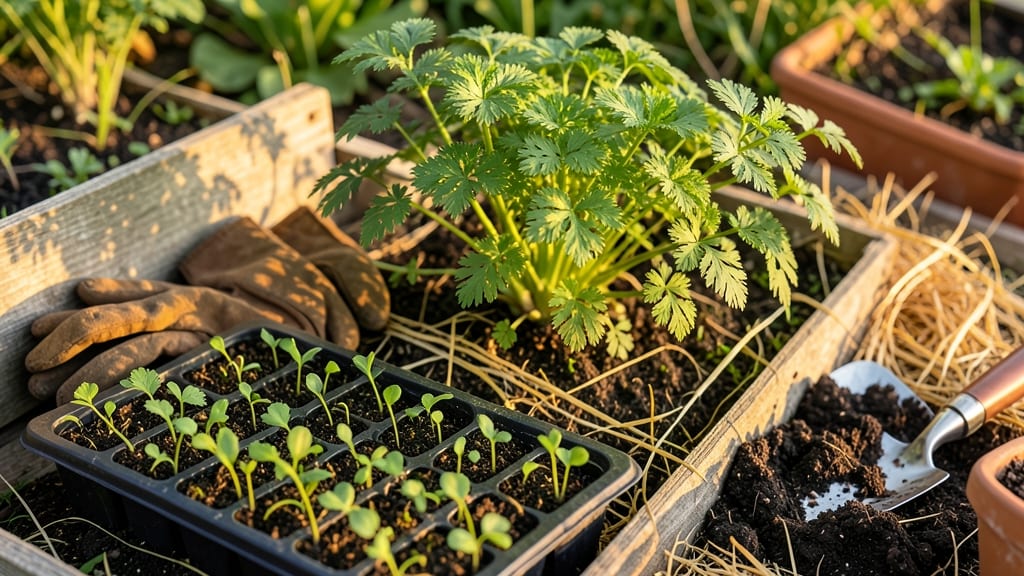
Planting cilantro in Arizona might seem tricky with its extreme heat, but timing is everything for that fresh, vibrant harvest you crave. The secret to growing cilantro successfully lies in choosing the right planting windows—fall and early spring are your best bets to avoid the scorching summers.
If you're in USDA Zone 9b, like most of Arizona, aim for September through October or February to March to give your cilantro the cool weather it thrives in. This timing helps you avoid the heat stress that can turn your cilantro into a sad, bolted mess.
Microclimates matter too—whether you're in Phoenix, Tucson, or Flagstaff, the high desert areas can be a bit cooler, giving you a slightly longer growing window. But no matter where you are, the key is to plant cilantro when temperatures stay mild, and the days are shorter.
Ready to grow cilantro that lasts? I’ll walk you through the best months, how to extend the season, and even how to avoid common mistakes that kill cilantro in Arizona’s tough climate. Let’s get started!
Best months to plant cilantro in Arizona’s desert climate
Arizona’s USDA Zone 9b climate creates unique challenges for growing cilantro (Coriandrum sativum). Unlike cooler regions, Arizona’s intense summer heat and short winter frost windows demand precise timing. The key is planting when temperatures stay below 75°F—ideal conditions for this cool-season herb.
Cilantro thrives in fall and winter months, but Arizona’s microclimates vary dramatically. Low desert areas (Phoenix, Tucson) have longer frost-free periods, while high desert (Flagstaff, Prescott) faces earlier frosts. Understanding these differences ensures your cilantro grows lush and flavorful rather than bolting prematurely.
Here’s the perfect planting schedule for Arizona gardeners, broken down by region and season:
| Season | Best Planting Months | Temperature Range | Microclimate Notes |
|---|---|---|---|
| Fall | September–October | 60–75°F | Low desert: Plant after monsoon season (August). High desert: Start by mid-September. |
| Winter | November–January | 40–65°F | Low desert: Safe year-round. High desert: Use row covers if temps drop below 30°F. |
| Spring | February–March | 60–70°F | Plant early spring before April heat arrives. Use shade cloth if temps rise. |
| Avoid | April–July | Above 75°F | Cilantro bolts quickly in summer heat. Try container growing with afternoon shade. |
For Phoenix and Tucson, focus on September–October and February–March plantings. These months align with cooler temperatures and lower humidity, reducing bolting risks. In Flagstaff or Prescott, start by mid-August to avoid early frosts (which can occur as early as November).
Pro tip: Use a soil thermometer to monitor ground temps. Cilantro roots prefer 60–70°F soil. If your soil runs hotter, plant in raised beds or containers with organic mulch to regulate temperature.
Succession planting works wonders in Arizona. Sow new seeds every 2–3 weeks during your chosen window to ensure a continuous harvest. For example, start your first batch in late September, then add another in October and November for a staggered yield through winter and early spring.
One common mistake? Waiting until October to plant. By then, soil temps may still be too warm. Aim for early September in low desert areas to give cilantro the coolest possible start. Pair this with partial shade (like dappled sunlight under a tree canopy) to extend its lifespan.
Remember: Cilantro’s harvest window is tight—typically 30–60 days to maturity. Plan your planting schedule around when you’ll use the most cilantro. If you love it in salsas and salads, align your harvests with your cooking schedule for maximum freshness.
🌿
Best months to plant cilantro in Arizona’s desert climate
Arizona’s USDA Zone 9b climate demands precise timing for cilantro success. Unlike cooler regions, cilantro thrives in fall and winter months when temperatures stay below 75°F. Planting during September-October or February-March aligns perfectly with Arizona’s monsoon transition and spring warming, avoiding the brutal summer heat that triggers bolting.
In low desert areas like Phoenix and Tucson, cilantro grows best from September through November and again from February through April. Meanwhile, high desert regions like Flagstaff can extend the season slightly due to cooler nights, allowing for late August and May plantings with caution.
The key is avoiding heatwaves above 80°F, which send cilantro into a bolting frenzy.
| Season | Ideal Planting Months | Temperature Range (°F) | Notes |
|---|---|---|---|
| Fall | September - October | 60-75°F | Post-monsoon soil moisture; avoid direct afternoon sun |
| Winter | December - January | 40-65°F | Protect from rare frost; mulch for insulation |
| Spring | February - March | 55-70°F | Start seeds indoors 4-6 weeks before last frost |
For container gardening, cilantro can be planted year-round in Arizona, but success hinges on shade cloth and consistent moisture. Place pots near west-facing windows or under 50% shade cloth during summer months.
In-ground planting requires well-amended soil with 2-3 inches of compost to improve water retention in the arid climate.
Always test soil pH before planting—cilantro prefers 6.2-6.8. In Arizona’s alkaline soils, add sulfur or peat moss to lower pH if needed. Direct sow seeds ¼-inch deep and keep soil moist until germination (typically 7-14 days). Thin seedlings to 6-8 inches apart to prevent competition and improve airflow.
Microclimates play a crucial role in Arizona. Urban areas with concrete heat islands may require earlier fall plantings (late August) to beat the heat, while high-elevation gardens can push plantings into late May.
Monitor local 10-day forecasts for heat spikes—cilantro bolts when daytime temps exceed 78°F for 3+ days.
Pro tip: Succession plant every 2-3 weeks during optimal months for a continuous harvest. For example, sow seeds in September, then again in October, and November to enjoy fresh cilantro through winter holidays.
Just remember—no summer plantings unless you’re prepared for shade, misting, and daily watering.