
Plants
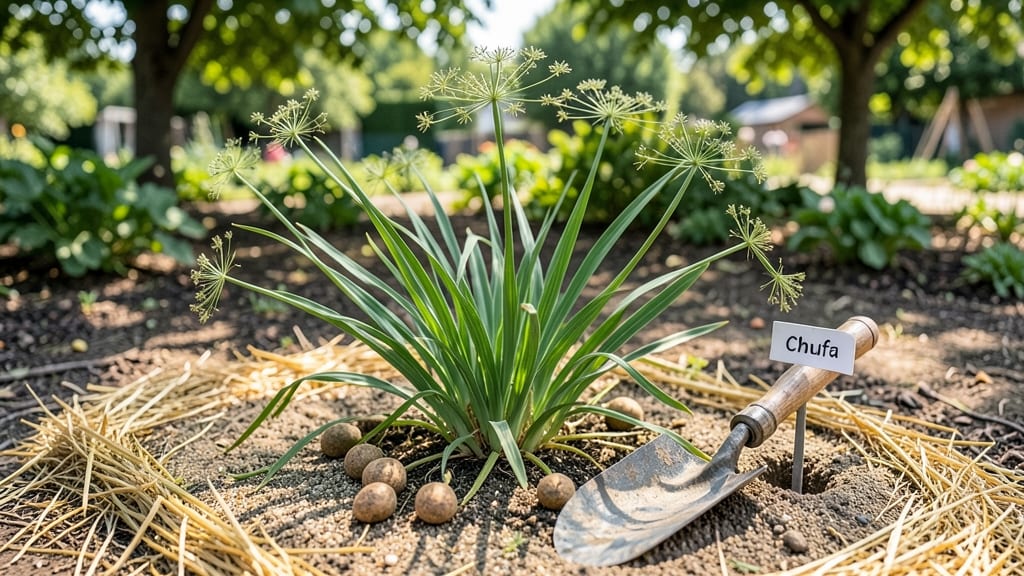
If you're wondering when to plant chufa in NC, timing is the secret to unlocking a bountiful harvest of these nutty, earthy tubers—without the risk of frost wiping out your hard work.
North Carolina’s warm summers and varied climate zones create the perfect conditions for 🌾 chufa, but planting too early or late can mean the difference between a thriving crop and a failed one.
The ideal window for planting 🌾 chufa in North Carolina falls between late spring and early summer—specifically, May through June—when soil temperatures consistently reach 60°F and the threat of frost has passed.
This timing ensures your tubers develop properly before the heat of summer, setting you up for a harvest in late summer or early fall when the tops turn golden and crisp.
But here’s the catch: whether you’re in the 6b mountains or the 8a coastal plains, local microclimates can shift your planting window by weeks. Sandy soils in the east may need earlier planting, while Piedmont clay might benefit from a slight delay.
I’ll break down exactly how to adjust for your specific zone to maximize your yield.
Ready to grow your own chufa? Let’s dive into the exact steps to prepare your soil, time your planting, and avoid the most common mistakes that trip up even experienced gardeners in North Carolina.
Best planting months for chufa in North Carolina’s climate zones
North Carolina’s diverse climate zones (5a through 8b) create unique planting windows for chufa. The key is planting after the last frost date when soil temperatures consistently reach 60°F—a critical threshold for tuber development.
In Zone 7a, this typically means mid-April, while Zone 8a gardeners can start as early as mid-March.
Chufa thrives as a warm-season crop, so timing your planting to align with NC’s 200+ frost-free days ensures robust growth. The ideal planting window spans from late May to early July, allowing tubers to mature before the first frost in November.
This timing maximizes your harvest window (August-October) when tubers reach peak size.
Here’s how to align your planting with NC’s microclimates for optimal tuber yields:
| USDA Zone | Last Frost Date | Ideal Planting Month | Soil Temp Threshold | Harvest Window |
|---|---|---|---|---|
| 5a-6a | April 15-May 1 | Late May | 60°F+ | September-October |
| 6b-7a | March 15-April 1 | May-June | 60°F+ | August-September |
| 7b-8a | February 15-March 1 | April-July | 60°F+ | July-October |
| 8b | January 15-February 1 | March-July | 60°F+ | June-November |
*Adjust for local microclimates—coastal areas may plant earlier.
For Zone 7a gardeners (common in Raleigh and Greensboro), aim for May 15-June 1 planting. This gives tubers 120+ days to mature before the first frost. In Zone 8a (Charlotte, Wilmington), you can extend planting until early July for a late-season harvest.
Use a soil thermometer to confirm readiness—chufa tubers won’t sprout until soil hits 60°F. In cooler zones, consider black plastic mulch to warm the soil 2-3 weeks faster and create an earlier planting window.
If you miss the ideal window, August planting is still viable in Zones 7b-8a, though yields may be smaller. Always plant 2-3 weeks before your first frost date to ensure tubers develop fully before winter sets in.
Pro tip: In Zone 5a (western NC mountains), treat chufa as an annual—plant late May and harvest before the first frost in October. In warmer zones, it may overwinter with heavy mulch.
Remember, chufa’s tuber development is slow—rushing planting risks small, underdeveloped tubers. Patience pays off with larger, sweeter harvests when you align planting with NC’s climate zones.
Best planting months for chufa in North Carolina’s climate zones
North Carolina’s diverse climate zones—from the coastal plains to the mountains—create distinct windows for planting chufa (Cyperus esculentus). To avoid frost damage and ensure healthy tuber development, timing is critical.
Most NC zones (6b-8a) have a 180- to 220-day growing season, meaning you’ll want to plant after the last frost but before summer heat peaks.
For Zone 6b (western NC mountains), aim for late May to early June when soil temperatures consistently reach 60°F. In Zone 7a (Piedmont), start planting in mid-May to give tubers time to mature before fall frost.
Coastal areas in Zone 8a can plant as early as April, but watch for unexpected cold snaps.
| Climate Zone | Last Frost Date | Ideal Planting Window | Soil Temp Threshold | First Frost Risk |
|---|---|---|---|---|
| 6b (Mountains) | April 15 | Late May - Early June | 60°F+ | Mid-October |
| 7a (Piedmont) | March 15 | Mid-May | 60°F+ | Late October |
| 8a (Coastal) | February 15 | April - Early May | 55°F+ | Mid-November |
If you miss the spring window, late summer planting (August) is possible in warmer zones (7b-8a), but tubers may not fully mature before frost. For Zone 6b, August plantings are risky unless you use row covers to extend the season.
Always check your local USDA frost maps for precise dates.
Pro tip: Use a soil thermometer to confirm temperatures before planting. Chufa tubers won’t sprout until soil reaches 60°F—waiting ensures vigorous growth. In Zone 8a, you can even try fall plantings in September for a winter harvest, but this requires careful frost protection.
For container growers, start tubers indoors 4-6 weeks before your zone’s last frost date. Use well-draining pots and move them outdoors only after nighttime temps stay above 55°F. This head start gives chufa a 3-week growth advantage over direct-sown plants.
Remember: Chufa thrives on consistent warmth, so prioritize planting when daytime highs exceed 75°F. In NC’s humid summers, this often aligns with June and July—the sweet spot for tuber production.