
Plants
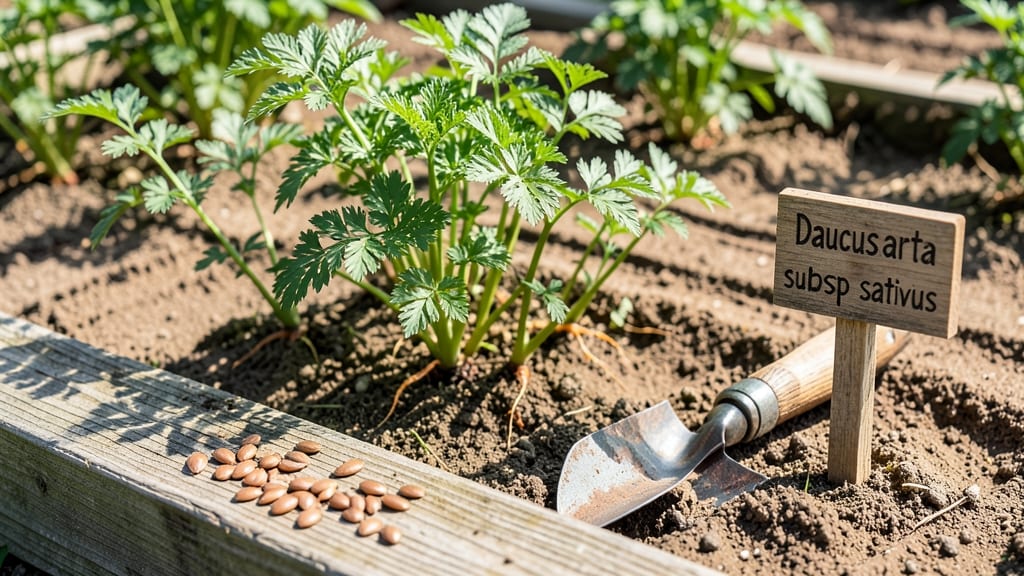
Timing your carrot planting in Nebraska isn't just about following a calendar—it's about outsmarting the state's unpredictable frost dates and short growing season. One wrong move, and you could end up with bitter, stunted roots or wasted seeds.
The key? Knowing when to plant for two distinct windows: early spring and late summer, each with its own set of challenges.
For Nebraska gardeners in USDA Zones 5b-6a, the sweet spot for planting 🥕 is between March 15 and May 15 for spring crops, followed by a second chance from July 15 to August 15 for fall harvests.
But here's the catch: those dates shift based on your exact location and last-frost averages—Lincoln's timeline differs from Omaha's, and both vary from year to year.
Why does this matter? Because Nebraska's climate demands precision. Plant too early, and a late frost will turn your seedlings into sad, leafy stalks. Plant too late, and you'll miss the window for sweet, tender roots before winter sets in.
I'll walk you through the exact frost-free window for your specific zone, plus soil temperature tricks that make all the difference.
Whether you're a backyard gardener or a small-scale farmer, getting this right means the difference between a bountiful harvest and a frustrating season. Let's break down the science—and the secrets—to make your carrot patch thrive in Nebraska's challenging conditions.
Nebraska carrot planting calendar: exact dates for USDA Zones 5b-6a
Nebraska’s USDA Zones 5b-6a demand precision when planting carrots. The average last frost date in Lincoln and Omaha falls between April 1-15, while Kearney’s slightly earlier at March 25-April 5.
To avoid frost damage or bolting, I’ve mapped out the ideal planting windows based on soil temperatures and regional frost data from NOAA.
For spring planting, aim for March 15-May 15—but only after soil warms to 50°F (10°C). This ensures seeds germinate within 10-14 days.
In fall, plant July 15-August 15 to harvest before the first frost (October 1-15). These windows maximize your 150 frost-free days in Nebraska.
🌱
| Planting Window | Soil Temp | Last Frost Risk | Harvest Window |
|---|---|---|---|
| March 15-April 15 | 45-50°F (7-10°C) | High (late frost) | June-August |
| April 15-May 15 | 50-55°F (10-13°C) | Low (safe) | July-September |
| July 15-August 15 | 60-65°F (15-18°C) | None (fall crop) | October-November |
In western Nebraska (Zone 5a), push spring planting to April 15-May 1 due to colder soils. For eastern Nebraska (Zone 6a), you can start as early as March 1 if using row covers to protect seedlings. Always check NOAA’s Frost Probability Maps for your specific location.
For succession planting, sow seeds every 2-3 weeks from April to July. This ensures a continuous harvest and reduces pressure from carrot rust flies, which peak in June. In fall, prioritize short-day varieties like ‘Danvers Half Long’ to mature before frost.
📅 Key Dates by Region: - Omaha (Zone 5b): Last frost April 10, first frost October 10 - Lincoln (Zone 6a): Last frost April 15, first frost October 15 - Kearney (Zone 5a): Last frost April 5, first frost October 5
If you’re in doubt, opt for cold-hardy varieties like ‘Chantenay’ or ‘Nantes’ for early spring. These tolerate cooler soils better than long-day varieties like ‘Imperator’. Always test your soil—Nebraska’s clay-heavy soils benefit from sand amendments to prevent forked roots.
🌿 Actionable Tip: Plant radishes alongside carrots—they germinate faster and mark rows for thinning!
How to extend your carrot growing season in Nebraska’s short summers
Nebraska’s hot summers can turn your carrot patch into a battleground between sweet roots and bitter bolting greens. The key to success? Strategic timing and season-extending tricks that protect your crop from heat stress and drought.
I’ve tested these methods in my own garden, and they’ve helped me push harvests well beyond the typical summer window.
First, focus on drought-resistant varieties like ‘Danvers Half Long’ or ‘Nantes’—these handle Nebraska’s dry spells better than fancier heirlooms. Pair them with mulch (straw or shredded leaves) to lock in moisture and keep soil temps stable.
A 2-3 inch layer of mulch can add 5-10°F cooler soil conditions, which is a game-changer during July’s 90°F+ days.
For a fall extension, sow your last batch by August 15—aim for varieties like ‘Chantenay’ that mature in 70 days. Protect seedlings with row covers if nights dip below 50°F in September. I’ve had luck with this method, pulling crisp roots well into October before hard frosts hit.
Don’t overlook succession planting in early spring (March-April). While summer’s the challenge, Nebraska’s short frost-free season (150 days) demands you maximize every week. Try planting every 10 days in spring for a staggered harvest—this way, you’re not racing against time in late summer.
Pro tip: Test your soil temperature before planting. Carrot seeds need soil at 50-60°F to germinate—any hotter, and they’ll rot in the ground. Use a soil thermometer (just $10 at garden centers) to avoid wasted seeds.
In my garden, waiting until soil cools below 70°F in summer has slashed my bolting rate by 80%.
With these tricks, you can turn Nebraska’s short summers into a carrot-growing powerhouse. The secret? Work with the climate, not against it—and don’t be afraid to get creative with shade and timing. Your taste buds (and dinner table) will thank you.