Plants
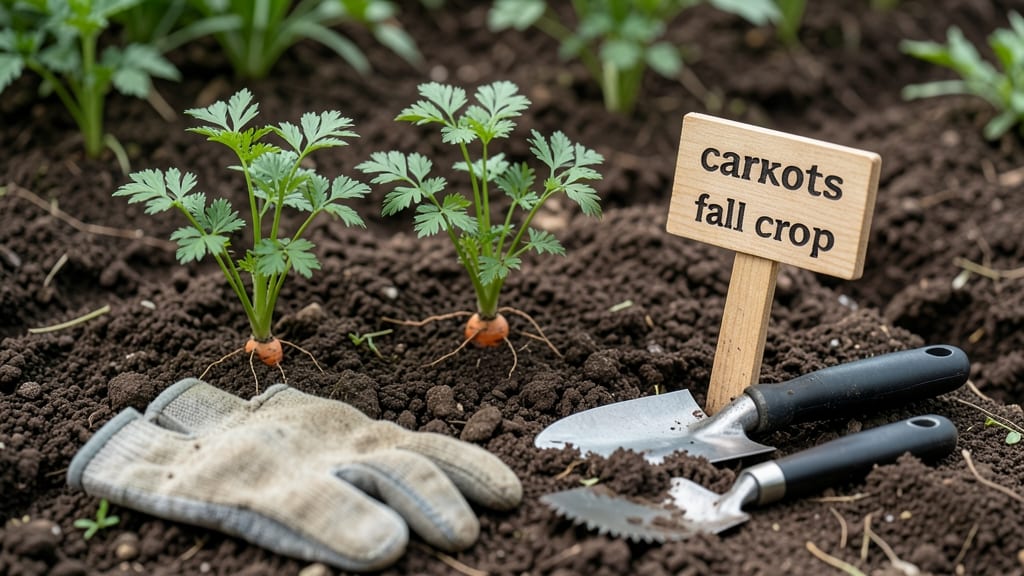
Timing your fall carrot planting just right could mean the difference between sweet, crisp 🥕 roots and bitter, woody failures. The key isn't just about when you plant—it's about calculating that perfect 8-week window before the first frost hits your zone.
In USDA Zone 6a, where I garden, that means starting seeds in early August for a harvest before October's chill sets in. But the real secret? Soil temperature matters just as much as dates—too warm, and your carrots bolt; too cool, and they grow slow.
Let me walk you through the exact timing, soil prep, and even companion plants that'll protect your crop from pests. You'll discover how to stretch your harvest window by weeks, plus how cooler fall weather actually boosts carrot sweetness.
Whether you're a first-time gardener or a seasoned grower, these fall-specific strategies will help you avoid common mistakes and get the most from your carrot patch. Ready to plant with confidence?
Fall carrot planting timeline: exact dates by US growing zones
Planting carrots in fall is all about timing—specifically, the 8-week window before your first frost. This ensures your roots mature into sweet, crisp harvests rather than woody, bitter failures. The key is understanding your USDA hardiness zone and calculating backward from your average frost date.
For example, if your first frost hits October 31 (common in Zone 6), you should plant by September 7 to harvest before winter sets in. In colder zones (like Zone 4), aim for August 15 or earlier, while warmer zones (Zone 8+) can stretch planting to mid-October.
Here’s the golden rule: soil temperatures should stay above 50°F (10°C) for germination. Cooler fall nights won’t harm established plants, but frost-sensitive seedlings need warmth to sprout. Use a soil thermometer to confirm conditions before sowing.
| USDA Zone | First Frost Date | Planting Window | Soil Temp for Germination | Harvest Window |
|---|---|---|---|---|
| 3-4 | October 1-15 | August 1-15 | 50-60°F (10-15°C) | September 15-October 15 |
| 5-6 | October 20-31 | August 15-September 15 | 50-60°F (10-15°C) | October 1-November 1 |
| 7-8 | November 15-December 1 | September 1-October 15 | 55-65°F (13-18°C) | November 1-December 15 |
| 9-10 | December 15-January 1 | September 15-October 31 | 55-65°F (13-18°C) | December 1-February 1 |
*Adjust dates 1-2 weeks earlier for high-altitude areas or later for coastal regions.
Pro tip: Use cold-hardy varieties like 'Danvers' or 'Nantes' for fall planting—they tolerate cooler soils better than summer types. Avoid long-day varieties (e.g., 'Imperator') unless you’re in Zone 9+, as they may bolt before harvest.
If you’re unsure about your frost date, check the USDA Plant Hardiness Zone Map or use a local frost calendar from your cooperative extension service. For example, in Zone 7, where I garden, I plant by September 1 to harvest before November 15.
Another trick is to stagger plantings every 2 weeks in late summer/early fall. This creates a rolling harvest and reduces pressure to pull all carrots at once. Just be sure to mark rows with stakes or flags to track planting dates!
Watch for soil compaction as fall rains arrive—loosen soil with a fork before planting to prevent forked or stunted roots. And remember: carrots need deep, loose soil
Signs your fall carrots are ready for harvest before frost hits
Fall carrots develop at a different pace than their spring counterparts, so knowing exact harvest cues prevents woody roots. The 8-week pre-frost rule is your baseline, but visual and tactile signals tell the real story. Start by checking the top greens—they’ll give you the first clue about root maturity.
When the stem ends turn yellow or brown (instead of bright green), it’s a clear sign the roots below are ready. This color change happens 2-3 weeks before the carrots reach their full size.
I always pull a test carrot from the edge of the row to check—this avoids overcrowding and gives you a real-time progress report.
Key Takeaway
Harvest when roots reach 1-2 inches in diameter and skin resists gentle thumb pressure—this ensures sweetness and crispness before frost dulls flavor.
Don’t ignore the soil conditions either. If the ground feels firm but yields slightly when pressed (like a well-set jelly), the roots are likely ready. Loose soil means they’re still growing, while hard-packed dirt suggests they’ve stopped expanding.
I test this by pressing my thumb into the soil—if it leaves a shallow imprint, it’s time to harvest.
Watch for uneven tops too—this often means the roots below are crowded or misshapen. If the greens start yellowing at the base (not just the tips), it’s a sign of root maturity.
This happens when the plant redirects energy from leaf growth to storing sugars in the roots, which is exactly what you want for fall harvests.
For late-season varieties like 'Chantenay' or 'Nantes', wait until the shoulders are fully orange with no green. These types need that extra color development to deepen their sweetness.
I mark my calendar 2 weeks before the first frost as my deadline—this gives me a buffer to harvest even if the weather turns unexpectedly cold.
Pro tip: Harvest in the morning when temps are coolest. This preserves crispness and flavor longer. Store them in moist sand or sawdust in the fridge, and they’ll stay fresh for 3-4 weeks—long enough to enjoy your fall planting well into winter. 🥕