
Plants
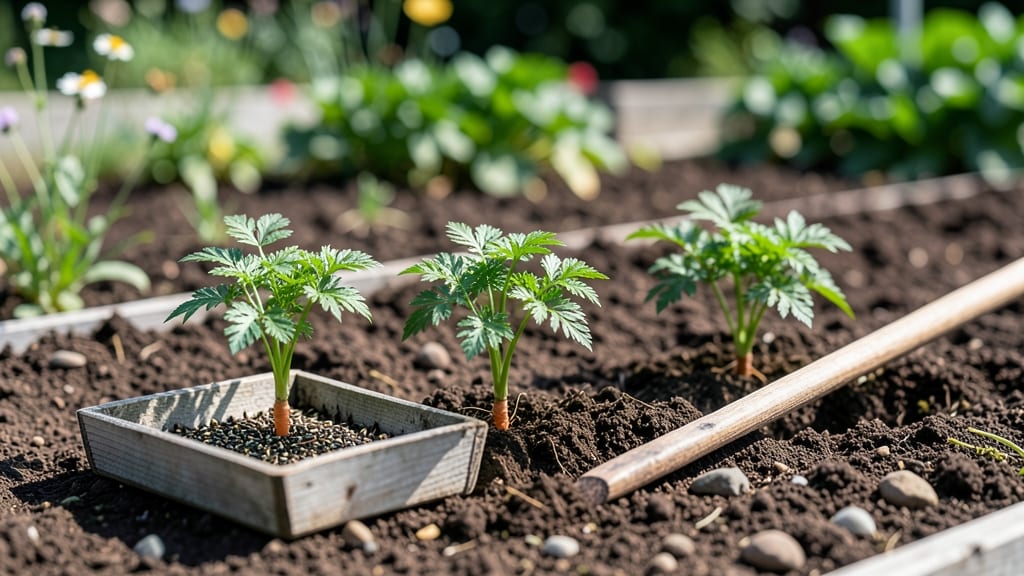
Timing your 🥕 carrot planting in East Texas isn't just about following a calendar—it's about outsmarting the region's unpredictable swings from frost to scorching heat.
Plant too soon, and a late freeze will turn your seeds to mush; wait too long, and summer's intensity will leave you with bitter, stringy roots instead of the sweet, crisp harvest you crave.
Here's the secret: East Texas gardeners know the two perfect windows—late winter and early fall—when soil temperatures and daylight align just right for carrots to thrive.
Whether you're a seasoned gardener or just starting your green thumb journey, getting this timing right could mean the difference between a garden full of disappointment and a pantry stocked with homegrown goodness.
What you're about to discover isn't just planting dates—it's a step-by-step roadmap tailored to East Texas' unique climate. We'll cover everything from preparing your soil to beating the summer heat, so you can grow carrots that are sweeter, straighter, and ready to harvest at their peak flavor.
Let's get your garden on the fast track to success—because in East Texas, the key to perfect carrots isn't luck, it's knowing exactly when to plant them.
Best planting windows for carrots in East Texas climate zones
East Texas gardeners face unique challenges with carrot planting due to its humid summers and variable frost dates.
The key to success lies in understanding your USDA Zone 7a-8a microclimates—northern areas like Tyler and Longview have later last frosts (around March 15) compared to southern regions like Beaumont or Houston, where frost arrives earlier in November.
Timing your plantings to avoid these extremes ensures sweet, crisp roots instead of bitter or woody ones.
Carrots thrive in cool-season conditions, making spring and fall the ideal planting windows. In East Texas, this translates to two primary windows: late February through early March for spring crops and August through early September for fall harvests.
These timings align with soil temperatures between 50°F and 85°F, perfect for germination and growth without stressing the plants.
Here’s how East Texas’ distinct regions differ in their optimal planting schedules, accounting for local frost patterns and heat tolerance:
| Region | Spring Planting Window | Frost Risk | Fall Planting Window | Heat Risk |
|---|---|---|---|---|
| North (Tyler, Longview) | Late February–Early March | High (last frost: March 15) | August 15–September 1 | Moderate (humidity spikes) |
| Central (Athens, Huntsville) | Mid-February–Late March | Moderate (last frost: March 1) | August 1–August 15 | High (summer heat) |
| South (Beaumont, Houston) | Early February–Mid-March | Low (last frost: February 28) | July 31–August 15 | Very High (humidity + heat) |
For spring plantings, aim to sow seeds 4-6 weeks before your last frost date. In East Texas, this means late February to early March for most areas.
Use row covers or cold frames if planting earlier to protect tender seedlings from unexpected 28°F frosts, which can kill young carrots. Soil temperatures should be at least 50°F for successful germination—colder soils delay sprouting and attract pests like carrot rust flies.
Fall plantings require even more precision. Start seeds 10-12 weeks before your first frost, typically August through early September. This ensures carrots mature before November’s first frost but avoids the oppressive summer heat that causes bolting (premature flowering) or woody roots.
In southern East Texas, where summers linger longer, opt for heat-tolerant varieties like ‘Danvers Half Long’ or ‘Nantes’, which handle slightly warmer soils better than standard types.
Pro tip: Use a soil thermometer to monitor temperatures. Carrot seeds need consistent moisture and warmth—ideal germination occurs at 70°F soil temp. If your soil runs cooler (common in clay-heavy East Texas soils), consider black plastic mulch to warm the soil faster and retain moisture.
One common mistake is assuming “early spring” means January planting. Don’t fall for this! Carrots planted in January or February often rot in soggy, cold soils or get fried by late-spring heat waves. Instead, wait until soil temperatures stabilize above 50°F—usually mid-to-late February—for reliable results.
For gardeners in Zone 8a (like Beaumont), you can push the envelope slightly. Try a “winter” crop by planting in October and harvesting before January’s occasional frosts. Just be prepared to cover plants with frost cloth on chilly nights to protect tender foliage.
Remember, succession planting is your secret weapon. Sow new batches of seeds every 2-3 weeks during your chosen window to ensure a continuous harvest. This works especially well for fall plantings, where staggered sowings can extend your table supply from October through December.
How to extend your carrot harvest season in hot Texas summers
East Texas summers can turn your carrot patch into a woody disappointment if you don’t plan ahead. The key to beating the heat? Succession planting, shade strategies, and heat-tolerant varieties—all tailored to our region’s brutal humidity and 90°F+ days.
I’ve grown carrots here for years, and these tricks keep my harvests crisp and sweet even in July.
Start by choosing heat-tolerant varieties like Danvers Half Long or Nantes, which handle Texas summers better than standard types. These varieties mature faster (60-70 days) and resist bolting—the sudden flowering that turns carrots bitter.
Plant them in late July or early August for a fall harvest before winter sets in.
Here’s my proven 3-step heat-beating plan for East Texas gardens:
- 1 Use shade cloth (30-50%) over young seedlings to block intense afternoon sun. Secure it with stakes—avoid plastic mulch, which traps heat and dries soil faster.
- 2 Water deeply in the morning (1 inch per week) and mulch with straw or wood chips to retain moisture. Clay soils in East Texas dry out fast—check soil moisture 2 inches deep before watering.
- 3 Plant in raised beds with sandy loam (amend clay with compost) to improve drainage. Raised beds stay cooler and let you plant every 2 weeks from March to September for continuous harvests.
For a year-round harvest, stagger plantings every 3 weeks from February to September. Use short-day varieties like Paris Market for late-summer sowings—they mature before bolting. And don’t forget: Harvest small (½-inch diameter) to avoid tough, fibrous roots in heat.
Pro tip: Avoid planting in June—soil temps often exceed 85°F, which stunts germination. Instead, wait until late July when temps dip slightly, or use a seedling tray to start indoors and transplant after the dog days.
With these adjustments, you’ll enjoy crisp, sweet carrots from spring through fall—no more sacrificing flavor to the Texas heat! 🥕💧☀️