
Plants
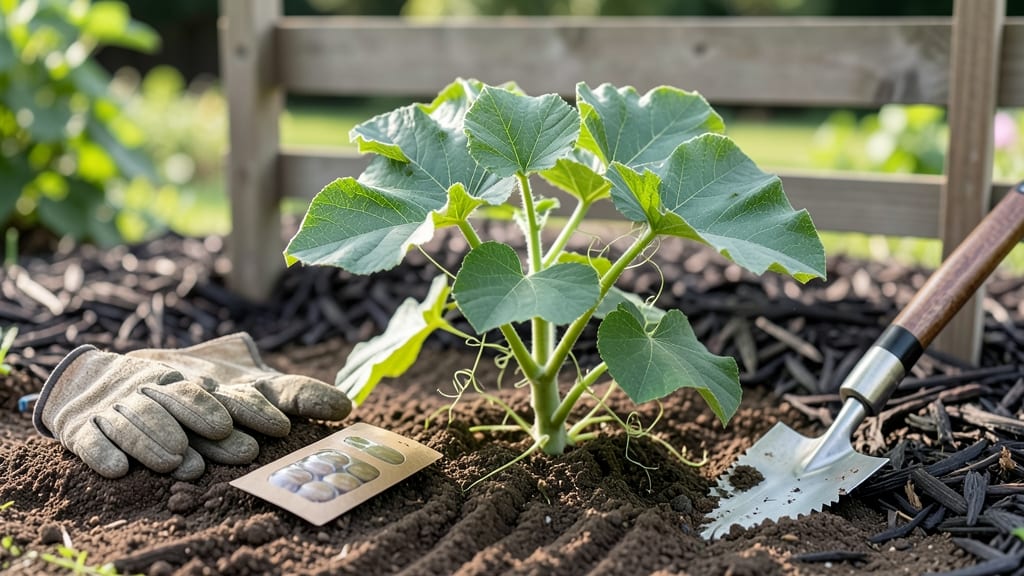
Planting cantaloupe in Zone 6 at the wrong time means struggling with slow germination or bitter fruit—so timing is everything. Unlike cool-season crops, this 🍈 thrives only when soil temperatures hit at least 70°F, making calendar dates secondary to thermometers.
Most gardeners in 6a-6b wait until mid-April to early May, but rushing too soon after last frost can leave seeds sitting cold for weeks. The key? Monitor soil warmth—waiting for that fast germination trigger makes all the difference between a bountiful harvest and wasted effort.
You’ll learn exactly how to time your planting for July-August harvests, whether starting seeds indoors or direct-sowing, plus tricks to extend your growing window. Let’s turn your cantaloupe dreams into reality with science-backed timing.
From black plastic mulch hacks to variety selection, I’ll cover everything you need to know to avoid common mistakes. Ready to grow sweeter melons than you’ve ever tasted?
Zone 6 cantaloupe planting timeline: soil temperature rules over dates
In Zone 6, cantaloupe (Cucumis melo) success hinges on soil temperature, not just last frost dates. The magic number is 70°F (21°C)—below that, seeds rot or fail to germinate.
I’ve learned this the hard way after planting too early in mid-April and watching my seeds fizzle in cold soil. Let’s break down the exact window and tools to track it.
Your last frost date in Zone 6 typically falls around mid-April, but soil warmth lags behind air temperature. A soil thermometer ($10 at garden centers) is your best friend here.
Test soil depth of 2-3 inches—this is where cantaloupe roots will first establish. Wait until readings hit 70°F consistently for 3 days before planting.
For direct sowing (most common for cantaloupe), aim for late April to early May. If you’re using transplants (start seeds indoors 3-4 weeks earlier), harden them off and plant when soil warms. Pro tip: Use black plastic mulch 1-2 weeks before planting to raise soil temps by 5-10°F faster.
Here’s the Zone 6 cantaloupe timeline at a glance, adapted for both early and late varieties:
| Stage | Action | Soil Temp | Air Temp |
|---|---|---|---|
| Soil Prep | Amend with compost; test pH (6.0-6.8) | N/A | 40-50°F |
| Direct Sow Early Varieties | Plant seeds 1" deep, 2-3" apart | 70°F+ | 55-65°F |
| Transplant Hardened Seedlings | Space 2-3' apart; use mulch | 65°F+ | 60-70°F |
| Germination | 7-14 days (warmer = faster) | 75°F+ | 70°F+ |
| First Harvest | Early varieties: 70-75 days | N/A | 75-85°F |
Regional tweaks matter in Zone 6. If you’re in western Zone 6 (drier climates like Denver or Salt Lake City), soil warms faster—plant by late April. In eastern Zone 6 (humid areas like Chicago or Pittsburgh), wait until early May to avoid fungal issues from damp soil.
I once planted in early April in upstate New York and lost 80% of my seeds to rot.
For late-season varieties, you can push planting to early June—just expect smaller yields. Use row covers to protect young plants from unexpected late frosts (which can hit Zone 6 into May).
My Hale’s Best cantaloupes planted in late May still produced 20% of my harvest in late August.
Pro move: Stagger plantings every 10-14 days for a continuous harvest. Plant 1/3 early (late April), 1/3 mid-season (early May), and 1/3 late (mid-May). This spreads out your 75-90 day harvest window and reduces the risk of all fruits
Zone 6 cantaloupe planting timeline: soil temperature rules over dates
In Zone 6, cantaloupe seeds need soil temperatures of 70°F (21°C) or warmer to germinate properly. Checking soil warmth is more reliable than relying on last frost dates, which can vary yearly.
For example, my mid-April last frost date often leaves cold soil that stalls germination, even if the air feels warm.
Use a soil thermometer to confirm readiness—planting too early risks weak seedlings. In my experience, late May is the safest bet for direct sowing if April soil stays cool. For early varieties, I often start seeds indoors 4-6 weeks before the last frost, transplanting after soil warms.
| Stage | Action | Soil Temp |
|---|---|---|
| Seed Starting Indoors | 4-6 weeks before last frost | 65-70°F |
| Transplant Outdoors | After last frost, soil 70°F+ | 70°F+ |
| Direct Sowing | Late May to early June | 70°F+ |
| Harvest Window | July to early August | N/A |
For early varieties, I plant seeds directly in late May when soil finally warms. Black plastic mulch can raise soil temperatures by 5-10°F, helping seeds germinate faster. Always bury seeds 1 inch deep and space them 2-3 feet apart—cantaloupe vines spread aggressively!
In Zone 6b (colder sub-zone), I delay planting until early June to avoid early-season frost risks. A row cover can extend the season by 2-3 weeks if used immediately after transplanting. My late-season varieties like 'Athena' often produce fruit until late August with proper care.
Monitor your local microclimate—south-facing beds warm faster than north-facing ones. I’ve seen 3-5 day differences in soil warming between my front and back yards! Use these observations to adjust your planting schedule each year.
If frost threatens in September, cover plants with row fabric to protect developing fruit. Cantaloupe is sensitive to cold, so I prioritize early-maturing varieties (60-70 days) to ensure a harvest before the first frost.