
Plants
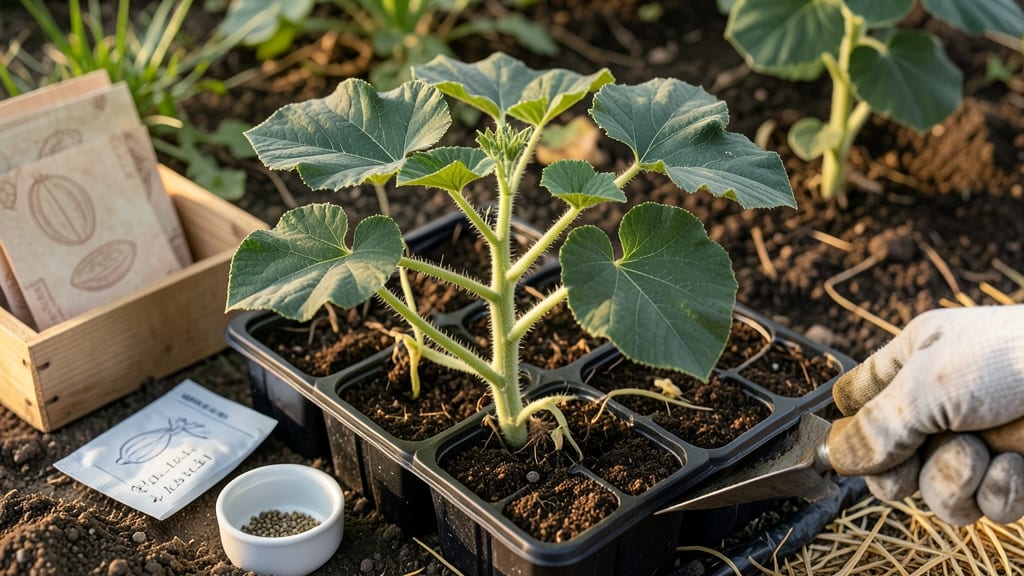
Timing your cantaloupe planting in Indiana wrong can mean the difference between a bountiful harvest and wasted effort—especially when unpredictable spring weather throws a curveball.
The key to success lies in waiting for that 70°F soil temperature, which typically aligns with late April to mid-May for most of the state. Skipping this step often leads to slow germination or seedlings that simply won’t thrive, no matter how much care you put into them.
If you’ve ever planted cantaloupe 🍈 only to watch your seeds sit stubbornly in cold soil, you know how frustrating it can be. Indiana’s USDA Zone 6a climate demands patience, but the payoff—juicy, homegrown melons from July through September—makes it worth the wait.
The secret isn’t just about dates; it’s about reading your soil and understanding when it’s truly ready to support those delicate vines.
Let’s cut through the guesswork and focus on what actually works in Indiana gardens. From choosing the right varieties to using black plastic mulch for faster soil warming, I’ll walk you through the proven strategies that local growers swear by.
Whether you’re a first-timer or a seasoned gardener, these tips will help you avoid common pitfalls and set your cantaloupe plants up for success from day one.
Ready to transform your garden into a cantaloupe oasis? By the end of this guide, you’ll know exactly when to plant, how to prep your soil, and which varieties will thrive in your backyard.
Let’s get those seeds in the ground at the perfect moment—because in Indiana, timing really is everything.
Indiana’s ideal cantaloupe planting timeline based on soil temperature
Indiana gardeners know that timing is everything when planting cantaloupes. These heat-loving plants won’t germinate until soil temperatures hit 70°F or warmer. In most of Indiana (USDA zones 5b-6a), this typically aligns with mid-to-late May, but regional variations exist.
For southern Indiana (zones 6a), you might start as early as April 20 if your soil warms quickly. Northern Indiana (zone 5b) gardeners should wait until May 10 or later to avoid frost damage.
Always check your local average last frost date—Indiana’s ranges from April 15 (south) to May 1 (north).
Here’s how to test your soil temperature accurately: Use a soil thermometer buried 2 inches deep. If it reads below 70°F for more than a week, delay planting. Black plastic mulch can warm soil 5-10°F faster, extending your planting window by 1-2 weeks.
Direct sowing is preferred for cantaloupes, as they hate transplant shock. However, if you start seeds indoors, wait until soil is warm enough (70°F) and harden off seedlings for 7-10 days before transplanting. This method works best for early May plantings.
Indiana’s 165 frost-free days create a tight window for cantaloupe success. Plant too early, and you risk frost damage or slow germination. Plant too late, and your vines may not mature before the first frost (mid-October).
Aim for a 70-90 day harvest window, meaning your last planting should occur by July 15.
| Stage | Action | Indiana Timeline |
|---|---|---|
| Soil Prep | Test pH (6.0-6.8), amend with compost | Early April |
| Direct Sow | Plant seeds 1" deep, 3-4 ft apart | Mid-May (south) to Late May (north) |
| Germination | Keep soil moist (70°F+ required) | 7-14 days |
| Thinning | Remove weak seedlings, leave strongest | 3-4 weeks after sowing |
| Harvest | Pick when stem slips easily | July-September |
Indiana’s clay-heavy soils in many regions can delay soil warming. To speed things up, try these three proven methods:
1. Black plastic mulch: Lays 2-3 weeks earlier than bare soil 2. Raised beds: Warm up 2-3°F faster than ground soil 3. Row covers: Protect young seedlings from late frosts (May 1-15 risk window)
If you’re in northern Indiana, consider starting seeds indoors under grow lights (70°F soil temp) and transplanting after May 15. Use biodegradable pots to avoid root disturbance.
For extended harvests, make successive plantings every 2 weeks until July 1. This staggered approach ensures fruit ripens throughout July-September, Indiana’s peak cantaloupe season.
Remember: Cantaloupes need full sun (8+ hours daily) and well-draining soil. If your garden spots get less than 6 hours of sun, skip cantaloupes—they simply won’t thrive. 🍈
Indiana’s ideal cantaloupe planting timeline based on soil temperature
Indiana’s USDA Zone 6a climate means cantaloupe seeds need warm soil—at least 70°F—to germinate properly. Planting too early in cold soil results in seeds that rot or fail to sprout, wasting your time and resources.
The ideal window for direct sowing in most of Indiana falls between April 15 and May 15, but this can shift slightly depending on your microclimate.
Northern Indiana (closer to Zone 5) may need to wait until mid-to-late May, while southern Indiana can start as early as early April in sheltered microclimates.
Always check your local last frost date—typically around April 15 for central Indiana—and wait at least 2 weeks after this date before planting.
To test soil temperature accurately, use a soil thermometer buried 2 inches deep in the ground. Morning is the best time to check—soil cools overnight, so aim for a consistent reading of 70°F or warmer for at least 3 consecutive days. This consistency is crucial for reliable germination.
| Stage | Action | Indiana Timeline |
|---|---|---|
| Soil Prep | Test soil temperature & amend with compost | March 15 - April 1 |
| Direct Sowing | Plant seeds 1 inch deep, 2 feet apart | April 15 - May 15 |
| Transplanting | Move seedlings with 2-3 leaves, harden off first | May 1 - May 15 |
| Germination | Expect sprouts in 7-14 days at 70°F+ soil | May 1 - May 30 |
| Harvest Ready | Fruits ripe when stem slips easily | July 15 - September 1 |
For faster soil warming, use black plastic mulch—this can raise soil temperatures by 5-10°F, allowing you to plant 1-2 weeks earlier in the season. Lay the mulch down 1-2 weeks before planting to give the soil time to heat up.
This trick is especially useful in northern Indiana where springs tend to be cooler.
If you’re transplanting seedlings, start them indoors 3-4 weeks before your target outdoor planting date. Use biodegradable pots to avoid disturbing roots during transplanting.
Harden off seedlings by exposing them to outdoor conditions for 1 week before moving them to the garden—this helps them adjust to Indiana’s variable spring weather.
Remember, cantaloupe vines thrive in warmth, so don’t rush the process. Patience now means a bountiful harvest later—just imagine those ripe, sweet melons ready to pick by midsummer! 🍈