
Plants
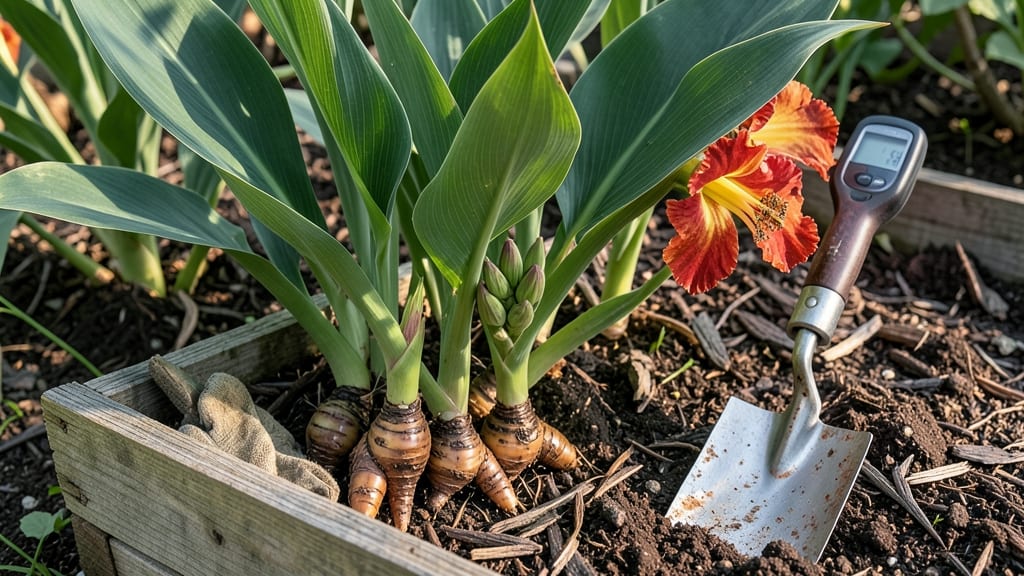
Timing your canna planting in Kansas could mean the difference between a stunning 🌺 display and a sad, frost-nipped failure. With Kansas' unpredictable spring and brutal summer heat, getting those rhizomes in the ground at just the right moment is the key to success.
Most gardeners wait until after the last frost—typically late April to early June—but soil temperature matters just as much. Planting too early when the ground is still chilly can stunt growth, while waiting too long risks missing the window for strong root establishment before summer's intensity kicks in.
In this guide, I’ll break down exactly when to plant cannas in your specific Kansas zone, whether you’re in the cooler 5b areas or the warmer 7a regions.
You’ll also learn how to prep your soil, choose the right varieties, and protect your plants from Kansas’ infamous late frosts and scorching summers.
Ready to grow cannas that thrive from spring to fall? Let’s get your planting schedule nailed down so you can enjoy those bold blooms all season long.
Kansas heat-Zone map: when to plant cannas by USDA Zone
Kansas spans USDA Zones 5b-7a, meaning your canna planting window shifts slightly depending on where you live. In Zone 7a (southern Kansas), you can plant as early as mid-April after the last frost, while Zone 5b gardeners in the north should wait until late May to avoid frost damage.
The key factor isn’t just frost dates—it’s soil temperature. Cannas need soil that’s warmed to at least 60°F (15°C) to sprout properly. In Kansas, this typically happens between late April and early June, depending on your location.
Here’s how to match your Kansas county to the right planting window:
| USDA Zone | Last Frost Date | Ideal Planting Window | Soil Temp Threshold |
|---|---|---|---|
| Zone 5b (Northern KS) | April 20-May 5 | Late May (after May 15) | 60°F+ (consistent) |
| Zone 6a (Central KS) | April 10-April 25 | Late April-Early May | 60°F+ (early May) |
| Zone 7a (Southern KS) | March 25-April 10 | Mid-April-Late April | 60°F+ (late March) |
Use a soil thermometer to confirm your garden beds have reached 60°F before planting. In Wichita (Zone 7a), this often happens by mid-April, while Topeka (Zone 6a) may not hit this mark until early May.
Pro tip: Check your local Kansas State University Extension office for your exact county’s frost dates. They track real-time data that’s more precise than general zone maps.
If you’re in Zone 5b and worried about short summers, opt for early-maturing varieties like ‘Striped’ or ‘Dwarf Purple’, which bloom faster and produce tubers earlier in the season.
For gardeners in Zone 7a, you can even experiment with fall planting (September) if you want to extend your growing season—but this requires heavy mulching to protect tubers from early frosts.
Remember: Cannas are tender perennials, meaning they’ll die back in winter but can be dug up and stored indoors. In Kansas, this makes spring planting the safest bet for beginners.
🌺
Step-by-step guide: preparing Kansas soil and planting cannas for maximum survival
Kansas summers bring intense heat and dry spells, so preparing your soil properly is the first step to canna success. These tropical-looking plants need well-draining, nutrient-rich soil to establish roots quickly before the heat peaks.
I always test my soil’s pH—cannas prefer a slightly acidic to neutral range of 6.0-7.0—and amend it with compost or aged manure if needed.
For drainage improvement, I mix in perlite or coarse sand, especially in heavy clay soils common across Kansas.
Poor drainage is a silent killer for cannas, leading to root rot. Mulching with straw or shredded leaves helps retain moisture while keeping roots cool during those 90°F+ days we all dread.
🌱 Step-by-Step Planting Guide for Kansas Cannas
- 1. Choose the Right Variety: Opt for hardy canna varieties like 'Australia' or 'Durban'—they tolerate Kansas’s heat better than tropical types.
- 2. Wait for Soil Warmth: Plant only when soil reaches 60°F+ (use a soil thermometer). In Kansas, this is typically late May in most zones.
- 3. Plant Rhizomes Deeply: Bury canna rhizomes 2-4 inches deep, with the eyes facing up. Space them 18-24 inches apart for full-size plants.
- 4. Water Thoroughly: Give a deep soak immediately after planting, then water weekly during dry spells (Kansas summers demand this!).
- 5. Apply Mulch: Cover the soil with 2-3 inches of mulch to lock in moisture and regulate temperature.
Timing your planting is critical—wait until after the last frost date, which in Kansas typically falls between April 15 and May 15, depending on your location.
I’ve learned the hard way that planting too early risks frost damage, while waiting too long can stunt growth before summer’s peak. Early June is my safety net if spring is slow to warm up.
When selecting a planting spot, prioritize full sun exposure (6+ hours daily) but avoid areas with harsh afternoon winds. Cannas love heat but appreciate some afternoon shade in the hottest parts of Kansas, like Wichita or Garden City.
A southeast-facing bed often works best, giving morning sun without the brutal western heat.
After planting, I monitor my cannas closely for the first 30 days, adjusting watering based on rainfall. During Kansas’s drought-prone summers, I increase watering to bi-weekly deep soaks to prevent stress. A balanced fertilizer (10-10-10) applied every 4-6 weeks keeps them blooming until frost.
Pro tip: If you’re in Zone 6b or colder, treat cannas as annuals—dig up rhizomes before frost and store them in a cool, dry place.
In warmer zones, they may overwinter with heavy mulch, but I’ve had mixed success, so I play it safe and dig them up yearly.