
Plants
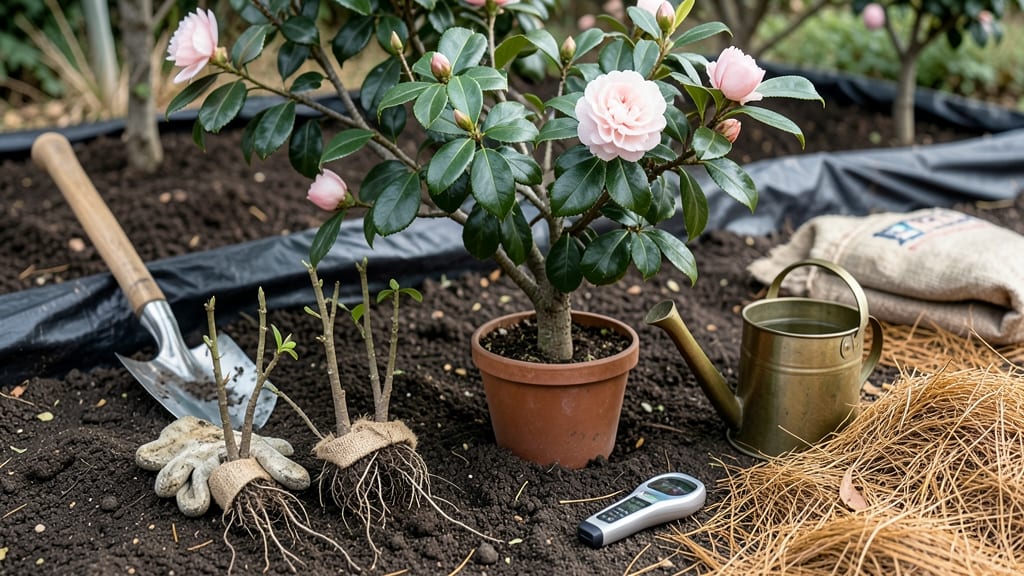
Timing your camellia planting in NC could mean the difference between a thriving 🌸 shrub and one that struggles to survive the state’s unpredictable chill hours. These elegant evergreens need precise care, especially in zones 6b-8a, where frost dates shift dramatically between the mountains and coast.
Most gardeners in North Carolina know fall is the prime window—October through November—but did you realize early spring (February-March) can also work for warmer microclimates? The key lies in understanding your specific chill-hour zone and avoiding transplant shock during flowering season.
In this guide, I’ll break down exactly when to plant based on your region, how to prep soil for optimal drainage, and why mulching matters more than you think. Whether you’re in the Piedmont or coastal plains, these tips will help your camellias establish strong roots before winter’s first frost.
Ready to transform your landscape with blooms that last from winter into spring? Let’s dive into the science behind NC’s perfect planting windows and the care secrets that keep camellias flourishing for decades.
NC chill-hour zones: how to match camellias to your region
North Carolina’s diverse climate—from the cooler mountains to the humid coast—means not all camellias thrive equally. The key to success lies in chill-hour zones, which measure winter cold exposure needed for dormancy.
Most NC gardeners live in zones 7b-8b, where Sasanqua and Japonica varieties excel, but timing varies by region.
Camellias need 400-1,000 chill hours (temperatures between 32°F and 45°F) to bloom reliably. In zone 7b (e.g., Asheville), plant late fall (November) to ensure roots harden before winter.
In zone 8a (e.g., Raleigh), extend planting to early December, while coastal zone 8b (e.g., Wilmington) allows January planting with minimal risk.
⚠️ Critical: Avoid planting when temperatures drop below 40°F—roots can’t establish in cold soil. Use a soil thermometer to confirm ground temps are above 50°F before planting.
| Zone | Chill Hours | Best Varieties | Planting Window |
|---|---|---|---|
| 7b (Mountains) | 600-800 | Sasanqua, 'Yuletide' | Late October–November |
| 8a (Piedmont) | 400-600 | Japonica, 'Winter’s Star' | November–December |
| 8b (Coastal) | 300-400 | Sasanqua, 'Bonanza' | December–January |
🌱 Pro Tip: Test your zone using NC State Extension’s chill-hour map for precise timing.
For mountain gardeners (zone 7b), prioritize early fall planting (October) to avoid winter stress. Sasanqua camellias are hardy choices here, blooming in late fall/winter when other plants sleep. In Piedmont (zone 8a), Japonica varieties like 'Desire' shine, but plant by November 15 to prevent frost damage.
Coastal NC’s warmer microclimates (zone 8b) extend the window to January, but avoid summer planting—heat stress halts root growth. If you miss fall, spring (February-March) is your backup, but expect delayed blooms the first year.
🌿 Soil prep is non-negotiable: Camellias demand acidic soil (pH 5.0-6.0). Amend clay soils with peat moss or pine bark, and mulch with pine needles to maintain acidity. A 5-inch layer of mulch also insulates roots in winter.
Container-grown camellias adapt better to late-season planting than bare-root varieties. If buying potted plants in December/January, water deeply before transplanting and stake tall varieties to prevent wind damage. Coastal gardeners can push this to early February with minimal risk.
💡 Zone-Specific Hack: In zone 7b, wrap young plants with burlap for extra winter protection. In zone 8b, use shade cloth in summer to prevent leaf scorch from intense coastal sun.
Remember: Timing beats variety in NC. Even the hardiest camellia will struggle if planted at the wrong time. Use your local frost dates as your guide—aim for 6 weeks before first frost for bare-root plants, or 4 weeks for containers.
Frost-free deadlines: the 6-Week rule for healthy root establishment
North Carolina’s first frost dates (typically mid-October to early November) set the deadline for planting camellias. To ensure roots establish before winter, aim to plant 6 weeks before frost—this gives your camellia enough time to harden and survive NC’s chilly winters.
For most of the state, this means late September to mid-October is ideal.
Bare-root camellias need this window most critically—their delicate roots can’t handle winter stress. Container-grown plants have a slight advantage since their roots are already established, but they still benefit from planting 4-6 weeks before frost. If you miss this window, wait until early spring (February-March) when soil warms.
⚠️ Warning: Late Planting Risks
- Frost damage to tender roots if planted too late
- Transplant shock in winter’s cold soil
- Stunted growth next spring if roots don’t harden
Pro tip: Mulch heavily (3-4 inches) after planting to insulate roots and retain moisture.
Soil preparation is just as critical as timing. Camellias thrive in acidic, well-draining soil (pH 5.0-6.0). Before planting, amend your soil with peat moss or pine bark fines to mimic their native conditions. A simple soil test from NC State Extension ensures you’re on the right track.
Watering strategy makes or breaks root establishment. After planting, give your camellia a deep soak (1-1.5 gallons) to settle soil around roots. Follow up with weekly watering for the first month, then taper to bi-weekly as roots grow. Avoid overhead watering—it spreads disease.
For container-grown camellias, remove the plant from its pot and loosen roots gently before placing it in the hole. This encourages outward growth. Backfill with native soil mixed with compost, and water thoroughly. Container plants can handle slightly later planting, but avoid planting after October 15 in most of NC.
Monitor your camellia’s progress by checking for new growth in spring. If leaves appear yellow or wilted, it may need more acidic fertilizer (8-3-9 NPK) or better drainage. With the right timing and care, your camellia will reward you with vibrant blooms in 2-3 years.