
Plants
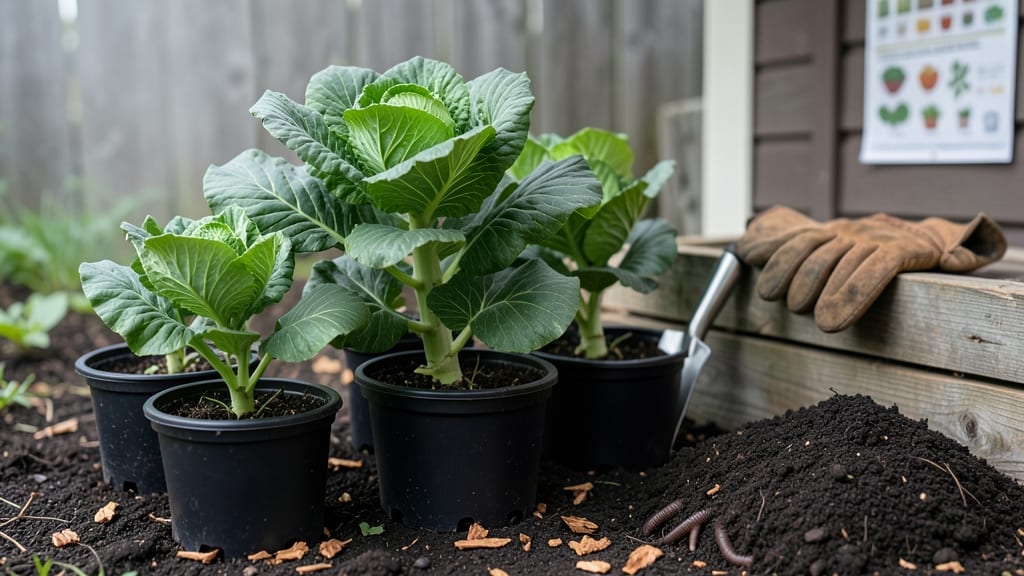
Timing your 🥬 cabbage planting in Colorado wrong could mean the difference between a thriving garden and wasted effort. The Centennial State’s dramatic elevation shifts—from 3,000-foot Front Range valleys to 7,000-foot mountain slopes—create wildly different frost-free windows.
Get it right, and you’ll enjoy crisp, homegrown heads by summer or fall. But plant too early, and a late frost will turn your seedlings into sad, wilted memories. Too late, and your cabbage bolts to seed before you ever get to harvest.
The good news? With Colorado State University’s frost data in hand, you can pinpoint the perfect window for your elevation zone.
We’ll break down exactly when to start seeds indoors versus direct-sowing outdoors, plus how to adjust for microclimates like Denver’s urban heat islands or the cooler Western Slope.
Whether you’re a first-time gardener or a seasoned grower, these elevation-specific tips will help you beat Colorado’s unpredictable weather—and end up with the healthiest, most productive cabbage crop possible.
Ready to stop guessing and start growing? Let’s dive into the frost-free planting schedule that works for your backyard—no matter if you’re at 5,280 feet or 10,000 feet.
Colorado cabbage planting calendar by elevation zone (2024)
Colorado’s three distinct elevation zones dramatically impact your cabbage planting schedule. Lowland areas (3,000–5,000 ft) enjoy earlier last-frost dates, while mountain regions (7,000+ ft) face delayed seasons. Understanding these differences ensures your cabbage thrives without frost damage or heat stress.
For successful cabbage growth, time your plantings to align with Colorado’s 120–180 frost-free days. Early spring and late summer are your best windows, but exact timing depends on elevation. Let’s break it down by zone to help you plan like a pro.
Key factors to consider: average last frost dates, soil warmth, and your cabbage variety’s mature days to harvest. Most cabbages need 60–100 days to reach maturity, so adjust your schedule accordingly.
Below is your Colorado-specific planting calendar, tailored to lowland, foothills, and mountain elevations. Use this as your roadmap to maximize yields and avoid common timing mistakes.
| Elevation Zone | Avg. Last Frost | Ideal Transplant Window | Direct Sow Window | Fall Planting Window | Notes |
|---|---|---|---|---|---|
| Lowland (3,000–5,000 ft) | Mid-April | April 15–May 15 | March 15–April 15 | July 15–August 15 | Warmest zone; best for heat-tolerant varieties |
| Foothills (5,000–7,000 ft) | Late April | May 1–May 31 | April 1–April 30 | July 1–August 10 | Moderate climate; versatile for most varieties |
| Mountain (7,000+ ft) | Early May | May 15–June 15 | April 15–May 15 | June 15–July 15 | Coolest zone; prioritize cold-hardy varieties |
If you’re growing cabbage for fall harvest, aim to transplant 100–120 days before your region’s first frost. In lowlands, this means late July; in mountains, it shifts to mid-June. Succession planting every 2–3 weeks ensures a continuous harvest.
For direct sowing (planting seeds outdoors), wait until soil temperatures reach 45°F (7°C). Mountain gardeners should use biodegradable seed-starting pots for earlier starts, then transplant hardened-off seedlings after last frost.
Colorado’s Western Slope (e.g., Grand Junction) enjoys a longer growing season than the Front Range. Adjust your schedule 1–2 weeks earlier if you’re in this region, as frost dates arrive later.
Always check Colorado State University Extension or local CoCoRaHS weather stations for real-time frost alerts. These resources provide hyper-local data that generic calendars can’t match. Protect your investment with accurate timing!
Remember: Cabbage hates heat. If temperatures exceed 80°F (27°C) for prolonged periods, heads may bolt (flower prematurely). Use shade cloth or plant in partial shade during peak summer months.
How to extend your cabbage growing season in Colorado
Colorado’s short growing season can make cabbage cultivation tricky, but with the right strategies, you can grow crisp heads from spring to fall. The key is protecting your plants from late frosts and early heat waves—both of which can ruin your harvest.
I’ve tested these methods in my garden near Fort Collins, and they’ve consistently extended my cabbage season by 4-6 weeks on either end.
Start with cold frames or row covers for early spring plantings. These create a microclimate that warms soil faster and shields seedlings from 28°F temperatures. For late-season harvests, use frost cloths or low tunnels to protect plants until the first hard frost.
Even a simple black plastic mulch can raise soil temps by 5-10°F, giving your cabbage a head start.
🌱 5 Proven Season-Extension Strategies
- 🌡️ Cold Frames: Extend spring planting by 3-4 weeks; ideal for ‘Wisconsin Winter’ varieties.
- 🧵 Row Covers: Protect from light frosts (down to 25°F) while allowing sunlight and airflow.
- 🌿 Succession Planting: Sow seeds every 2-3 weeks from March to July for continuous harvests.
- 🛡️ Frost Cloths: Delay fall harvests until mid-October in most Colorado zones.
- 🌱 Shade Cloth (Summer): Use 30% shade cloth to prevent bolting in 85°F+ heat.
For late-summer plantings, focus on heat-tolerant varieties like ‘Golden Acre’ and plant them in partial shade during peak afternoon heat. I’ve found that mulching with straw keeps roots cool while retaining moisture—a critical combo for Colorado’s dry summers.
Water deeply in the early morning to prevent fungal diseases that thrive in our humid mountain air.
Don’t overlook succession planting as your secret weapon. Instead of one massive planting, stagger seeds every 2-3 weeks from March through July. This ensures a steady supply of fresh cabbage without overwhelming your garden at once.
Pair this with fall varieties like ‘January King’ for harvests straight through winter if you’re in Zone 6 or lower.
If you’re growing cabbage in high-elevation areas (7,000+ ft), prioritize cold-hardy varieties and extend your season with greenhouses or unheated hoop houses. These structures add 10-15°F of warmth, letting you plant 6 weeks earlier in spring and harvest 3 weeks later in fall.
Just ensure proper ventilation to avoid heat buildup during summer days.
Finally, keep an eye on local frost dates—they vary wildly across Colorado. Check the Colorado State University Extension for your specific county’s averages, then adjust your timeline accordingly. With these strategies, you’ll turn Colorado’s challenging climate into your cabbage-growing advantage! 🥬