
Plants
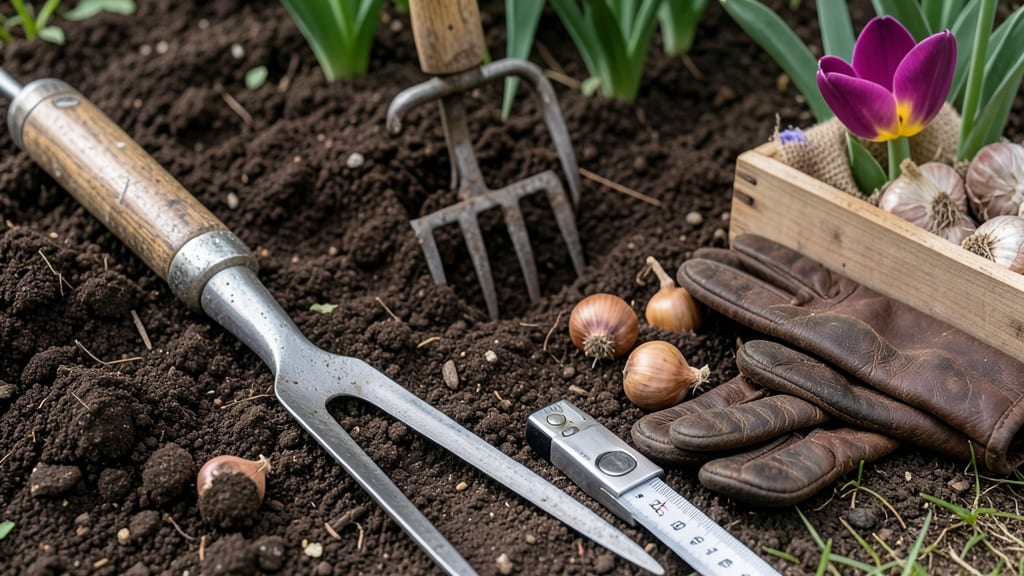
When to plant bulbs in Denver isn’t just about avoiding frost—it’s about matching their chill-hour needs to Denver’s high-altitude climate. The wrong window can mean weak stems or no blooms at all, despite your best efforts. Whether you're dreaming of vibrant tulips or cheerful daffodils, understanding Denver's USDA Zone 6b quirks is the key to success.
Fall planting (September-October) is your golden window for most bulbs, but some varieties like crocus thrive when planted in late summer. The secret? Planting 6-8 weeks before the ground freezes—usually by mid-October—gives roots time to establish before winter sets in.
Denver's dry springs demand extra care, so we'll cover soil prep tricks to keep your bulbs happy until those first buds peek through the snow.
Did you know some bulbs need 12-16 weeks of cold to bloom properly? That's where Denver's microclimates come into play—your front yard might get more chill hours than your backyard.
I'll walk you through how to read your local frost dates and adjust planting times for maximum bloom potential, whether you're working with tulips, alliums, or late-blooming hyacinths.
Let's make this your most successful bulb season yet—no more guessing games, just bold, healthy blooms that outshine even Denver's famous spring sunshine. Ready to dig in?
Denver’s chill-hour zones: which bulbs need how much cold?
Denver’s high-altitude climate (5,280ft+) creates unique chill-hour zones that dictate which bulbs thrive. Unlike lower elevations, our USDA Zone 5b-6a overlap means some bulbs need 1,000+ chill hours while others struggle with excessive cold.
For example, tulips typically require 1,200-1,500 chill hours, while daffodils often need just 800-1,000 hours.
Microclimates in Denver—like urban heat islands or windy mountain foothills—can shift chill hours by 200+ hours. Planting hyacinths or crocus in sheltered south-facing beds might add critical cold exposure, while exposed areas risk frost heaving for delicate bulbs like grape hyacinths.
Here’s how to match bulbs to Denver’s chill zones for reliable blooms:
| Bulb Type | Chill Hours Needed | Denver Zone Fit | Planting Window |
|---|---|---|---|
| Tulips (Darwin Hybrids) | 1,200–1,500 hrs | Zone 5b–6a (ideal) | Mid-Sept–Oct 15 |
| Daffodils (Jonquil) | 800–1,000 hrs | Zone 5b–7a (flexible) | Late Sept–Nov 1 |
| Alliums (Ornamental Onions) | 600–800 hrs | Zone 4–6a (hardy) | Oct–Nov 15 |
| Crocus (Spring-Blooming) | 400–600 hrs | Zone 3–6a (tough) | Aug–Sept 30 |
| Hyacinths | 1,000–1,200 hrs | Zone 5b–6a (borderline) | Sept–Oct 1 |
Pro Tip: Use Denver Botanic Gardens’ chill-hour calculator to check your microclimate. Their high-altitude trials show that tulips planted in south-facing beds often bloom 2 weeks earlier than those in north-facing spots due to extra chill exposure.
If you’re unsure about chill hours, opt for daffodils or alliums—they’re Denver-proven and handle our variable winters with ease. For tulips or hyacinths, plant in protected microclimates like near foundations or under deciduous trees (which lose leaves in winter).
Denver’s first frost typically hits around October 15, but bulbs need 6–8 weeks of cold soil to root before winter. Planting too late (after Nov 1) risks frost heaving, while early planting (before Sept 15) can expose bulbs to pests or drying soil.
For extra chill, bury bulbs 6–8 inches deep in loamy soil—this mimics Denver’s natural snow cover and protects against temperature swings. Add a 2-inch layer of straw mulch after planting to insulate bulbs without suffocating them.
🌱
Perfect planting calendar for Denver bulbs: month-by-month chill-ready guide
Timing your bulb planting in Denver isn’t just about avoiding frost—it’s about matching each variety’s chill-hour needs to Denver’s September-November window. Most bulbs need 4-8 weeks of cold soil before spring growth, and Denver’s 5,280ft elevation speeds up frost risks.
Start with hardy bulbs like crocus in early September, then layer in tulips and daffodils as temps drop.
Use Denver’s average first frost (October 15) as your deadline, but adjust for microclimates. South-facing slopes stay warmer—plant 2-3 weeks later there. North-facing areas? Plant 2 weeks earlier to ensure enough chill time. Always aim to finish by mid-October to avoid winter heaving from freeze-thaw cycles.
Plant crocus and snowdrops (hardy to -30°F). Soil temps should be 50-60°F.
Add tulips and hyacinths when soil hits 50°F. Mulch with 3" straw to protect.
Plant daffodils and alliums by October 15. Cover with 4" mulch if frost hits.
Late bloomers like fritillaria go in by November 1. Soil should be 40°F+.
Spring planting is risky in Denver, but paperwhite narcissus thrive in March-April pots near sunny windows. For in-ground spring bulbs, wait until soil warms to 50°F (usually mid-April) to avoid rot. Test soil moisture—if it’s dry 1" down, hold off until rains return.
Pro tip: Mark your calendar for Denver Botanic Gardens’ bulb sales (early September) and set reminders for soil temperature checks using a thermometer. Bulbs planted at the right time in Denver’s chill zones reward you with bold, early blooms that outshine neighbors’ late arrivals.