
Plants
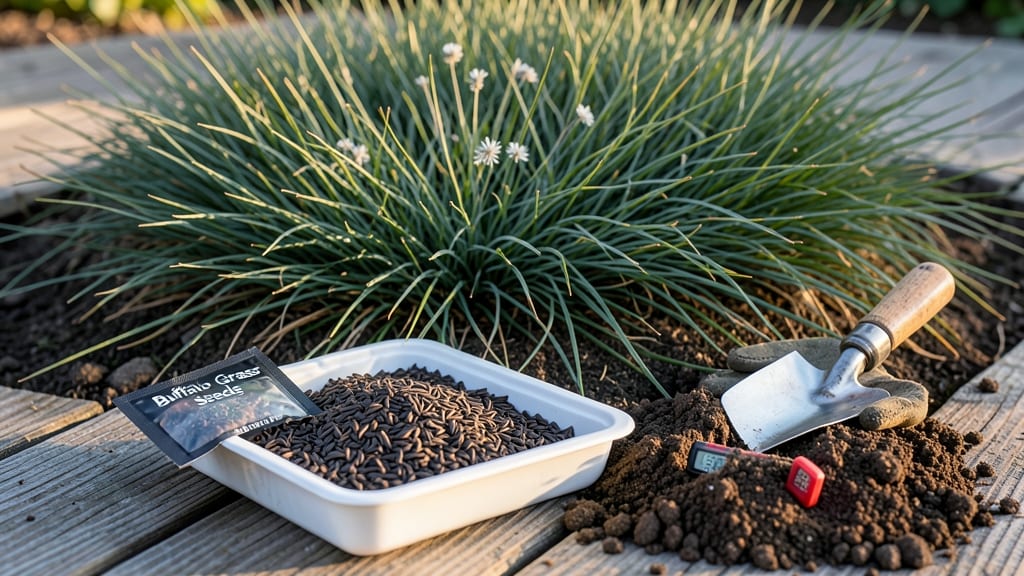
Planting buffalo grass in Kansas isn't just about timing—it's about survival in a climate that swings from scorching summers to freezing winters. If you've ever watched your lawn struggle to take root, you know the stakes: get it wrong, and you're left with patchy, weak grass that never quite thrives.
Here's the secret: the dormant-season window—late summer to early fall—is when buffalo grass 🌱 establishes deep roots before winter sets in. This isn't just theory; it's what separates a resilient lawn from one that fades away with the first heatwave.
Let me show you exactly how to time it right for your Kansas zone.
We're talking about August through September, when soil temperatures cool just enough for seeds to germinate without wilting in the heat.
But there's more to it than just the calendar—soil prep, frost risks, and even your specific USDA zone (like 5b or 7a) play a role in whether your buffalo grass will take hold.
In this guide, I'll walk you through the exact steps to plant buffalo grass at the perfect moment, so you can enjoy a tough, drought-resistant lawn that outlasts Kansas' toughest seasons. Ready to transform your yard?
Optimal planting windows for buffalo grass in Kansas by region
Kansas’ USDA Zones 5b-7a create distinct planting challenges—western areas like Garden City (Zone 7a) have longer growing seasons, while eastern Topeka (Zone 5b) faces earlier frosts. The dormant-season window (late summer to early fall) is your best bet, but timing shifts 10-14 days between regions.
For western Kansas, aim for mid-August to early September when soil temps drop below 85°F but stay above 60°F. Eastern Kansas gardeners should plant late August to mid-September to avoid early October frosts that can damage tender seedlings.
Here’s the breakdown by region, including soil temperature thresholds and frost risk dates critical for success:
| Region | Best Planting Window | Soil Temp (°F) | Frost Risk | Key Tip |
|---|---|---|---|---|
| Western KS (Zone 7a) | Mid-August – Early Sept | 60–85°F | First frost: Oct 15–Nov 1 | Water deeply after planting to trigger root growth before dormancy. |
| Central KS (Zone 6a) | Late August – Mid-Sept | 55–75°F | First frost: Oct 1–Oct 15 | Mulch lightly to retain moisture during heat spikes. |
| Eastern KS (Zone 5b) | Late August – Early Sept | 50–70°F | First frost: Sept 30–Oct 15 | Avoid planting after Sept 15; seedlings won’t harden in time. |
Why this timing? Buffalo grass germinates best at 60–85°F but stops growing at 90°F. Planting in late summer lets roots establish before summer dormancy, while avoiding early fall frosts that can kill tender shoots.
Pro tip: Use a soil thermometer to confirm temps—below 60°F delays germination, while above 90°F causes seed dormancy. Check weekly leading up to planting.
For container-grown buffalo grass, transplant 2–3 weeks earlier (early August) since established roots handle heat better. Harden off plants by moving them outdoors gradually for 1–2 hours daily starting 2 weeks before transplanting.
Miss the window? Early spring (April) is a second chance, but growth is slower due to cooler soils. Prioritize fall planting for stronger root systems before winter.
Remember: Buffalo grass thrives on neglect once established, but proper timing now ensures it survives Kansas’ 100°F summers and -10°F winters without flinching.
🌱
Optimal planting windows for buffalo grass in Kansas by region
Kansas’ climate isn’t one-size-fits-all, and neither is the best time to plant buffalo grass. In USDA Zones 5b-7a, your success hinges on knowing whether you’re in the cooler eastern regions (like Topeka) or the hotter western plains (like Hays).
The key? Planting when soil temperatures dip below 85°F but before the first frost risk.
For eastern Kansas (Zone 5b-6a), aim for late August to mid-September. This gives seedlings 6-8 weeks to establish roots before winter dormancy. In western Kansas (Zone 6b-7a), push planting to mid-August to early September—the earlier window accounts for hotter, drier conditions that can stress young grass.
| Region | USDA Zone | Best Planting Window | Soil Temp Threshold | Frost Risk |
|---|---|---|---|---|
| Eastern Kansas | 5b-6a | Late August - Mid-September | Below 85°F | Moderate (first frost Oct 15) |
| Western Kansas | 6b-7a | Mid-August - Early September | Below 90°F | Low (first frost Nov 1) |
| Central Kansas | 6a-6b | Late August - Early September | Below 88°F | Moderate (first frost Oct 20) |
Timing isn’t just about months—it’s about soil conditions. In Zone 5b, wait until after August 15 to avoid early frosts that can kill tender seedlings. Meanwhile, in Zone 7a, you’ve got until mid-September before cooler nights slow germination.
Pro tip: Check the Kansas State University Extension frost maps for your exact location—some years, a late September frost can sneak in, especially in higher elevations. Planting 2-3 weeks before your area’s average first frost gives your grass a safety net.
Don’t overlook moon phases either! Planting during a waxing moon (when the moon is growing brighter) is said to encourage root growth. For Kansas, this often aligns with late August to early September—a perfect overlap with our ideal window.
Finally, if you’re in drought-prone areas like western Kansas, prioritize planting by mid-August. The goal is to establish roots before summer’s last heatwave hits—think of it as a race against the clock to get your grass deeply anchored before winter dormancy.