
Plants
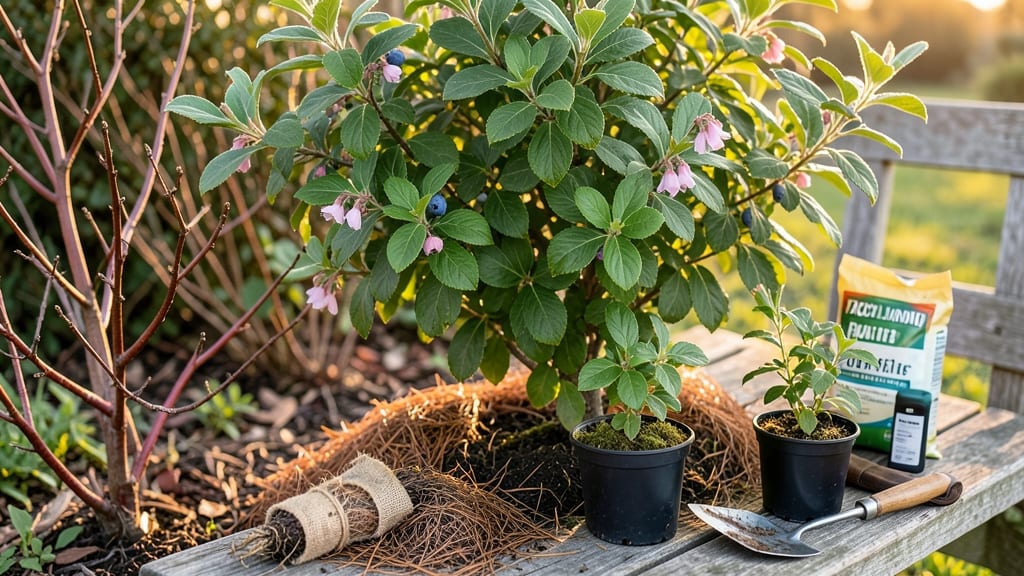
Timing your blueberry planting in Wisconsin isn’t just about avoiding frost—it’s about matching your bushes to the state’s unique chill-hour zones. Plant too early, and you risk transplant shock; too late, and your 🫐 bushes may never bear fruit.
The key? Understanding when soil warms enough for roots to thrive while ensuring your chosen variety gets the cold exposure it needs to produce berries.
Most Wisconsin gardeners swear by late April to early June as the sweet spot, but whether you’re in chilly Zone 4b or milder Zone 6a, local microclimates can shift that window by weeks.
I’ll break down exactly how to sync your planting with Wisconsin’s frost-free timeline—and why some varieties (like ‘Patriot’) outperform others in your specific corner of the state.
Container growing? That changes the game. You can extend your planting window by 2-4 weeks using black plastic mulch or cold frames, but getting the soil temperature right is still non-negotiable.
Let’s dive into the best practices to ensure your blueberries take root when they should—and start fruiting faster than you’d expect.
By the end of this guide, you’ll know not just when to plant, but how to set your blueberries up for decades of harvests—no guesswork required. Ready to turn your Wisconsin backyard into a berry powerhouse?
Wisconsin’s best planting windows by chill-hour zones (map + exact dates)
Wisconsin’s blueberry success hinges on chill hours—the number of hours below 45°F your bushes need to fruit. Southern Wisconsin (USDA Zone 5) averages 500–600 chill hours, while northern regions (Zone 4) hit 700–900 hours.
Planting outside these ranges delays fruit for 2–3 years or worse.
For Southern Wisconsin (e.g., Madison, Milwaukee), aim for mid-April to early May—after the last frost (mid-May average) but before soil warms past 50°F. Northern areas (e.g., Green Bay, Eau Claire) should plant late May to early June when soil stabilizes at 45–55°F.
Chill-hour mismatches are why many Wisconsin gardeners see no fruit in Year 1 or 2. For example, 'Jersey' (400+ hours) thrives in Zone 5, while 'Patriot' (600+ hours) works in Zone 4. Always check your local chill-hour map (linked below) before buying plants.
🌱Pro Tip: Use black plastic mulch in spring to warm soil faster—critical for Zone 4 gardeners pushing planting dates earlier.
| Region | USDA Zone | Chill Hours | Best Planting Window | Recommended Varieties |
|---|---|---|---|---|
| Southern Wisconsin | 5a–5b | 500–600 | Mid-April to early May | Bluecrop, Jersey, Duke |
| Central Wisconsin | 4b–5a | 600–700 | Late April to late May | Patriot, Bluegold, Legacy |
| Northern Wisconsin | 4a–4b | 700–900 | Late May to early June | Northblue, Northland, Polaris |
Bare-root plants (dormant) can also be planted in early fall (September) if soil temps stay above 50°F. However, potted plants (active roots) must go in spring only—fall planting risks root rot in Wisconsin’s wet autumns.
🌡️Soil Temperature Check: Use a soil thermometer—plant when it’s 40–50°F at 4-inch depth. Cooler soils (35°F) stunt root growth, while warmer soils (> 55°F) trigger early budding, which frost will kill.
For container growers, extend your window by 2–3 weeks—pots warm faster and let you move plants to sheltered spots. Just ensure containers are at least 18 inches deep to accommodate root systems.
🔍Local Nursery Tip: Buy from Wisconsin-based suppliers like Meyer’s Nursery (Appleton) or St. Croix Nursery (Hudson)—they pre-chill stock to match your chill-hour zone, saving you trial-and-error years.
Finally, avoid planting in summer—Wisconsin’s heat stresses young roots. If you miss spring, wait until next spring unless you’re using microclimate hacks (see Section 3 for details).
5 Critical signs you’re planting blueberries at the wrong time in Wisconsin
Planting blueberries in Wisconsin isn’t just about avoiding frost—it’s about soil temperature, chill hours, and transplant readiness. One wrong move, and your bushes could struggle for years.
I’ve seen gardeners rush planting in cold, wet soil or delay too long in late spring heat, both leading to poor root establishment. Here’s how to spot the red flags before it’s too late.
First, check your soil temperature. Blueberries need soil between 40–50°F to root properly. If you’re planting in chilly March soil or overheated June ground, your bushes will shock.
Use a soil thermometer—it’s the only way to be sure. I always test mine before digging, especially in Wisconsin’s variable climate.
🌱 Critical Sign #1: Soil Too Cold or Too Hot
- Cold soil (<40°F): Roots won’t establish; plants go dormant too soon.
- Hot soil (>60°F): Causes transplant shock; roots dry out before they can adapt.
- Wet, compacted soil: Leads to root rot—blueberries hate soggy feet.
🌡️ Pro Tip: Amend soil with peat moss or pine needles to improve drainage and acidity.
Next, watch for frost warnings. Even if your local forecast says "frost-free," check the extended outlook. A late frost in May or September can kill young blueberry plants.
I once lost three bushes because I ignored a 5-day frost forecast—don’t make my mistake! Use the National Weather Service’s frost prediction maps for your specific Wisconsin county.
Another giveaway? Slow or no leaf growth after planting. If your blueberries sit in the ground for weeks with no new shoots, they’re either stressed from poor timing or underwatered.
Mulch with pine straw or wood chips to insulate roots and retain moisture. I’ve seen bushes recover from late planting with the right mulch—it’s a game-changer.
Finally, listen to your plants. Wilting leaves or yellowing foliage after transplanting? That’s a sign of transplant shock, often caused by planting at the wrong time. If you’re in Northern Wisconsin (USDA Zone 4b), avoid planting after June 15th.
In Southern Wisconsin (Zone 5a), you have until July 1st—but only if soil temps stay mild.
If you’ve already planted too early or late, don’t panic. Container growing can save your bushes! Move potted plants to a protected microclimate (like near a south-facing wall) or use a cold frame to extend the season.
I’ve successfully overwintered young blueberries in containers with extra mulch and row covers. It’s not ideal, but it buys you time until conditions improve.