
Plants
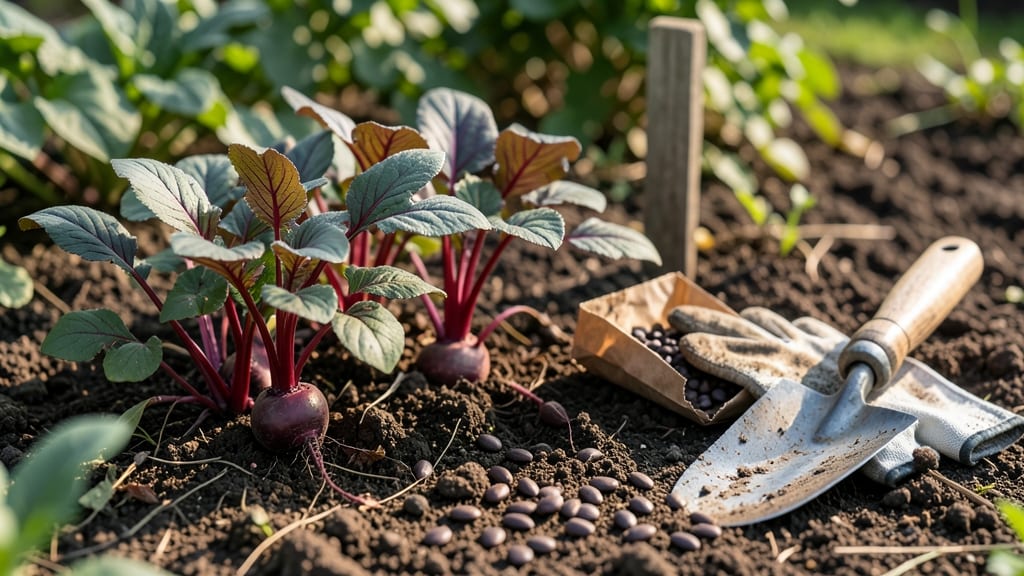
Timing your beet planting in Utah isn’t just about the calendar—it’s about beating the 50°F temperature swings that can turn your garden into a high-stakes game of chance.
Whether you're in Salt Lake City’s 6a-7a zone or southern Utah’s 7b-8a, planting too early risks frost damage, while waiting too long means bolting plants before you even taste that sweet harvest.
I’ve grown 🥕s here for years, and the key is knowing Utah’s two perfect windows: March 15–April 30 for spring and August 1–September 15 for fall. These dates align with soil temperatures that coax those ruby roots to grow instead of bolt into seed.
But here’s the catch: your exact timing depends on whether you’re dealing with the Wasatch Front’s cooler nights or the desert’s sudden heat spikes.
What you’ll discover in this guide are the microclimate secrets that let Utah gardeners stretch their harvests—from early spring succession plantings to late-summer succession crops that thrive before the first frost.
We’ll also cover the 3 biggest mistakes that ruin beets here (and how to avoid them), so you’re not left with tough, woody roots or bitter greens.
Ready to turn your Utah garden into a beet bonanza? Let’s dive into the exact planting schedule, soil prep tricks, and variety choices that’ll have you harvesting June through November—no guesswork required.
Utah’s best planting windows for beets: timing by microclimate
Utah’s diverse climate—from the cool high deserts of the Wasatch Front to the warmer Southern Utah valleys—means your beet planting schedule should match your local microclimate. Beets thrive in 40–70°F soil and bolt (go to seed) in temperatures above 80°F, so timing is everything.
Let’s break down the ideal planting windows for Utah’s three key regions to ensure sweet, tender harvests.
The Northern Mountains (e.g., Ogden, Logan) have shorter growing seasons with later last frosts (May 1), while the Wasatch Front (Salt Lake City) averages April 15 for final frost.
Southern Utah (St. George, Cedar City) enjoys earlier springs and longer falls, with last frosts as early as March 1. Understanding these differences helps you avoid planting too early (risking frost damage) or too late (triggering bolting).
| Region | Last Frost Date | First Frost Date | Ideal Planting Window | Soil Temp Threshold |
|---|---|---|---|---|
| Northern Mountains | May 1 | October 1 | April 15 – May 15, August 15 – September 15 | 40–60°F (spring), 60–70°F (fall) |
| Wasatch Front (Salt Lake City) | April 15 | October 15 | March 15 – April 30, August 1 – September 15 | 45–65°F (spring), 65–70°F (fall) |
| Southern Utah (St. George) | March 1 | November 1 | February 15 – March 30, August 15 – October 1 | 50–70°F (spring), 70–75°F (fall) |
For spring plantings, aim to sow seeds 4–6 weeks before your last frost date. In the Wasatch Front, this means mid-March to late April. Use row covers if nights dip below 32°F to protect young seedlings.
In Southern Utah, you can start as early as mid-February, but beets may bolt faster in the heat. For fall harvests, plant 8–10 weeks before your first frost—typically early August in the North and mid-August in the South.
Succession planting is key in Utah’s short growing season. Sow seeds every 2 weeks in spring and every 3 weeks in fall to ensure a steady supply.
For example, in Salt Lake City, plant March 15, March 30, April 15, and April 30 for continuous harvests from June to July. In St. George, stretch your season by planting February 15, March 1, March 15, and August 15 for harvests from April to November.
Choose cold-hardy varieties like ‘Detroit Dark Red’ or ‘Golden’ for early spring plantings, as they tolerate light frosts better than heat-sensitive types. Avoid planting in June or July—Utah’s summer heat causes beets to bolt prematurely, making roots woody and bitter.
Instead, focus on cool-season windows to grow sweet, tender beets.
Test your soil’s pH and fertility before planting, especially in Utah’s alkaline soils. Beets prefer pH 6.0–7.0; amend with sulfur or peat moss if your soil tests higher. Add compost or aged manure to improve drainage in rocky Utah soil. Well-prepared soil ensures faster germination and healthier roots.
Mark your calendar for Utah State University Extension’s frost date maps (available at [extension.usu.edu](https://extension.usu.edu)) to fine-tune your planting schedule. These resources provide hyper-local data for your specific zip code, helping you adjust for microclimates like urban heat islands or mountain valleys.
For example, Provo’s frost dates may differ slightly from Salt Lake City’s due to elevation changes.
If you’re new to beet-growing, start small with 10–15 plants to test your timing. Beets are easy to grow but sensitive to timing—mastering the schedule in your microclimate will reward you with sweet, homegrown harvests all season long. 🥕
How to adjust beet planting for Utah’s unpredictable weather patterns
Utah’s weather can shift faster than a mountain breeze—one day 50°F and sunny, the next 85°F with a drought warning. Beets thrive in consistent cool temperatures (50-70°F), so adapting your planting strategy is key to avoiding bolting (flowering too early) or woody roots.
Here’s how to outsmart Utah’s whims.
Start with cold-hardy varieties like ‘Detroit Dark Red’ or ‘Golden’, which tolerate light frosts and slow soil warming. These varieties also handle Utah’s alkaline soil better than fussy heirlooms.
Pair them with staggered sowing: plant a small batch every 2 weeks from March to April, then again in late summer for a fall harvest.
Use row covers or cloches to protect seedlings from late spring frosts (common in Northern Utah until May 1). For Southern Utah’s heat, opt for shade cloth (30%) during June-July to prevent bolting.
Evenings in Salt Lake City can drop to 40°F in September—extend your fall planting until September 15 with lightweight row covers.
For extended-season growing, try interplanting beets with fast-maturing crops like radishes or spinach. Radishes mature in 30 days, giving you time to harvest and replant beets before bolting sets in.
In high-elevation areas (USDA Zone 5), like Park City, push your fall planting to August 15—the shorter daylight delays bolting.
Finally, keep a planting journal to track Utah’s microclimate quirks. Note when frosts hit unexpectedly or heatwaves spike—this data will help you fine-tune next year’s schedule. With these adjustments, you’ll beat Utah’s weather and enjoy sweet, tender beets from spring to fall.