
Plants
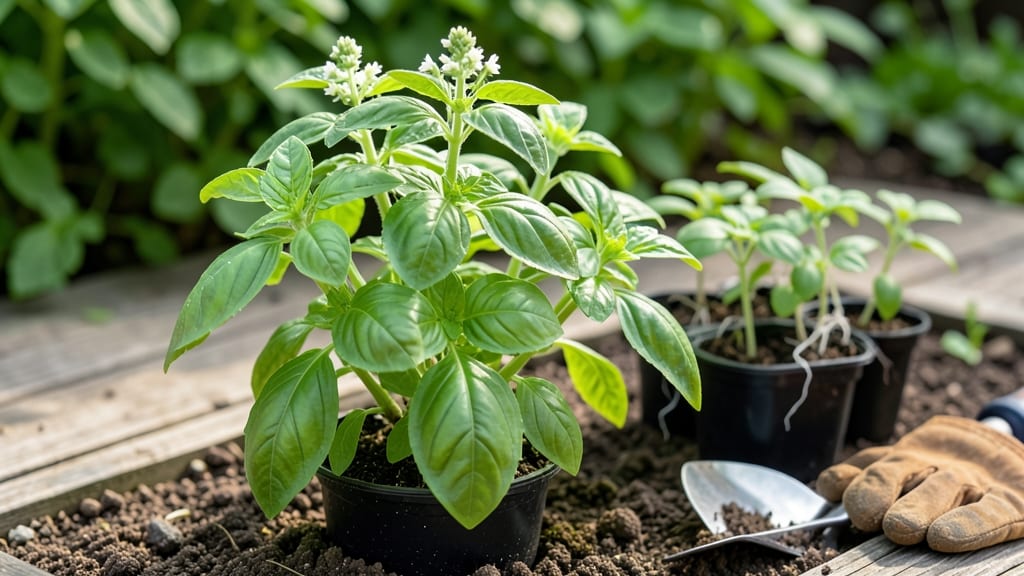
Timing your basil planting in NC can mean the difference between fragrant, flavorful leaves and bitter, wilted disappointment. With North Carolina’s varied climate—from the Piedmont’s mild springs to the coast’s lingering chills—getting it right matters more than you might think.
Most gardeners in zones 6b-8a wait until after the last frost (usually late April to early May), but rushing too early can stunt your 🌿 basil or even kill it outright.
I’ve learned the hard way that patience pays off when soil temperatures hit at least 50°F and nighttime lows stay above freezing.
Whether you’re starting seeds indoors or transplanting seedlings, this guide breaks down the exact windows for your region—plus pro tips to extend your harvest well into summer. Let’s make sure your basil thrives, not just survives.
From coastal delays to Piedmont speed, we’ll cover how to nail the perfect planting moment so you’re harvesting fresh leaves by June. Ready to grow basil that tastes like summer all season long?
North Carolina basil planting timeline by hardiness zone (7a vs 7b vs 8a)
North Carolina spans USDA zones 6b through 8a, meaning frost dates vary dramatically from the mountains to the coast. In zone 7a (e.g., Asheville), last frost typically hits April 15, while zone 8a (e.g., Wilmington) sees frost-free soil by March 1.
Planting too early risks frost damage, but waiting too late can lead to bolting before harvest. Let’s break it down by zone to maximize your basil harvest.
For direct sowing (planting seeds outdoors), aim for 2–4 weeks after your last frost date. This gives soil time to warm to at least 50°F, which basil loves. If you’re starting seeds indoors, begin 6–8 weeks before transplanting—typically mid-February to early March for most NC gardeners.
This head start ensures robust seedlings ready for late April to early May planting.
Here’s the critical timeline you need to know for each zone, including transplant windows and harvest projections:
| Zone | Last Frost Date | Ideal Transplant Window | First Harvest | Peak Harvest |
|---|---|---|---|---|
| 7a (Asheville, Boone) | April 15 | May 1–15 | July 1 | July–August |
| 7b (Raleigh, Greensboro) | March 31 | April 15–May 1 | June 15 | June–September |
| 8a (Wilmington, Fayetteville) | March 1 | March 15–April 15 | May 1 | May–October |
Notice how coastal NC (zone 8a) can start planting 6 weeks earlier than the mountains (zone 7a)? This difference is why microclimates matter.
For example, gardeners in Raleigh (zone 7b) might see frost as late as April 15, while those in Wilmington (zone 8a) could plant by mid-March. Always check your local frost-free date using the NC State Extension’s frost calculator for precision.
If you’re in zone 7a or 7b, consider staggered planting: Sow a second batch in early June for a fall harvest before the first frost. In zone 8a, you can even push it to late July for a second flush of basil.
Just remember: Basil bolts (goes to seed) when days get shorter, so harvest regularly to keep it producing.
For container gardening, timing is even more flexible. Containers warm up faster, so you can transplant 1–2 weeks earlier than in-ground plants. Just ensure your pots have drainage holes and use lightweight potting mix to prevent waterlogging, which basil hates.
Pro tip: Use a soil thermometer to confirm soil temps are above 50°F before planting. Cold soil slows germination and stunts growth, leading to small, bitter leaves. Pair this with morning sunlight for your planting spot, and you’re set for a bountiful harvest.
🌱
North Carolina basil planting timeline by hardiness zone (7a vs 7b vs 8a)
North Carolina’s three main USDA hardiness zones—7a, 7b, and 8a—dictate your basil planting window.
In Zone 7a (mountains), wait until mid-April after the last frost (typically April 15), while Zone 8a (coastal) can start as early as late March. Zone 7b (Piedmont) falls in between, with ideal transplant dates around April 1-15.
Soil temperature is just as critical as air temperature. Basil won’t thrive until the soil warms to at least 50°F. Use a soil thermometer to confirm—cold soil slows germination and stunts growth.
In Zone 7a, this usually aligns with late April, while Zone 8a gardeners can plant 2-3 weeks earlier.
Basil Planting Timeline by NC Zone
| Zone | Last Frost Date | Ideal Planting Window | Soil Temp Requirement | Harvest Ready By |
|---|---|---|---|---|
| 7a (Mountains) | April 15 | Mid-April to early May | 50°F+ | Late June |
| 7b (Piedmont) | April 1 | Early April to mid-May | 50°F+ | Early June |
| 8a (Coastal) | March 15 | Late March to early April | 50°F+ | Mid-May |
Direct sowing outdoors is risky in NC’s unpredictable spring. Instead, start indoor seeds 6-8 weeks before your zone’s last frost date. For Zone 7a, that means mid-February sowing, while Zone 8a gardeners can begin early January. Use grow lights to prevent leggy seedlings.
Transplant seedlings outdoors only after nighttime temperatures consistently stay above 50°F. Harden off seedlings by placing them outside for 2-3 hours daily the week before transplanting. This gradual adjustment reduces shock and improves survival rates in NC’s humid summers.
Missed the spring window? Don’t worry—basil tolerates heat better than cold. In Zone 7a, you can try a late-summer planting (early August) for a fall harvest before frost.
Just use row covers if nights dip below 55°F. In Zone 8a, extend the season until October with shade cloth during peak summer heat.
Pro tip: Mark your calendar for June 1 as the last safe date to plant basil in most of NC. After that, succession plant every 2 weeks to ensure a continuous harvest until frost.
This works especially well in containers, where you can move plants to partial shade during extreme heat.