
Plants
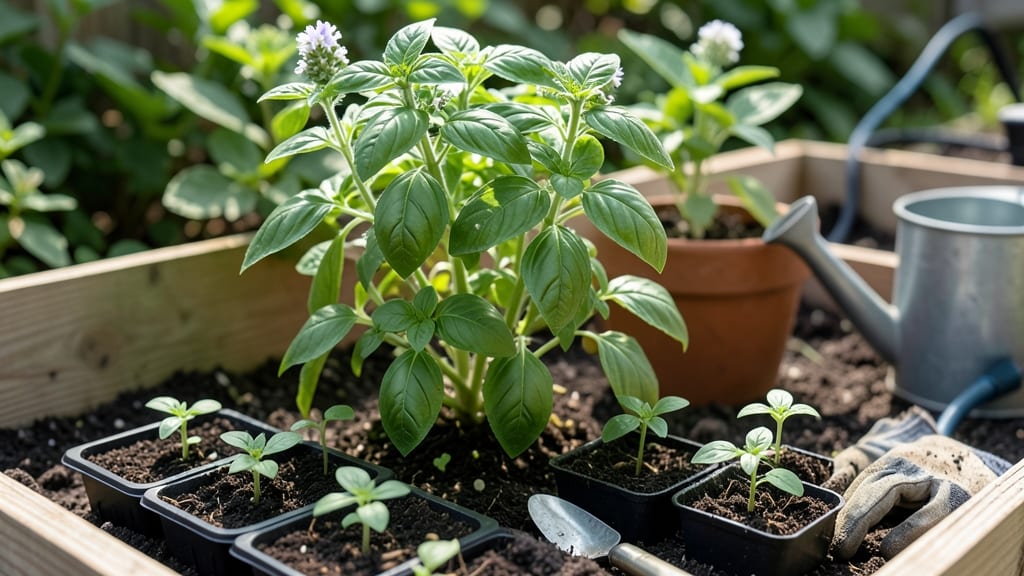
Timing your basil planting in Arizona isn’t just about avoiding frost—it’s about outsmarting the desert’s brutal heat. Plant too early, and your 🌿 basil will bolt into flower in days; too late, and you’ll miss the sweetest harvest window before winter chills set in.
Most gardeners in USDA Zone 9b swear by two perfect windows: late summer (September-October) or early spring (February-March). But here’s the catch—Arizona’s microclimates (think Phoenix’s low desert vs. Flagstaff’s high desert) can shift ideal timing by 4-6 weeks.
I’ll break down exactly when to start seeds indoors, transplant outdoors, and which heat-resistant varieties actually survive Arizona’s summer.
You’ll also discover how to beat the monsoon season and prevent wilted leaves—without spending hours fussing over your plants. Whether you’re a first-time gardener or a seasoned grower, these strategies will help you grow basil that’s flavorful, hardy, and ready to harvest when you need it most.
Let’s dive into the exact schedule that works for Arizona’s climate, plus pro tips to keep your basil thriving through the hottest months. Your kitchen (and pesto) will thank you!
Best months to plant basil in Arizona by climate zone
Arizona’s diverse climate zones—from the Low Desert of Phoenix to the High Desert of Flagstaff—create wildly different conditions for growing basil. The key to success? Planting when soil temperatures drop below 85°F and avoiding the brutal summer heat that causes bolting or wilting.
Let’s break down the best timing for each zone.
In the Low Desert (USDA Zone 10a-11), where Phoenix and Tucson bake year-round, your window is tight. The ideal months are September through October for fall planting or February through March for spring.
High Desert areas like Flagstaff (Zone 7a) can start seeds indoors as early as January and transplant outdoors after the last frost, typically by mid-April.
Transition zones (e.g., Sedona or Prescott) sit between extremes. Here, aim for late March to early April for spring planting or mid-September to October for fall.
Always check your local frost-free dates—Arizona’s high desert can see frost as late as January 15 or as early as December 15.
🌱 Pro Tip: Use a soil thermometer to confirm temperatures. Basil roots struggle in soil above 85°F, even in shade.
Arizona Basil Planting Schedule by Climate Zone
| Zone | Best Planting Months | Soil Temp Threshold | Key Considerations |
|---|---|---|---|
| Low Desert (Phoenix/Tucson) | Sep-Oct (Fall) / Feb-Mar (Spring) | Below 85°F | Avoid summer heat; use shade cloth |
| High Desert (Flagstaff) | Apr-May (Spring) / Sep-Oct (Fall) | Above 50°F | Watch for late frost; start indoors |
| Transition Zones (Sedona) | Mar-Apr (Spring) / Sep-Oct (Fall) | 60-85°F | Microclimates vary; monitor daily |
🌡️ Note: Arizona’s monsoon season (July-August) brings sudden downpours. Plant in well-draining soil to prevent root rot.
If you’re planting in spring, wait until after the last frost (usually mid-March in the Low Desert and mid-April in the High Desert). For fall, aim to plant 6-8 weeks before the first frost to ensure a full harvest before winter sets in.
In Phoenix, this means September planting for a November harvest.
Microclimates play a huge role in Arizona. A north-facing wall in Phoenix might stay cooler than open ground, while a south-facing garden in Flagstaff could get extra warmth. Use these microclimates to your advantage—plant basil where it gets morning sun and afternoon shade during peak summer.
💧 Watering Warning: Basil hates dry feet. In Arizona’s heat, water deeply every 1-2 days rather than light daily spritzes. Use drip irrigation or soaker hoses to keep leaves dry and prevent fungal diseases.
For container gardeners, timing shifts slightly. Start seeds indoors 8-10 weeks before your last frost date (e.g., January for High Desert, July for Low Desert if using shade). Transplant seedlings outdoors when they’ve developed 4-6 true leaves and soil temps are stable below 85°F.
🌿 Harvest Hack: Pinch off flower buds as they form to redirect energy to leaf growth. This keeps your basil lush and flavorful longer in Arizona’s short growing seasons.
Heat-resistant basil varieties that thrive in Arizona’s summer
Arizona’s summer heat can quickly turn basil into a sad, wilted mess—but the right variety makes all the difference. Heat-resistant basil varieties like Thai and Spicy Globe handle 110°F+ temperatures better than classic Genovese. These tougher types won’t bolt prematurely or lose flavor under the desert sun.
When selecting basil for Arizona, prioritize varieties with thick leaves and strong stems. These traits help retain moisture and withstand our intense sunlight. My top picks include Lemon Basil (citrusy and drought-tolerant) and Purple Basil (visually striking and heat-resistant). Each brings unique flavors while surviving Arizona’s climate.
Here’s how these varieties stack up in key categories like heat tolerance, flavor intensity, and maintenance needs. The rating bar below highlights their performance in Arizona’s extreme conditions.
For flavor, Thai Basil delivers anise-like notes that pair perfectly with Vietnamese dishes, while Lemon Basil adds a zesty twist to salads and pestos. If you prefer classic Italian flavors, Genovese remains a solid choice—but expect to provide extra shade during peak summer afternoons.
Pro tip: Mix varieties in your garden! Purple Basil not only resists heat but also deters pests naturally. Its striking color also adds visual appeal to containers or garden beds. Just be sure to harvest regularly to encourage bushier growth and prevent bolting.
Once you’ve chosen your heat-resistant variety, focus on watering deeply in the morning and using mulch to retain moisture. These small adjustments can turn a struggling basil plant into a thriving, flavorful addition to your Arizona garden. 🌿