
Plants
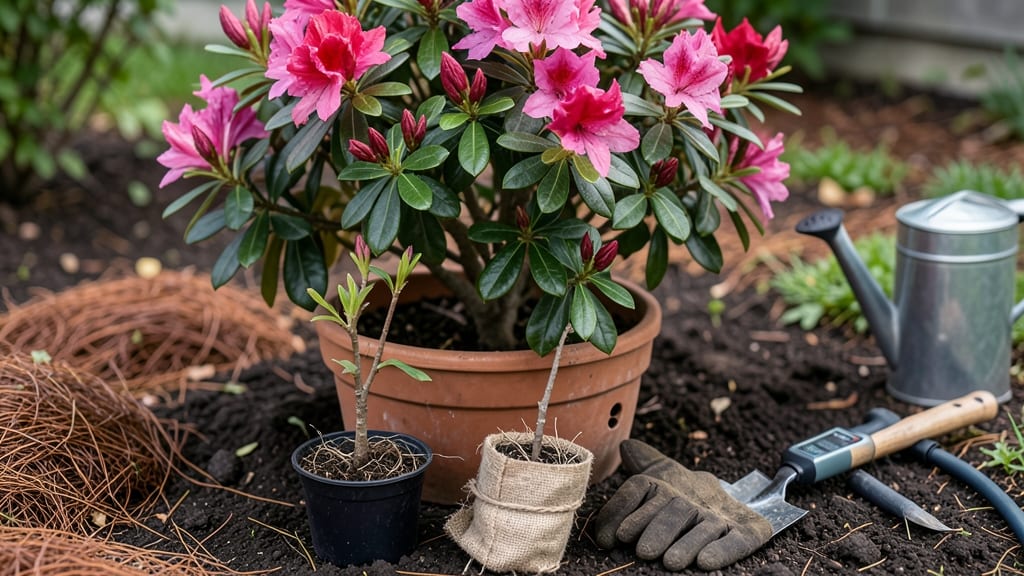
If you’ve ever watched your azaleas struggle to take root in Oklahoma’s unpredictable climate, you’re not alone—when to plant azaleas in Oklahoma is the key to vibrant blooms every season.
Planting at the wrong time can leave your shrubs weak, stunted, or worse, dead before they even show off their famous flowers.
The best months to plant azaleas in Oklahoma hinge on avoiding frost and heat stress, with fall and early spring emerging as the winners. Whether you’re in the cooler 6b zones or the warmer 8a regions, knowing when to dig in makes all the difference for long-term success.
I’ll walk you through the ideal planting windows, soil prep tips tailored to Oklahoma’s clay-heavy earth, and how to spot early signs your timing might be off. By the end, you’ll have a clear roadmap to planting azaleas that thrive—and wow your neighbors with those show-stopping blooms.
Ready to transform your yard into a fall display of color? Let’s get started with the timing secrets that’ll set your azaleas up for years of beauty.
Best planting months for azaleas in Oklahoma’s climate zones
Oklahoma’s USDA hardiness zones 6b-7b create a tricky balance for azalea planting. The best months depend on whether you’re planting bare-root azaleas or container-grown varieties, but generally, fall and early spring win every time.
In my experience, planting during these windows gives azaleas the 6-8 weeks they need to establish roots before extreme heat or cold sets in.
For northern Oklahoma (zone 6b), focus on September through October for fall planting. This gives young roots time to settle before first frost (mid-November). In southern Oklahoma (zone 7b), you’ve got a slightly longer window—October through November—but avoid planting too close to winter’s chill.
Early spring planting in February-March works statewide, just time it for after the last frost (usually around March 15).
The soil temperature is your secret weapon. Azaleas thrive when soil temps are below 70°F but above freezing. In Oklahoma’s heat, summer planting is a no-go—the roots will cook before they can establish.
I’ve seen too many gardeners rush planting in May or June, only to watch their azaleas struggle with heat stress and poor blooming the next spring.
Here’s my pro tip: If you’re in western Oklahoma (like Lawton or Altus), lean toward late fall planting—the cooler nights help roots grow. In eastern Oklahoma (Tulsa, Oklahoma City), early fall is better to beat summer’s intensity.
Always check your local cooperative extension service for microclimate adjustments—Oklahoma’s weather can vary 50 miles apart!
| Planting Window | Best For | Soil Temp | Oklahoma Regions | Key Consideration |
|---|---|---|---|---|
| Late August - September | Bare-root azaleas | 60-70°F | Northern OK (Zone 6b) | Avoid summer heat stress |
| October - November | Container-grown azaleas | 50-65°F | Southern OK (Zone 7b) | Beat first frost timing |
| February - March | Both types | 45-60°F | Statewide | After last frost date |
| April (risky) | Emergency planting | 60-75°F | All regions | Only for container-grown |
One common mistake I see is planting azaleas in late spring. By May or June, Oklahoma’s heat and drought conditions make it nearly impossible for roots to establish. If you must plant then, stick to container-grown azaleas with established root balls and provide extra shade and water.
Even then, expect slower growth and fewer blooms the first year.
For container planting, the rules are slightly different. You can plant container-grown azaleas anytime the ground isn’t frozen, but early fall or spring still give the best results. The key is transplant shock—container plants need time to adjust, and Oklahoma’s summer heat makes this process harder.
I always soak the root ball before planting and water deeply afterward to reduce stress.
Don’t forget about mulching! After planting, apply 2-3 inches of mulch (like pine straw or shredded bark) to keep roots cool and moist. This is especially critical in southern Oklahoma’s hotter zones, where summer temps can exceed 100°F.
Mulch acts like a root blanket, protecting those delicate new roots from extreme temperatures.
If you’re in western Oklahoma, pay attention to wind patterns. Areas like Guymon or Weatherford experience strong winds that can dry out young azalea plants. Planting in early fall gives roots time to establish before winter winds kick in.
In eastern Oklahoma, humidity is your friend—just watch for fungal diseases like powdery mildew if you plant too late in the season.
Finally, remember that Oklahoma’s microclimates can vary dramatically. A neighbor’s success with June planting doesn’t mean it’ll work for you. Always check your specific zone, observe your local weather patterns, and be ready to adjust.
With the right timing, your azaleas will reward you with vibrant blooms for years to come! 🌸
How to prepare your Oklahoma soil for azalea planting success
Oklahoma’s clay-heavy soils and alkaline tendencies can be a nightmare for acid-loving azaleas, but with the right prep, you can create the perfect growing conditions. Azaleas thrive in soil with a pH between 4.5 and 6.0, so testing and adjusting your soil is the first critical step.
Many Oklahoma gardens start with a pH of 7.0 or higher, which is far too alkaline for these shrubs to flourish.
Start by testing your soil’s pH using a home garden test kit or sending a sample to the Oklahoma State University Soil Testing Lab. If your soil tests above 6.0, you’ll need to lower the pH using sulfur or peat moss.
For every 1 point below 6.0 you need to reach, apply 2-4 pounds of elemental sulfur per 100 square feet and work it into the top 6 inches of soil. This process takes time—often 2-3 months—so plan ahead if you’re amending existing garden beds.