
Trees
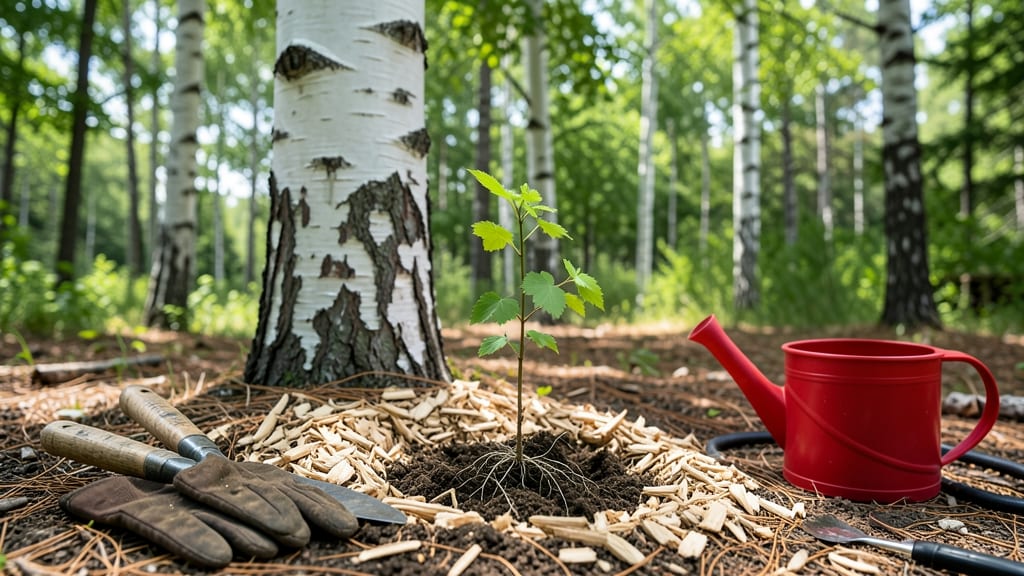
Timing your aspen tree planting in Colorado can make all the difference between a thriving 🌳 and a struggling sapling. With the state's dramatic elevation shifts—from 4,000 feet plains to 10,000-foot peaks—you need to know exactly when to dig in for the best results.
Most gardeners in Colorado's USDA Zones 4-7 swear by early spring (March-April) as the ideal window. Why? Because soil temperatures warm enough to support root growth while frost risks remain low.
But here's the catch: high-elevation sites like the Rocky Mountains may need to wait until late April or even May to avoid late-season freezes.
You might be wondering if fall planting is an option. The short answer? Yes—but with caveats. Early fall (September-October) works if you plant 6-8 weeks before your area's first frost. The key is giving roots time to establish before winter sets in, especially in drier regions where moisture is scarce.
Let’s break down the best strategies for your specific elevation zone, from soil prep to seedling selection, so you can plant with confidence and watch your aspen grow fast and strong.
Optimal planting timing for aspen trees in Colorado’s climate zones
Colorado’s diverse microclimates mean the best time to plant aspen trees varies dramatically—from March in Denver to May in high mountain zones. Aspens thrive when planted during their dormant season, which minimizes transplant shock and maximizes root establishment before summer heat arrives.
For most of Colorado, early spring (March–April) is ideal because soil temperatures rise above 45°F (7°C), encouraging root growth. However, high-elevation sites (7,000+ ft) often wait until late spring to avoid late frosts that can damage tender new shoots.
Here’s how Colorado’s three key regions differ in planting windows:
Front Range (Denver, Boulder, Fort Collins): Plant between March 15–April 15 when frost risk drops below 20%. Soil temperatures here typically hit 50°F (10°C) by early April, perfect for aspen root development.
Western Slope (Grand Junction, Durango): Start planting February 15–March 15 due to earlier warm-ups. These areas experience warmer winters and longer frost-free periods, allowing for earlier soil preparation.
San Luis Valley (Alamosa, Great Sand Dunes): Delay until April 15–May 15 because cold nights persist longer and soil stays cooler. High-altitude aspen groves here naturally regenerate later in the season.
🌳 Colorado Aspen Planting Timeline
| Region | Best Planting Window | Soil Temp Requirement | Key Consideration |
|---|---|---|---|
| Front Range | March 15–April 15 | 50°F (10°C) | Avoid late frosts |
| Western Slope | February 15–March 15 | 45°F (7°C) | Warmer microclimates |
| San Luis Valley | April 15–May 15 | 55°F (13°C) | High-altitude delays |
🌡️ Pro Tip: Use a soil thermometer to confirm temperatures meet requirements before planting.
Fall planting (September–October) is also viable in Colorado, but only if you plant 6–8 weeks before first frost. This gives roots time to establish before winter dormancy.
In USDA Zone 4 (northern mountains), aim for September 1–15, while Zone 7 (southern plains) can extend to October 15.
For bare-root saplings (most common for aspens), plant as soon as they arrive—don’t let roots dry out. Container-grown trees can handle a slightly wider window but still prefer cooler spring or fall conditions to reduce transplant shock.
Always check your local Almanac frost dates and adjust by 2–3 weeks. Colorado’s unpredictable weather means flexibility is key—don’t rush if late frosts linger. Patience now means stronger trees later.
🌱 Next Step: Prepare your site by amending clay-heavy soils with compost and ensuring full sun exposure—aspens need both for optimal growth.
Elevation-specific aspen planting guidelines for Colorado’s hardiness zones
Colorado’s elevation gradients dramatically impact aspen tree survival rates. At 4,000–6,000 feet, like Denver’s Front Range, soil warms faster in spring, while 7,000–8,000-foot sites (e.g., Rocky Mountain National Park) require later planting to avoid frost damage.
Each zone demands unique soil prep—sandy loam at lower elevations drains quickly, while high-altitude clay holds moisture longer, risking root rot.
For low-elevation sites (4,000–6,000 ft), aim for March–April planting when soil reaches 45°F (7°C). At higher elevations (6,000–8,000 ft), delay until late April–May when frost risk drops below 10%. Always test soil moisture—dry conditions above 7,000 ft can stunt young roots for months.
🌳 Aspen Planting by Elevation
High-altitude aspens (7,000+ ft) face drought stress even with Colorado’s 15–20 inches of annual precipitation. To combat this, plant container-grown saplings (not bare-root) and water deeply every 10–14 days during the first growing season.
A 3-inch layer of mulch reduces evaporation by 30%, critical for survival in USDA Zone 4 areas.
For slope planting, contour the hole to follow the land’s grade—this prevents erosion and ensures roots stay moist. At high elevations, avoid planting near south-facing slopes, where afternoon sun can dry soil too quickly. Instead, choose north-facing aspects for consistent moisture retention.
Young aspens in Zone 5–6 (5,000–6,500 ft) benefit from mycorrhizal fungi applied at planting. This boosts root growth by 40% in the first year. For Zone 7+ areas, prioritize deep planting—place the root collar 2 inches below soil level to protect against temperature swings.
Monitor your aspen’s first-year growth rate: 2–4 feet indicates healthy establishment, while stunted growth signals soil compaction or poor drainage. Adjust watering accordingly—overwatering is as harmful as underwatering in Colorado’s variable climate.