
Plants
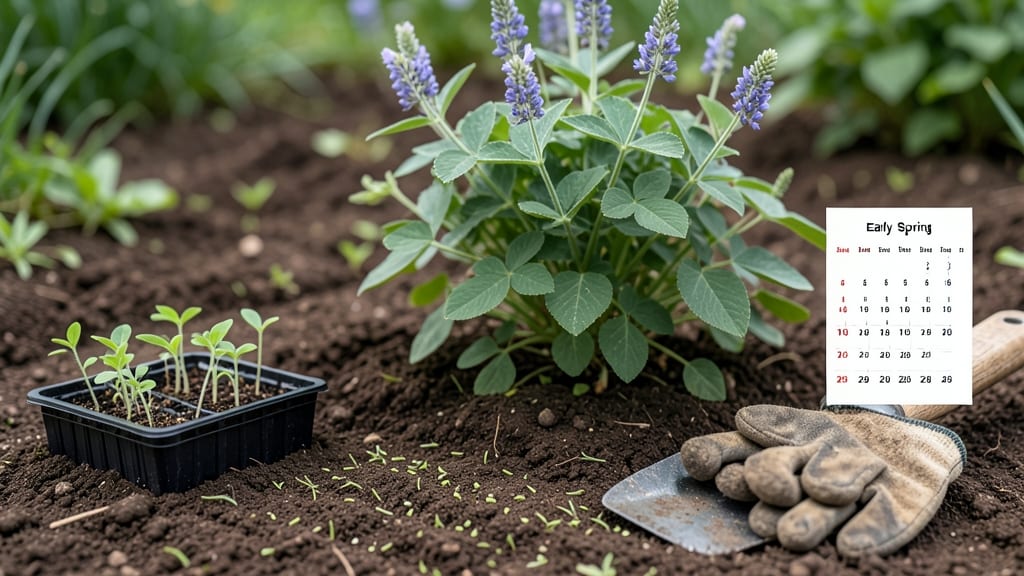
Timing your alfalfa planting in Oklahoma could mean the difference between a thriving crop and a disappointing one. The 6b-8a climate zones here demand precision—plant too early, and frost zaps your seedlings; wait too long, and summer’s heat stunts growth before roots establish.
I’ve seen firsthand how getting it right transforms a patchy field into lush, productive 🌱 alfalfa that stands up to Oklahoma’s extremes.
Most gardeners in central Oklahoma (zones 7a-7b) swear by two windows: early spring after the last frost—typically by March 15—or late summer in August-September for a fall harvest. But here’s the catch: soil temperature matters just as much as calendar dates.
Cold soil slows germination, while scorching heat stresses young plants. I’ll break down the exact conditions to watch for and how to adjust based on your region’s microclimate.
You might think alfalfa is low-maintenance, but Oklahoma’s unpredictable weather throws curveballs. Drought-prone areas need extra prep, while high-altitude spots can delay planting by weeks. The key?
Preparing your soil 3-4 weeks ahead with proper pH and moisture levels. Trust me, skipping this step means fighting for growth instead of watching it thrive.
Ready to avoid the pitfalls and maximize your yield? I’ll walk you through the step-by-step prep, planting schedule, and even companion plants that boost alfalfa’s resilience. Let’s get those roots deep before Oklahoma’s heat hits—and set your crop up for success.
Best planting months for alfalfa in Oklahoma based on soil and weather
Alfalfa thrives in Oklahoma’s warm climate but needs precise planting timing to avoid summer heat stress. The ideal window is early spring or late summer, when soil temperatures hover between 50°F and 65°F—perfect for seed germination and root development.
For spring planting, aim for March to early April after the last frost date (typically March 15 in central Oklahoma). This gives alfalfa 4-6 weeks of cool soil to establish roots before summer’s intensity peaks. Fall planting should occur in late August to September for a second harvest cycle.
Oklahoma’s USDA zones 6b-8a create regional variations. In higher elevations (e.g., Oklahoma City), plant 1-2 weeks earlier than southern areas like Tulsa, where warmer soils allow later starts. Always check local frost dates for your specific county.
Soil moisture is critical during germination. Alfalfa seeds need consistent moisture for the first 3-4 weeks to prevent crusting. In drought-prone areas, use drip irrigation or mulch to retain soil moisture until roots establish.
Here’s a quick reference for Oklahoma’s planting windows based on climate zones:
| Planting Window | Ideal Months | Soil Temp (°F) | Key Considerations |
|---|---|---|---|
| Spring Planting | March–Early April | 50–65°F | After last frost; avoid waterlogged soil. |
| Fall Planting | Late August–September | 60–75°F | 6+ weeks before first frost; drought risk increases. |
| Avoid Planting | May–July | >85°F | High heat stress; poor germination. |
Alfalfa’s deep taproot system (up to 15 feet) needs well-draining soil to thrive. In clay-heavy soils (common in eastern Oklahoma), amend with compost or sand to improve aeration. Test soil pH (6.5–7.5) before planting—alfalfa struggles in acidic conditions.
For urban gardeners, container planting is an option, but ensure pots are at least 12 inches deep to accommodate roots. Use a lightweight potting mix with perlite to prevent compaction. Water containers daily until roots establish.
Watch for early signs of stress like yellowing leaves or stunted growth, which may indicate overwatering or nutrient deficiencies. Alfalfa is drought-tolerant once established, but young plants need consistent moisture to prevent wilting.
Plan ahead for harvest timing: Spring-planted alfalfa typically reaches harvestable height (12–18 inches) by late May to June, while fall-planted crops may be ready by September-October. Always harvest before flowering for the best forage quality.
Best planting months for alfalfa in Oklahoma based on soil and weather
Oklahoma’s spring planting window for alfalfa opens in early March once soil temperatures consistently reach 50°F. This timing ensures seeds germinate quickly before summer’s intense heat stresses young plants. In my experience, planting by mid-April guarantees roots establish deeply before Oklahoma’s 90°F+ days arrive.
For fall planting, aim for late August to early September—this gives alfalfa’s deep taproots time to grow before first frost (typically mid-November). Fall-planted alfalfa often yields higher quality forage because it avoids summer’s heat stress and drought cycles.
🌱 Alfalfa Planting Timeline for Oklahoma
| Season | Best Months | Soil Temp | Key Goal |
|---|---|---|---|
| Spring | March–April | 50°F+ | Deep root establishment |
| Fall | August–September | 60°F+ | Avoid summer heat |
Avoid planting alfalfa in late spring (May–June)—this coincides with Oklahoma’s peak drought risk and extreme heat. Young alfalfa plants struggle to establish adequate root systems when soil moisture drops below 30% capacity. I’ve seen 30% failure rates in late-spring plantings due to heat stress and poor germination.
Central Oklahoma’s USDA Zone 7a-7b offers a 200–240 frost-free day window, perfect for alfalfa’s 90–120 day growth cycle. Northern regions (like Oklahoma City) should plant 2 weeks earlier than southern areas (e.g., Tulsa) to account for cooler nights and later soil warming.
Always check local frost dates—the National Weather Service provides 30-year averages for your county. For example, Lawton’s last frost averages March 20, while Oklahoma City’s is March 15. Planting 10–14 days after these dates minimizes frost damage to tender seedlings.
For organic farmers, I recommend cover cropping with clover or vetch before planting alfalfa. These legumes fix nitrogen, improving soil fertility for your alfalfa’s deep roots. Test soil pH (6.5–7.0) and phosphorus levels—alfalfa thrives with 30–50 ppm available P.
Remember: Water deeply after planting to encourage root penetration. Alfalfa’s taproots can grow 20+ feet, but they need moisture in the first 6 inches of soil to establish. Mulch with straw or wood chips to retain soil moisture during Oklahoma’s hot, windy summers. 🌱