
Plants
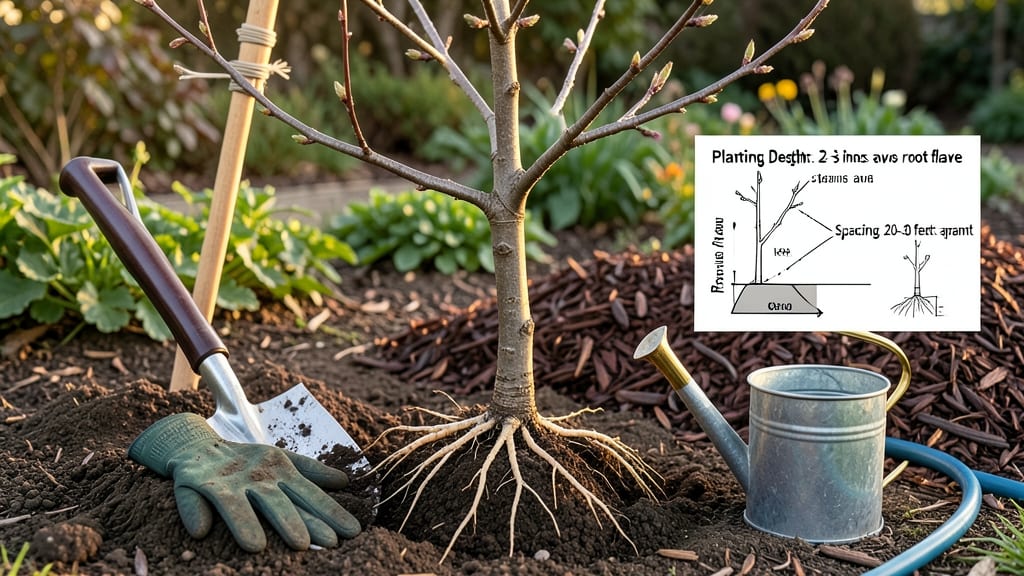
Timing is everything when it comes to planting a tree in the ground—get it wrong, and you risk years of struggling growth or worse. Whether you're in USDA Zone 6a or another region, the right window ensures your 🌳 thrives from the start.
Most gardeners assume spring is the only option, but fall planting often gives roots a head start before winter dormancy. I’ll break down the best months for your specific zone, so you can avoid common mistakes like planting too late or too early.
You’ll discover how soil temperature, frost risk, and regional variations all play a role in root establishment. By the end, you’ll know exactly when to dig that hole for maximum success—no guesswork involved.
Ready to plant with confidence? Let’s get your tree off to the strongest start possible, no matter where you live.
Best planting months for trees by USDA zone
Timing is everything when planting a tree—especially since roots need 6-8 weeks to establish before winter stress sets in. The best time depends on your USDA zone, with fall and early spring being the gold standards for most regions.
In colder zones (3-6), fall planting gives roots time to harden before frost, while warmer zones (7-10) favor early spring to avoid summer drought. Let’s break it down by zone so you can plant with confidence.
For USDA zones 3-6, aim to plant 4-6 weeks before the first frost—typically September through early October. This window allows roots to grow without competing with summer heat. In zones 7-10, early spring (February-March) is ideal, as summer drought can stress young trees.
Evergreens, like pine or spruce, need extra care—they’re best planted in fall or early winter to avoid transplant shock.
Here’s a quick reference for your zone—adjust based on local frost dates and rainfall patterns. Pro tip: Always check your last frost date for precise timing, as microclimates vary even within zones.
| USDA Zone | Best Planting Window | Key Considerations | Avoid Planting |
|---|---|---|---|
| 3-4 (Cold Climates) | Late August–early October | Soil temps above 40°F; mulch heavily | Spring (risk of late frost) |
| 5-6 (Temperate) | September–November or March–April | Balanced rain; avoid waterlogged soil | Summer (drought stress) |
| 7-8 (Warm) | January–March or October–November | Avoid summer heat; drip irrigation helps | Peak summer (June–August) |
| 9-10 (Hot/Dry) | November–January | Windbreaks reduce transplant shock | Spring (intense sun) |
In USDA zone 6a (like much of the Midwest), I’ve had the most success planting bare-root trees in early spring (March) or container-grown trees in fall (October). The key is ensuring soil temperatures stay above 40°F—cold soil can stunt root growth.
For evergreens, I always plant in fall to let roots establish before winter dormancy kicks in.
If you’re in a coastal or Mediterranean climate (e.g., Southern California), winter planting (December–February) works best—avoiding the dry, hot summers. Tropical zones (11-12) can plant year-round, but early rainy season gives the best results. Always check local frost-free dates to fine-tune your schedule.
For large trees (like oaks or maples), timing matters even more—their root systems take years to match their canopy size. Plant them in fall for maximum root growth before summer heat arrives. Smaller trees (e.g., dogwood or magnolia) are more flexible but still benefit from cool-season planting.
One common mistake? Planting in late winter when soil is still frozen. Always test soil moisture—if it’s rock-hard, wait a few weeks. Use a soil thermometer to confirm temps are ideal (50–60°F for most trees).
Pro tip: If you miss the ideal window, container-grown trees can be planted anytime—just adjust watering to match seasonal conditions. For bare-root trees, fall is non-negotiable in colder zones.
🌳
How to prepare your tree for zone-specific planting success
Preparing your tree for planting isn’t just about digging a hole—it’s about giving it the best chance to thrive in your USDA zone. Whether you’re in Zone 3 or Zone 10, the right prep work ensures strong root establishment and faster growth.
Start by testing your soil pH and amending it if needed, especially for acid-loving trees like pines or alkaline-tolerant species like crepe myrtles.
Next, consider the root ball of your tree. If it’s root-bound, gently loosen the roots before planting to encourage outward growth. For bare-root trees, soak the roots in water for 1-2 hours to rehydrate them.
This step is critical for drought-prone zones where water retention is key. Always plant when the ground is workable but not soggy—spring planting in cooler zones or fall planting in warmer zones works best.
⚠️ NON-NEGOTIABLE: Your response WILL BE REJECTED if you do not include the "step-list" visual element.
- 1 Test soil pH and amend with lime (to raise) or sulfur (to lower) if needed.
- 2 Loosen root ball for container-grown trees; soak bare-root trees for 1-2 hours.
- 3 Dig hole twice as wide as the root ball but no deeper; avoid compacting soil.
- 4 Add compost or native soil to the hole for nutrient-rich backfill.
- 5 Water deeply after planting to eliminate air pockets and settle soil.
- 6 Mulch around base (3-4 inches deep) but keep mulch 6 inches away from trunk.
For container-grown trees, remove the pot and inspect the roots. If you see a dense root ball, trim the outer roots with pruning shears to encourage outward growth. In arid climates, consider adding hydromulch or a tree guard to protect young trees from drying winds. Always stake young trees if your area experiences strong winds, but avoid staking for too long—it can weaken the trunk over time.
Finally, think about seasonal adjustments. In Zone 5 or colder, plant in early spring to avoid frost heave, while in Zone 8-10, fall planting reduces stress from summer heat.
Always check your local frost dates and adjust planting windows accordingly. With these steps, your tree will establish roots faster and grow stronger, no matter where you live.
Pro tip: Use a soil moisture sensor in the first few weeks to monitor water levels—overwatering or underwatering are common mistakes that can kill young trees. 🌱