
Plants
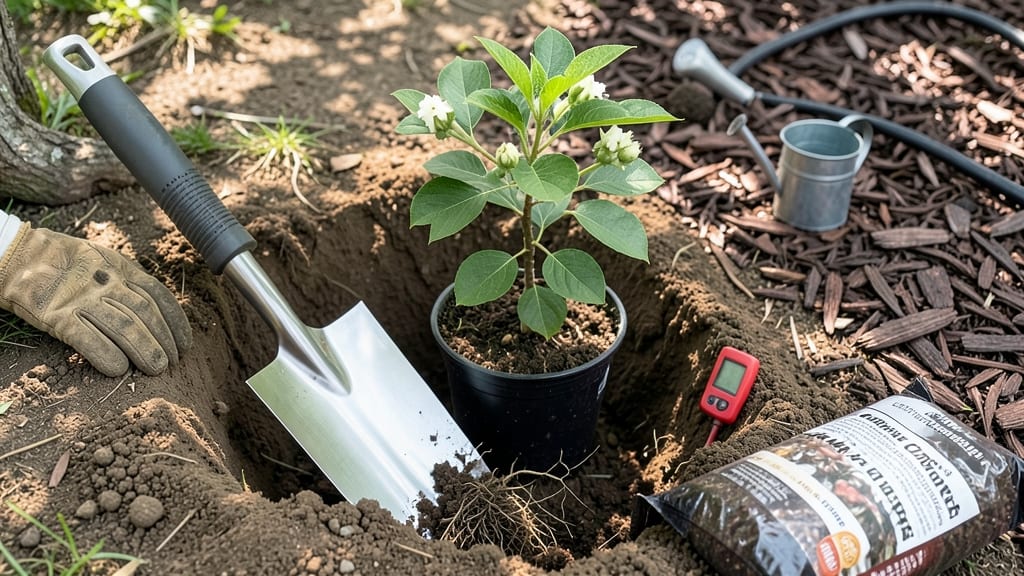
Planting a dogwood tree 🌳 in fall gives it a critical head start—roots grow strong before winter, setting the stage for stunning spring blooms. But the clock is ticking: too early, and roots might freeze; too late, and they won’t anchor before dormancy.
The sweet spot? October to November, when soil stays warm enough for growth but temperatures drop to protect tender shoots.
For USDA Zone 6a (like much of the Midwest), aim to plant 4-6 weeks before your first frost—usually mid-October. Northern growers should push closer to November, while Southerners can start as early as September.
The key is letting roots establish before the ground hardens, but not so late that new growth gets nipped by cold snaps.
Why does timing matter so much? Dogwoods thrive when they balance root development with winter prep. Plant too late, and you risk weak roots struggling to support next year’s vibrant blooms.
But get it right, and you’ll see faster establishment, fewer transplant shocks, and trees that bounce back stronger after winter. Let’s break down the perfect window—and what happens if you miss it.
Whether you’re a first-time gardener or a seasoned pro, nailing fall planting means healthier trees and more spectacular displays. I’ll walk you through zone-specific deadlines, soil prep secrets, and how to tell if your dogwood is ready to ride out the winter. Ready to plant with confidence?
Optimal fall planting timeline for dogwood trees by US hardiness Zones
Dogwood trees thrive when planted in fall, but the exact timing depends on your USDA hardiness zone. In Zones 4-8, aim to plant 4-6 weeks before the first frost—this gives roots time to establish while avoiding winter freeze.
For example, in Zone 5, that’s typically late September to early October, while Zone 8 can extend planting until mid-November.
Fall planting leverages cooler temperatures and increased rainfall to encourage root growth without stressing the tree. The key is balancing root establishment with dormancy preparation. Plant too early, and roots may freeze; too late, and they won’t anchor before winter.
My rule of thumb? Soil should still be warm (above 50°F) but cooling rapidly.
Regional variations matter. In the Northeast (Zones 4-6), frost can arrive early, so prioritize early October planting. Meanwhile, the Southeast (Zones 7-8) has milder winters, allowing late October to November plantings. Always check your local frost date averages—the USDA Plant Hardiness Zone Map is a great resource.
Here’s how to adjust for early/late frosts. If your area has unpredictable cold snaps, plant 2-3 weeks earlier than the average. Conversely, in mild-winter zones, you can push planting to early December. The goal? 6-8 weeks of root growth before dormancy sets in.
Fall Planting Timeline by USDA Zone
| Zone | Ideal Planting Window | Soil Temp Goal | Frost Buffer |
|---|---|---|---|
| 4-5 | Late September – Early October | 50–60°F | 6 weeks before frost |
| 6 | Mid-September – Mid-October | 55–65°F | 5 weeks before frost |
| 7 | Late September – November | 60–70°F | 4 weeks before frost |
| 8 | October – Mid-November | 65–75°F | 3 weeks before frost |
*Adjust for early frosts by planting 2-3 weeks earlier.
Understanding root growth stages is critical. Dogwood roots need 4-6 weeks of warm soil to establish before dormancy. In Zone 5, this means planting by October 1st—any later, and roots may not harden off before winter.
Use a soil thermometer to confirm temps are ideal; roots grow best between 50–70°F.
For container-grown dogwoods, fall planting works differently. These trees have established root balls and can handle cooler soil. Plant them 2-3 weeks later than bare-root varieties—typically mid-October to November in most zones. Just ensure the root ball stays moist until the ground freezes.
Pro tip: Mulch heavily after planting to insulate roots. Use 3–4 inches of organic mulch (like shredded bark) and keep it 6 inches away from the trunk.
This mimics winter’s natural insulation while preventing soil heaving from freeze-thaw cycles. In Zone 4, add an extra layer of mulch for added frost protection.
If you’re in a transition zone (e.g., Zone 6b), err on the side of earlier planting. These areas can have unpredictable frosts, and dogwood roots need time to adjust.
For example, if your average first frost is November 1st, plant by October 15th to ensure roots have 4 weeks of growth before dormancy.
Finally, water deeply after planting and once more in late fall (before soil freezes). This encourages root expansion into the surrounding soil. Avoid overwatering—soggy soil can suffocate roots and lead to rot. Aim for 1–2 inches of water per week until the ground freezes.
With the right timing, your dogwood will burst into vibrant blooms next spring—proof that fall planting pays off. Just remember: zone matters, soil temp is key, and mulch is your best friend during winter. 🌳
Optimal fall planting timeline for dogwood trees by US hardiness Zones
Dogwood trees thrive when planted during fall’s 4-6 week window before your first frost—this gives roots time to establish without freezing.
Your USDA hardiness zone dictates the exact timing: Northern regions (Zones 4-5) should plant in mid-October to early November, while Southern zones (6-8) can start as early as late September. The goal? Let roots grow but avoid late-season flushes that freeze before winter.
For example, in Zone 6a (like much of the Midwest), aim for October 15–November 15. Check your local frost dates—planting too early (like September) risks roots freezing, while waiting too late (December) leaves them vulnerable to winter stress.
Pro tip: Use a soil thermometer to ensure temps stay above 40°F for root growth.
Here’s how to adjust for early/late frosts: If your area has unpredictable cold snaps, push planting to the later end of the window. Conversely, if your fall stays mild, you can start earlier. Always prioritize root establishment over shoot growth—healthy roots mean a stronger tree next spring.
| Zone | Ideal Planting Window | Soil Temp Goal | Root Growth Target |
|---|---|---|---|
| 4-5 (Cold Climates) | Mid-October to early November | 45–55°F | 3–4 inches of roots |
| 6-7 (Midwest/South) | Late September to mid-November | 50–60°F | 4–6 inches of roots |
| 8 (Gulf Coast) | Early October to December | 55–65°F | 5–7 inches of roots |
Regional microclimates matter too. Urban areas often stay warmer, extending your planting window, while rural spots may freeze earlier. If you’re unsure, err on the earlier side—dogwood roots grow faster in warm soil but can’t recover if frozen. Always water deeply after planting to encourage root spread before dormancy.
One last tip: Avoid planting if frost is forecast within 2 weeks. Roots need time to harden off, and a sudden freeze can stunt growth. Check your local National Weather Service for frost predictions and adjust your timeline.
With the right timing, your dogwood will reward you with bold spring blooms and decades of shade.
Ready to plant? Grab your gloves and let’s get those roots growing—just don’t wait too long! 🌳