
Companion Plants
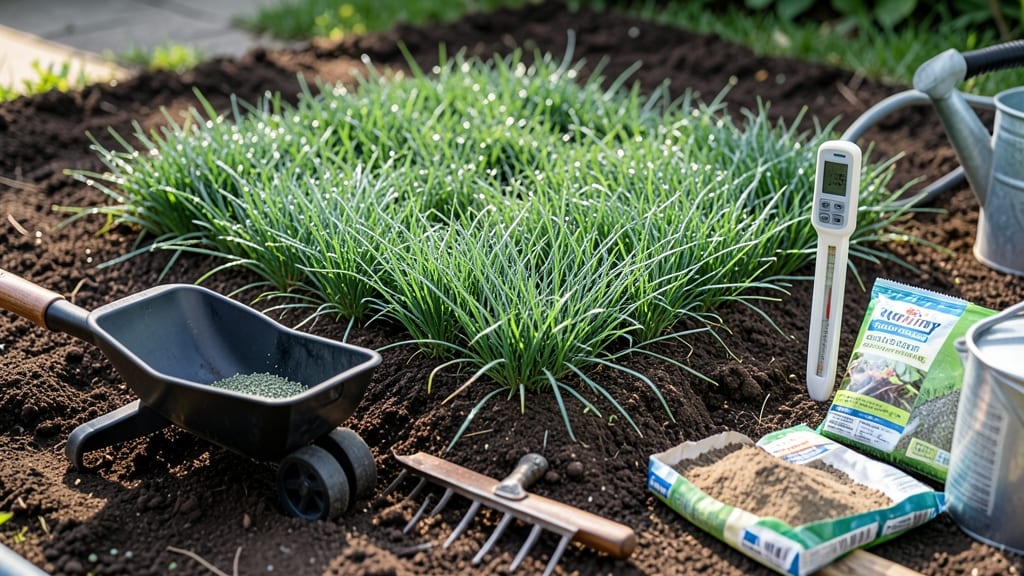
Planting grass seed in Michigan at the wrong time can mean weeks of waiting for that lush, green lawn—if it even takes at all.
The perfect window isn’t just about the calendar; it’s about soil warmth, frost dates, and regional quirks that make all the difference between a thriving lawn and a patchy disappointment.
Michigan’s 5b-6b climate zones throw a curveball with unpredictable springs and early falls, but timing your grass seed just right ensures strong root growth before winter sets in.
Whether you’re in the Upper Peninsula or southern Detroit, knowing when to plant—like early spring or late fall—can save you from wasted seed and frustration.
I’ll break down the ideal months, soil prep secrets, and how to adjust for Michigan’s unpredictable weather. Skip the guesswork and get a lawn that’s the envy of the neighborhood by summer—no matter where you live in the state.
Ready to turn your yard into a green oasis? Let’s dive into the exact steps and timing that’ll make your grass seed succeed—no matter what Mother Nature throws your way.
Best months to plant grass seed in Michigan for optimal germination
Timing your grass seed planting in Michigan is all about avoiding frost and embracing the ideal soil temperatures of 50–65°F. The Upper Peninsula and northern regions have shorter growing seasons, while southern areas like Detroit enjoy a few extra weeks.
Let’s break down the best windows for spring and fall planting to ensure your lawn thrives.
Spring planting kicks off as soon as the ground thaws and stays workable—typically late March to mid-April in most of Michigan. For the Upper Peninsula, wait until mid-April to early May to avoid late frosts.
The key is planting 4–6 weeks before your last frost date, which varies from April 15 in southern Michigan to May 15 in the north.
Fall is the gold standard for grass seed planting in Michigan because cooler temps and consistent rainfall create perfect conditions. Aim for late August to mid-October, stopping 6–8 weeks before your first frost (usually October 15).
In the Upper Peninsula, shift this window to early September to early October to avoid early snow.
Here’s how Michigan’s climate zones influence your timing:
| Region | Spring Planting Window | Fall Planting Window | Key Consideration |
|---|---|---|---|
| Southern Michigan (Detroit, Ann Arbor) | Late March–Mid-April | Late August–Mid-October | Warmer soil thaws earlier |
| Central Michigan (Grand Rapids, Lansing) | Mid-April–Early May | Early September–Early October | Moderate frost risk |
| Upper Peninsula (Marquette, Houghton) | Mid-April–Early May | Early September–Early October | Shorter growing season |
For cool-season grasses like Kentucky Bluegrass and Fescue (the best choices for Michigan), focus on spring and fall. Warm-season grasses like Bermuda aren’t ideal here—they struggle with Michigan’s cold winters.
Always check the 7-day forecast before planting to avoid rain delays, which can wash seeds away or create muddy conditions.
Pro tip: Use a soil thermometer to confirm temps are 50°F or above. If you’re in doubt, err on the side of fall planting—it gives seeds time to establish roots before winter dormancy. Just be sure to cover seeds lightly with straw if frost threatens early.
Michigan’s rainfall patterns also play a role. Spring often brings consistent moisture, while fall can dry out faster. If you’re planting in late fall, keep a watering schedule until the ground freezes. In drought-prone areas like western Michigan, prioritize fall planting when natural rainfall is more reliable.
Finally, don’t overlook microclimates. A south-facing lawn warms up faster in spring, while shaded areas may need a 1–2 week delay. Observe your yard’s behavior over a few years to fine-tune your timing.
With the right approach, you’ll have a thick, green lawn that’s the envy of your neighborhood by next summer.
Best months to plant grass seed in Michigan for optimal germination
Michigan’s two best windows for planting grass seed are early spring (March-April) and late summer/fall (October-November), but timing depends on your region. The Upper Peninsula’s cooler climate shifts these windows earlier by 2-3 weeks compared to southern Michigan’s Detroit or Grand Rapids areas.
For spring planting, aim for after the last frost date (typically mid-April in southern Michigan, May in the UP). Soil temperatures should reach at least 50°F—use a soil thermometer to check. Fall planting works best 4-6 weeks before frost (early October in the south, September in the UP).
Missed the window? September is your backup month—it offers warm soil and cooler air, reducing stress on young seedlings. Just avoid planting when daytime temps exceed 85°F or nights dip below 40°F, as both extremes stunt germination.
Michigan Grass Seed Planting Windows by Region
| Region | Ideal Planting Months | Soil Temp Requirement | Key Consideration |
|---|---|---|---|
| Southern Michigan (Detroit, Grand Rapids) | March-April, October-November | 50°F+ | Warmer microclimates extend fall window |
| Northern Michigan (Traverse City, UP) | April-May, September-October | 55°F+ | Cooler soils delay spring planting |
| All Regions (Backup) | September | 60°F+ | Best for missed windows; cooler air reduces stress |
🌱 Pro Tip: Check your local USDA Plant Hardiness Zone (5b-6b in Michigan) for precise frost dates.
Cool-season grasses like Kentucky bluegrass and fescue (common in Michigan) thrive when planted in fall because they establish roots before winter. Warm-season grasses like Bermuda (rare in Michigan) prefer late spring planting—though they’re not ideal for our climate.
For new lawns, spring planting gives grass a full growing season before winter, while fall planting reduces competition from weeds. Over-seeding existing lawns? Fall is your best bet—cool temps mean less watering stress. Just avoid planting when rainfall exceeds 1 inch/week, as it can wash away seed.
Use Michigan’s 160 frost-free days to your advantage: Plant grass seed when you’ve got 6-8 weeks of warm weather ahead. In the UP, that might mean late August for fall planting, while southern Michigan can stretch to mid-November.
Always check your local Almanac frost dates—they’re your best friend for timing!