Plants
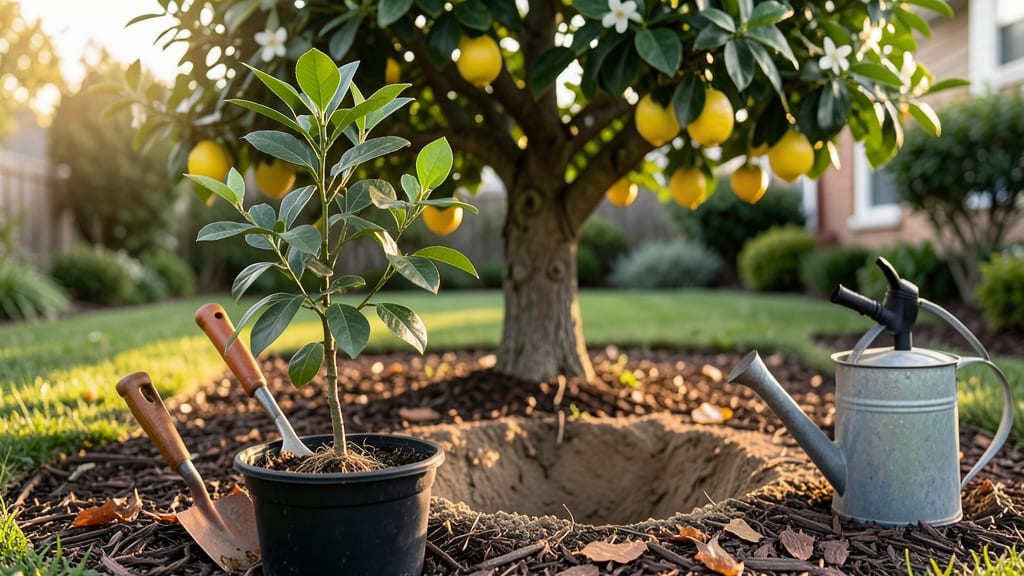
Timing your 🍋 lemon tree planting in California isn’t just about the calendar—it’s about surviving the state’s wild climate swings from coastal fog to inland heat domes. Get it wrong, and your citrus sapling could face frost shock or stunted growth, no matter how much love you pour into it.
I’ve watched lemon trees thrive in Zone 11’s year-round warmth while others in Zone 8’s inland valleys barely make it past winter. The difference? Knowing exactly when to plant based on your county’s microclimate—whether you’re in foggy San Francisco or sunbaked Riverside.
In this guide, I’ll break down the ideal planting windows by region, so you can avoid common mistakes like planting too early in frost-prone areas or waiting too long in heat zones.
You’ll also learn how to prep your soil and adjust for rainfall patterns that can make or break your tree’s first year.
Ready to turn your backyard into a citrus oasis? Let’s get started with the perfect timing for your lemon tree’s best shot at success.
Optimal planting months for lemon trees by California county heat zones
California’s diverse microclimates mean the best time to plant lemon trees varies dramatically from cool coastal areas to hot inland valleys. In Zone 8 (Central Valley), like Fresno or Bakersfield, aim for late February to early April to avoid late frost risks.
Meanwhile, Zone 11 (San Diego, Palm Springs) allows year-round planting, though spring (March-May) ensures ideal soil warmth.
Coastal regions like Santa Barbara or Monterey (Zone 9-10) benefit from extended planting windows—January through April—thanks to milder winters. However, fog-prone areas may need soil temperature checks before planting, as cool, damp soils can stunt root growth.
Always verify your USDA Zone using the California Climate Zones map for precision.
For container-grown lemon trees, timing shifts slightly: spring (March-April) remains ideal, but fall (September-October) works in Zone 10+ to establish roots before winter.
Dwarf varieties, like 'Meyer' or 'Improved Meyer', adapt better to urban heat islands (e.g., Los Angeles), where summer planting can succeed with extra shade during establishment.
| California Region | USDA Zone | Best Planting Months | Key Considerations |
|---|---|---|---|
| North Coast (Eureka, Redding) | 8-9 | March–April | Avoid frost; use row covers if late frost risk |
| Central Valley (Sacramento, Fresno) | 9-10 | February–April | Soil temps must exceed 60°F; irrigate well |
| Bay Area (San Francisco, Oakland) | 9b-10 | January–April | Cooler soils; amend with compost for warmth |
| Southern California (LA, San Diego) | 10-11 | Year-round (best: March–May) | Watch for heat stress in summer plantings |
| Desert (Palm Springs, Joshua Tree) | 10-11 | September–November | Avoid summer; mulch heavily to retain moisture |
In Zone 8 counties like Madera or Tulare, late frost dates can extend into March, so monitor local National Weather Service alerts. Planting after March 15 reduces frost damage risk.
For coastal fog belts (e.g., Big Sur), soil temperature is more critical than air temperature—use a soil thermometer to confirm 60°F+ before planting.
Urban gardeners in Los Angeles or San Diego often plant in spring (March-April) to align with rainfall patterns, but drip irrigation can extend windows. Meyer lemon trees, a popular dwarf variety, thrive in Zone 9-11 and tolerate urban heat better than standard types.
Always choose dwarf or semi-dwarf varieties for containers or small yards.
If you’re in Northern California (Zone 8-9), avoid fall planting—cool soils and winter rains can lead to root rot. Instead, focus on early spring when soil microbes are active. For Southern California, fall planting (September-October) works well, giving roots time to establish before summer heat.
Pro tip: Bare-root lemon trees plant best in winter or early spring, while container-grown trees offer flexibility. If buying potted trees, check root growth—roots circling the pot indicate it’s time to transplant. Always water thoroughly after planting to eliminate air pockets in the soil.
For container gardening, 15-gallon pots work for dwarf varieties, but larger pots (25+ gallons) support standard trees. Use well-draining citrus mix with perlite or sand to prevent root suffocation. Place containers in full sun (6+ hours) and protect from wind, which can stress young trees.
Remember: Lemon trees hate soggy roots. Amend heavy clay soils with compost or sand to improve drainage. In sandy soils
How to adjust planting time based on soil temperature and rainfall patterns
California’s microclimates create dramatic differences in soil warmth and rainfall patterns, forcing gardeners to adapt planting schedules county by county. Coastal fog belts like Santa Cruz stay mild year-round, while inland valleys like San Joaquin experience hot summers and chilly winters.
Even urban heat islands in LA can push soil temps 10°F warmer than nearby rural areas.
For lemon trees, soil temperature is the #1 factor—roots need 60°F+ to establish before transplanting. Use a soil thermometer to check depth (6 inches down).
In coastal zones (USDA 9b-11), you can plant year-round when soil warms, but inland Zone 8-9 areas must wait until after last frost (typically March 15-April 15).
Rainfall also shifts timing: Northern California gets winter rains that can waterlog soil, delaying planting until spring when excess moisture drains. Meanwhile, Southern California deserts (like Riverside) benefit from fall planting to leverage winter rains for root growth. Always amend sandy soils with compost to retain moisture.
🌱
- 🌊 Coastal Fog Zones (e.g., Monterey, Santa Barbara): Plant anytime soil >60°F—even fall/winter for container-grown trees. Use drip irrigation to prevent fungal rot from coastal humidity.
- ☀️ Inland Valleys (e.g., Central Valley, San Fernando): Wait for March-April when soil hits 65°F+. Mulch heavily to retain moisture during summer dry spells.
- 🏙️ Urban Heat Islands (e.g., LA, San Diego): Plant late winter (Feb) to beat summer heat. Use light-colored mulch to reduce soil temps by 5-8°F.
- 🏜️ Desert Regions (e.g., Palm Springs, Riverside): Fall planting (Sept-Oct) leverages winter rains. Water deeply 2x/week for first 3 months to establish roots.
Don’t rely solely on calendar months—monitor local weather patterns. For example, Big Sur’s coastal redwood forests can have 50°F soil temps in summer due to fog, while 10 miles inland in Carmel Valley, soil may hit 80°F.
Use weather stations like NOAA or local CoCoRaHS data to track your specific area’s soil moisture and temperature trends.
Irrigation strategies also adjust timing: Drip systems let you plant earlier in spring by ensuring consistent moisture, while overhead sprinklers can delay planting until fungal risks (like citrus greening) subside in summer.
Always water deeply at planting—1-2 gallons for young trees—to encourage root growth into warmer subsoil layers.
Pro tip: If planting in containers, use black pots in cool zones—they absorb 10% more heat than white, speeding up root establishment. For ground-planted trees, choose south-facing slopes to maximize soil warmth by 2-4°F compared to flat ground.
☀️