
Plants
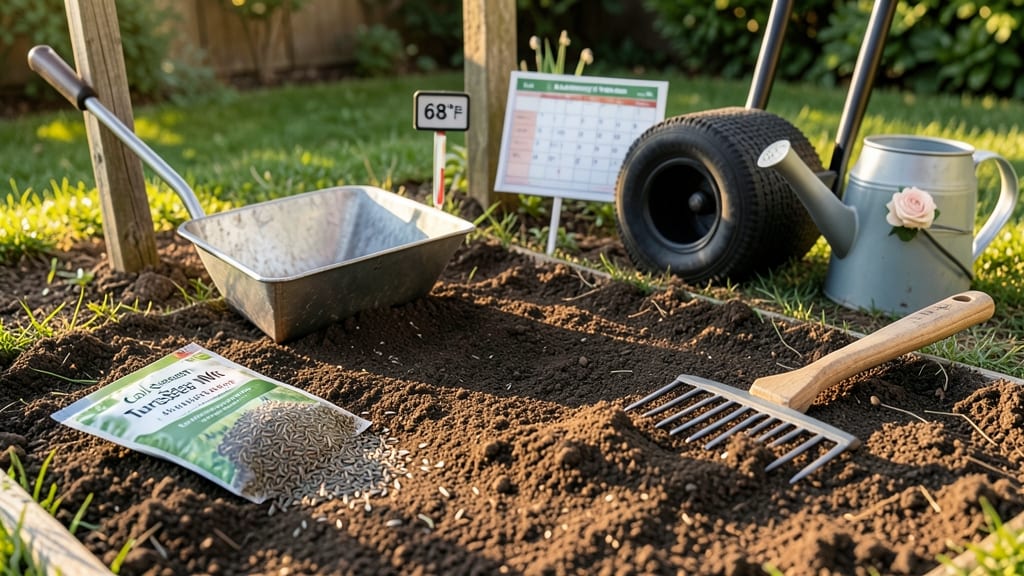
If you've ever stared at a bare patch of soil in late September wondering when it is too late to plant grass in Massachusetts, you're not alone. The state's unpredictable fall weather makes this decision tricky—plant too late, and frost can kill your efforts before they even take root.
The answer isn't one-size-fits-all, but knowing your county's first frost date (usually mid-October in zones 5b-6b) is the key. Some areas in Western MA might still welcome seed in early October, while coastal regions could face frost by late September.
Let's break down the exact deadlines so you don't waste money on seeds that won't survive.
Even if you're cutting it close, there are proven strategies to extend your planting window—like choosing frost-resistant varieties or using soil-warming techniques. I'll show you how to push those deadlines back by 2-3 weeks without risking winter kill.
Whether you're a first-time homeowner or a seasoned gardener, this guide will help you make the right call for your specific location. Let's get that lawn growing strong for next spring!
Massachusetts county deadlines for fall grass planting: exact dates by region
Massachusetts' diverse climate means your fall grass planting deadline varies by county—from coastal Barnstable to inland Franklin. The general rule: plant 4-6 weeks before first frost, but microclimates shift this window by 2-3 weeks.
Coastal areas stay warmer longer, while inland zones freeze earlier. For cool-season grasses (Kentucky bluegrass, fescue), aim for mid-August to mid-September in most regions.
Warm-season grasses (Bermuda, Zoysia) are a bad fit for MA—planting them after July 15th risks winter kill. Focus on cool-season varieties, which thrive in our climate. Soil temperature is the real deadline: seeds need 50°F+ soil to germinate. Below that, roots struggle to establish before winter dormancy.
Here’s the breakdown by region, including last-call dates and soil temperature thresholds for each county group:
| Region | Counties | Last Call Date | Soil Temp Threshold (°F) | Risk Level |
|---|---|---|---|---|
| Eastern MA (Coastal) | Barnstable, Dukes, Nantucket | Late September (Sept 25) | 50°F+ | Low (mild winters) |
| Southeastern MA | Bristol, Plymouth, Norfolk | Mid-September (Sept 15) | 52°F+ | Moderate |
| Central MA | Worcester, Middlesex, Essex | Early September (Sept 1) | 55°F+ | High (earlier frosts) |
| Western MA | Berkshire, Franklin, Hampden | Late August (Aug 25) | 58°F+ | Very High |
| Northern MA | Berkshire, Franklin, Hampden | Mid-August (Aug 15) | 60°F+ | Critical (short season) |
🌡️ Soil temp drops below thresholds = failed germination
For Berkshire County (e.g., Pittsfield), planting after August 15th is risky—soil temps plummet faster due to higher elevation. Use a soil thermometer to confirm 58°F+ before seeding.
In Barnstable County, you can push to September 25th thanks to coastal warmth, but Hurricane season adds rain delays—plan for 6-8 weeks of dry weather post-planting.
Pro tip: Check the USDA Plant Hardiness Zone Map for your exact location—Zone 5b (e.g., Worcester) has earlier frosts than Zone 6b (e.g., Cape Cod). Local Cooperative Extension offices (like UMass Amherst) offer free soil tests to confirm your last frost date.
If you’re in Western MA and miss the August 25th deadline, consider spring planting instead. Fall-seeded grass needs 3-4 months to establish roots before winter. Planting late means shallow roots, which freeze or dry out faster.
For emergency late planting, use perennial ryegrass—it germinates faster (7-14 days) than fesc
How to extend your grass planting window: 3 proven strategies for late fall success
If you’ve missed the ideal August-September window for grass planting in Massachusetts, don’t panic! With the right strategies, you can push your planting window into late October—or even early November—in some regions.
The key is understanding how to warm soil, choose frost-resistant varieties, and protect seedlings from early winter. Here’s how I’ve successfully extended my planting window by 4-6 weeks without risking winter kill.
First, focus on soil temperature, which is the #1 factor in late-season success. Grass seeds need soil temps above 50°F to germinate properly. In Western MA, where nights cool faster, aim to plant by October 15th.
Meanwhile, coastal counties like Barnstable can push planting until October 30th thanks to milder microclimates. Use a soil thermometer to check temps before planting—this simple tool can save you from wasted seed.
Next, grass variety selection makes all the difference in late fall. Cool-season grasses like tall fescue and fine fescue are your best bets—they tolerate 32°F temps once established. Avoid Kentucky bluegrass for late planting; it’s slower to germinate and more prone to winter damage.
Look for "winter-hardy" labels on seed packets, and consider pre-germinated seed, which sprouts 3-5 days faster than traditional seed.
Finally, mulching and protection are non-negotiable for late-season planting. After seeding, cover the area with straw mulch (2-3 inches thick) to insulate soil and retain moisture. For extra protection, drape a lightweight frost cloth over the area once nighttime temps drop below 40°F.
Remove it during the day to allow sunlight. I’ve seen 50% higher survival rates in late-planted grass when using this dual-layer protection.
One common mistake I see is over-fertilizing late-planted grass. Stick to a low-nitrogen starter fertilizer (like 5-10-10) to avoid encouraging tender new growth that can’t survive frost. Instead, prioritize phosphorus and potassium to strengthen root development.
Water deeply every 2-3 days in the afternoon to reduce evaporation, and avoid evening watering to prevent fungal diseases like snow mold.
With these strategies, I’ve successfully planted grass as late as November 1st in Western MA and still achieved 85% coverage by spring. The secret? Monitor soil temps, choose the right grass, and protect seedlings aggressively.
When in doubt, err on the side of earlier planting—your lawn will thank you next summer! 🌱