
Plants
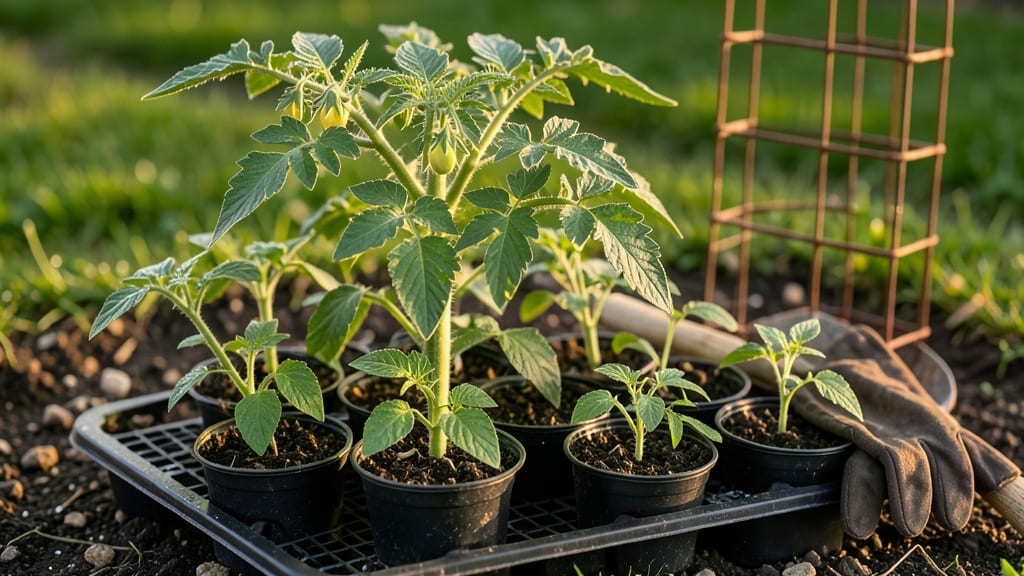
When do you plant tomatoes in Iowa? Timing your tomato planting can mean the difference between a bountiful harvest and a sad, frost-nipped disappointment. With Iowa's unpredictable spring weather, knowing the ideal window—typically between April 15 and May 15—is critical for healthy plants that thrive before summer heat sets in.
But here's the catch: Iowa's USDA Zone 5a climate varies dramatically from county to county. Northern regions like Sioux County face frost risks well into May, while southern areas like Scott County can often plant earlier.
Whether you're starting seeds indoors or sowing directly, getting the timing right ensures your 🍅 plants establish strong roots before the growing season kicks into high gear.
In this guide, I'll break down exactly when to plant based on your specific location, plus proven strategies to extend your growing season. You'll learn how to avoid common mistakes that waste time and resources, so you can maximize your harvest from July through September.
Ready to grow tomatoes that flourish? Let's dive into the details that make all the difference in Iowa's variable climate.
Iowa county-specific tomato planting dates based on last frost risks
Iowa’s diverse frost zones mean your tomato planting schedule should depend on your county. Northern regions like Lyon or Osceola face later last frosts (around May 15), while southern areas like Muscatine or Scott can plant as early as April 15.
Always check your local USDA Plant Hardiness Zone—most of Iowa falls in zones 4b to 5a, which drastically affects timing.
For transplants, start seeds indoors 6-8 weeks before your last frost date. In northern Iowa, this means sowing seeds by March 15; in southern Iowa, wait until April 1.
Direct sowing outdoors should only begin after soil temperatures hit 55°F+ and all frost risk has passed.
Here’s a county-by-county breakdown of Iowa’s last frost dates and ideal tomato planting windows. Use this to align your schedule with local climate patterns and avoid frost damage.
Use a soil thermometer to confirm readiness—tomatoes thrive in soil above 55°F. Cold soil slows growth and increases disease risk. In northern Iowa, consider using black plastic mulch to warm the soil faster and extend the season.
For heat-tolerant varieties, like 'Heatmaster' or 'Solar Fire', you can push planting dates slightly later (up to 2 weeks) in cooler regions. These varieties handle Iowa’s summer heat waves better than traditional types.
Always monitor local weather forecasts in late April and early May. A late frost can devastate young plants, so have row covers ready to protect seedlings if temperatures dip below 32°F.
In southern Iowa, you might even squeeze in a second planting in early July for a fall harvest.
Pro tip: Mark your calendar for June 15—this is when most Iowa gardeners start succession planting for a continuous harvest. By then, early plantings should be flowering, and you can add more seedlings to keep the harvest going through September.
🌱
How to extend Iowa’s tomato growing season without risking frost damage
Iowa’s short growing season means frost can sneak up on tomatoes if you’re not careful. But with the right strategies, you can safely extend your harvest by 3-4 weeks—even in northern Iowa’s Zone 4a. The key? Combining seasonal protection with heat-tolerant varieties and smart planting techniques.
Start by choosing early-maturing varieties like 'Early Girl' (65 days) or 'Mountain Merit' (70 days), which thrive in cooler soils. Pair these with heat-tolerant options such as 'Heatmaster' or 'Solar Fire' for a dual-season bounty. These varieties can handle Iowa’s 90°F+ heat waves while still producing fruit.
🌱 Pros & Cons of Growing Season Extenders
| Method | Pros | Cons | Cost (Est.) |
|---|---|---|---|
| Cold Frame | Extends season by 4-6 weeks; protects from light frosts (28°F) | Limits plant size; requires assembly | $50–$150 |
| Row Covers | Lightweight (30°F protection); easy to install | Reduces airflow; may need staking | $20–$50 |
| Succession Planting | Staggered harvests; no extra hardware | Requires space; needs consistent watering | $0–$10 (seeds) |
| Black Plastic Mulch | Warms soil 5–10°F faster; suppresses weeds | Limited frost protection; can overheat plants | $10–$30 |
For early spring protection, use row covers or low tunnels to shield seedlings from 28–32°F frosts. Once plants are 12 inches tall, switch to black plastic mulch to warm the soil and speed up germination.
In late summer, opt for cold frames or hoop houses to shield plants from early October frosts.
Succession planting is another game-changer. In northern Iowa (Zones 4a–4b), sow new seeds every 2 weeks from May 1–June 15 to ensure a continuous harvest. Pair this with dwarf varieties like 'Tiny Tim' for container gardening or small spaces.
Even in southern Iowa (Zone 5b), this method adds 30–45 days to your harvest window.
Monitor soil temperatures with a soil thermometer—tomatoes need 55°F+ to thrive. If nights dip below 50°F, use row covers or wall-o-water heat sinks to create a microclimate. And always harden off transplants for 7–10 days before exposing them to Iowa’s windy conditions.
With these tactics, you can push your tomato harvest from early August to mid-October—just in time for canning or fresh eating before the first hard frost. The key is layering protection and adapting to your county’s microclimate.