
Plants
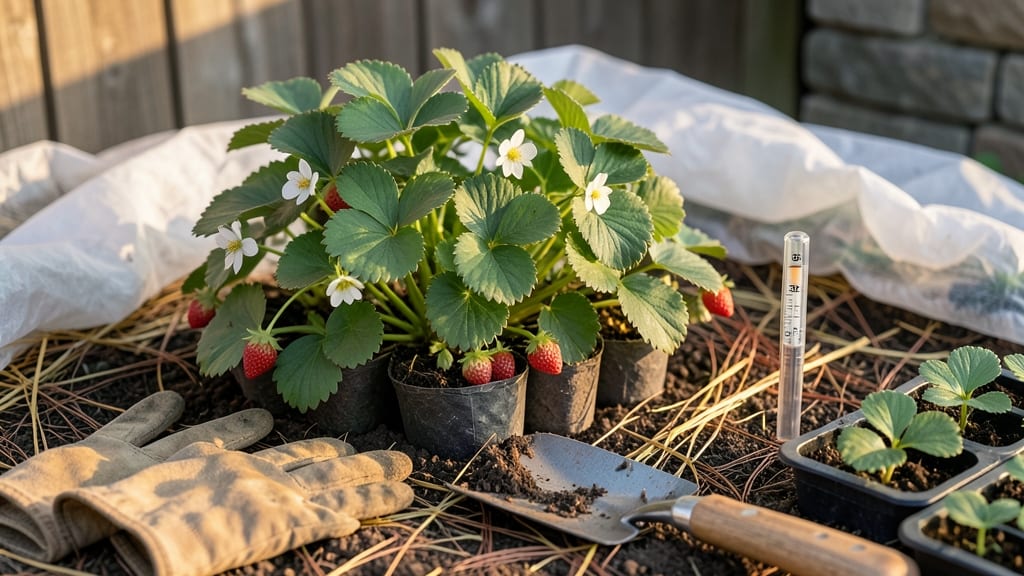
Timing your strawberry planting in Missouri can mean the difference between a bountiful harvest and wasted effort—especially when frost dates shift unpredictably from year to year.
Whether you're a first-time gardener or a seasoned grower, getting those 🍓 roots in the ground at the right moment is critical for survival through Missouri's chilly springs.
Missouri's USDA zones 5b-6b offer two prime windows: early spring (March–April) or fall (August–September), but the key lies in soil temperature and last-frost averages. Plant too early, and a late freeze could kill your tender seedlings; wait too long, and you’ll miss the sweet spot for a summer harvest.
Let’s break down the exact frost-free timeline you need to avoid common mistakes and maximize your berry yield.
From St. Louis to Kansas City, regional microclimates play a huge role in when you should plant. We’ll cover how to adjust for your specific area, whether you’re working with bare-root plants or potted varieties, and how soil prep can give your strawberries a head start.
With the right approach, you’ll be enjoying homegrown strawberries by June or September, depending on your planting strategy.
Ready to skip the guesswork? I’ll walk you through Missouri-specific tips—like mulching for frost protection, choosing cold-hardy varieties, and even how to extend your growing season with simple tools. Your perfect strawberry patch starts with the right timing, and this guide makes it easy.
Missouri strawberry planting timeline by last frost dates
Missouri’s USDA zones 5b-6b create a unique challenge for strawberry growers. The last frost date varies dramatically—from April 1-15 in northern Missouri to March 15-April 1 in southern regions. This means your planting window shifts by 3-4 weeks depending on where you live.
For example, St. Louis gardeners can start as early as late February, while Kansas City growers should wait until mid-March.
Understanding these regional differences is critical because strawberries are frost-sensitive once they emerge. Planting too early risks frost damage to tender new growth, while waiting too long cuts your harvest window short.
The key is timing your planting so plants establish roots but avoid late spring frosts that can devastate your crop.
Here’s the exact frost-free timeline broken down by Missouri’s three key regions—Northern, Central, and Southern—plus how to adjust for microclimates like urban heat islands or sheltered valleys. This ensures you plant at the optimal time for your specific location.
| Region | USDA Zone | Last Frost Date | Ideal Planting Window | First Harvest |
|---|---|---|---|---|
| Northern MO (e.g., St. Joseph, Kirksville) | 5b | April 15 | March 15-April 1 | Late June |
| Central MO (e.g., Columbia, Jefferson City) | 6a | April 1 | March 1-April 15 | Mid-June |
| Southern MO (e.g., St. Louis, Springfield) | 6b | March 15 | February 20-March 15 | Early June |
| Fall Planting (All Regions) | 5b-6b | First Frost (Oct 15) | August 15-September 15 | September-October |
📍 Note: Adjust for microclimates—sheltered spots may frost 1-2 weeks later.
For spring planting, aim to get strawberries in the ground 4-6 weeks before your region’s last frost date. This gives roots time to establish before active growth begins.
For example, in St. Louis (Zone 6b), planting between February 20 and March 15 ensures you’re ready for early June harvests. In northern Missouri (Zone 5b), wait until mid-March to avoid late frost risks.
Missouri’s fall planting window (August-September) is equally important for a second harvest. Plant everbearing varieties like ‘Albion’ or ‘Seascape’ in late summer to enjoy berries through September and October. Fall-planted strawberries need 6-8 weeks to establish roots before winter, so don’t wait until October.
Pro tip: Use soil thermometers to confirm soil temperatures are consistently above 40°F (4°C) before planting. Cold soil slows root growth, making plants vulnerable to winter dieback. In Missouri’s Zone 5b, this often means waiting until mid-April for spring planting.
Missouri’s first frost typically arrives between October
How to extend your Missouri strawberry growing season
Missouri’s short growing season and unpredictable late frosts can limit your strawberry harvest, but with the right strategies, you can enjoy berries from early June to October. The key is choosing the right varieties and protecting your plants from frost.
For example, everbearing varieties like 'Chandler' produce two harvests—one in spring and another in fall—while June-bearing types like 'Jewel' focus on a single, larger harvest in late spring.
To push your harvest window, consider planting cold-hardy varieties like 'Seascape' or 'Albion' in early spring. These varieties tolerate light frosts better than others, giving your plants a head start.
Another trick is to use row covers or cloches to protect plants during late spring frosts, which can extend your harvest by 2-3 weeks.
For a fall harvest, plant strawberries in early August so they establish roots before winter. Choose day-neutral varieties like 'Tristar' or 'Fort Laramie', which continue producing berries into fall. Mulching with straw or leaves insulates roots and protects against early frosts, while also suppressing weeds.
Container growing is another smart strategy for Missouri gardeners. Potted strawberries warm up faster in spring and can be moved to protected microclimates like sunny patios or greenhouses.
Start container plants indoors in February and transplant them outdoors after the last frost date. This method also makes it easier to rotate crops and prevent soil-borne diseases.
June-Bearing vs. Everbearing Strawberries for Missouri
June-Bearing
- ✅ One large harvest in late spring
- ✅ Larger berries and higher yields
- ✅ Best for fresh eating and freezing
- ❌ No fall harvest
- ❌ Requires replanting every 3-4 years
Everbearing
- ✅ Two harvests per year (spring + fall)
- ✅ Longer production window
- ✅ Better for containers
- ❌ Smaller berries than June-bearing
- ❌ Less consistent yields in hot summers
Everbearing varieties perform best in Missouri’s climate with proper frost protection.
Soil warming is another game-changer for early planting. Use black plastic mulch or landscape fabric to raise soil temperatures by 5-10°F, helping roots establish faster. This technique is especially useful in Northern Missouri (USDA Zone 5b), where soils stay cold longer.
Pair this with a drip irrigation system to maintain consistent moisture without overwatering.
Finally, plan for succession planting by staggering your strawberry varieties. Plant June-bearing types in early spring for a late-spring harvest, then add everbearing or day-neutral varieties in late summer for a fall crop. This approach ensures you have fresh berries from June through October, even in Missouri’s variable climate.