
Plants
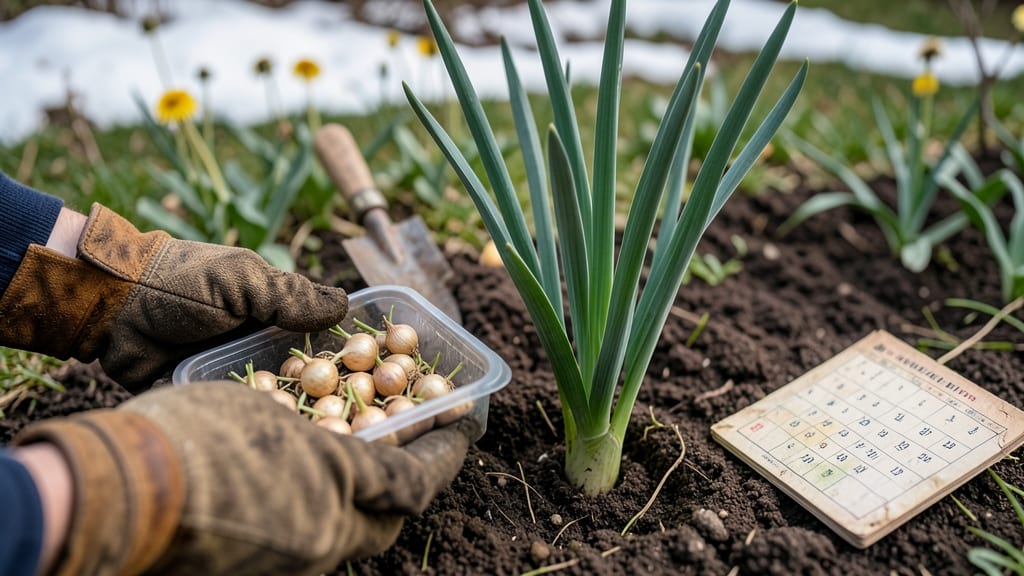
Planting onions in Ohio at the wrong time can turn your 🧅 dreams into bitter disappointment—too early, and you’ll get tough, bolting bulbs; too late, and your harvest barely starts.
But here’s the secret: Ohio’s Zone 6a climate actually gives you two prime windows—spring and fall—for perfect onions, whether you’re growing sweet green tops or plump storage bulbs.
Most gardeners focus only on spring planting, but fall is where Ohio gardeners truly shine. By planting in August or September, your onions overwinter and produce sweeter, larger bulbs come summer—no bolting in sight.
The key? Timing it right based on your last frost date (April 15), soil prep, and choosing the right varieties for Ohio’s short growing season.
Whether you’re a first-time gardener or a veteran with a few failed attempts, I’ll walk you through the exact steps to nail your onion planting—from when to start seeds to avoiding common mistakes that waste your efforts. Let’s get those 🧅 growing like pros.
Ready to skip the guesswork? You’ll learn how to plant for zero bolts, when to fertilize, and even how to stretch your harvest window with fall prep. Your garden’s about to level up.
Ohio’s ideal onion planting windows: spring vs fall breakdown
Ohio’s Zone 6a climate offers two perfect windows for planting onions—spring and fall—but each requires different strategies to avoid bolting (the bitter, flower-shooting phase). Spring planting is the classic choice, but fall planting often yields sweeter, larger bulbs because the onions overwinter and mature early the next season.
Most Ohio gardeners focus on spring, but the real secret to zero-bolt onions? Fall planting. By starting seeds or sets in August or September, you let the cold winter slow growth just enough to prevent bolting while building strong roots.
The key is timing: plant 8-10 weeks before your first frost (around October 15 in Ohio), so the onions establish before the ground freezes.
For spring planting, aim for 4-6 weeks before your last frost date (typically April 15). This gives your onions enough time to grow before summer heat triggers bolting.
But here’s the catch: Ohio’s short growing season means you’ll need to choose short-day varieties like ‘Sweet Spanish’ or ‘Yellow Granex’ to avoid bolting.
Let’s break down the exact timing, soil prep, and variety choices for both seasons so you can pick the method that works best for your Ohio garden.
Ohio Onion Planting Comparison: Spring vs Fall
| Factor | Spring Planting | Fall Planting |
|---|---|---|
| Planting Window | March–April (4–6 weeks before last frost) | August–September (8–10 weeks before first frost) |
| Best Varieties | Short-day: ‘Sweet Spanish’, ‘Red Baron’ | Overwintering: ‘Yellow Granex’, ‘Texas Early White’ |
| Soil Temp | 45–55°F (plant when soil warms) | 50–60°F (plant before ground freezes) |
| Bolting Risk | High if planted too early or late | Low (cold winter prevents bolting) |
| Harvest Time | June–July (90–120 days) | August–September (next year) |
| Fertilizer Focus | Nitrogen-heavy at planting | Light feeding in fall, none in winter |
| Best For | Quick harvest, green onions | Large bulbs, storage onions |
Spring planting is simpler but riskier if you miss the window. Start seeds indoors in February for transplants, or buy sets in early March. The goal is to have onions 1–2 inches tall by the time soil warms in April.
For fall, focus on late August planting—this gives roots time to establish before frost.
Ohio’s microclimates matter too. Northern Ohio (e.g., Cleveland) has earlier frosts, so adjust your fall planting to late July–early August. Southern Ohio (e.g., Cincinnati) can push fall planting to mid-September. Always check your local USDA Zone 6a frost dates for precision.
One more critical tip: Soil temperature is your best friend. Use a soil thermometer—spring onions need 45–55°F, while fall-planted onions thrive in 50–60°F soil. Planting too early in cold soil stunts growth and invites rot.
Now that you’ve got the timing down, let’s tackle the next big question: How do you actually plant onions in Ohio for zero bolts? The answer lies in soil prep, spacing, and variety selection—all topics we’ll cover next. Ready to dig in?
Ohio’s ideal onion planting windows: spring vs fall breakdown
Ohio’s Zone 6a climate creates a unique advantage for onion growers—you can plant twice a year for two distinct harvests. The key is understanding when to plant for spring vs. fall success.
Spring planting starts in March-April, while fall planting (for overwintering) happens in August-September. Both methods avoid the dreaded bolting that ruins flavor and yield.
Spring-planted onions mature quickly, giving you a June-July harvest, while fall-planted varieties overwinter and produce sweeter bulbs in August-September. The difference? Fall planting relies on Ohio’s cold winters to slow growth, preventing bolting while building larger bulbs. Let’s break down the exact timing and conditions for each method.
🌱 Did You Know?
For spring planting, start sets or seeds indoors 6-8 weeks before last frost (early February) or direct-sow in early March when soil reaches 40°F. Fall planting requires transplants or seeds sown in mid-August to establish roots before winter.
Both methods need well-draining soil and full sun (6+ hours daily) to thrive.
Ohio’s short-day onion varieties (like ‘Sweet Sandwich’ or ‘Yellow Granex’) perform best here. Long-day varieties (e.g., ‘Texas Early White’) bolt quickly unless you plant them in fall. The table below compares the two methods side-by-side to help you choose.
Spring planting is simpler but requires vigilant bolting watch. Fall planting demands more prep (mulching, soil amendments) but rewards you with larger, sweeter bulbs. Both methods work in Ohio—choose based on your harvest goals and willingness to mulch for winter.
Pro tip: If you’re new to onions, start with spring sets (easy to plant) and save fall for next year once you’ve mastered the basics. Your 🧅 harvest will thank you!