
Plants
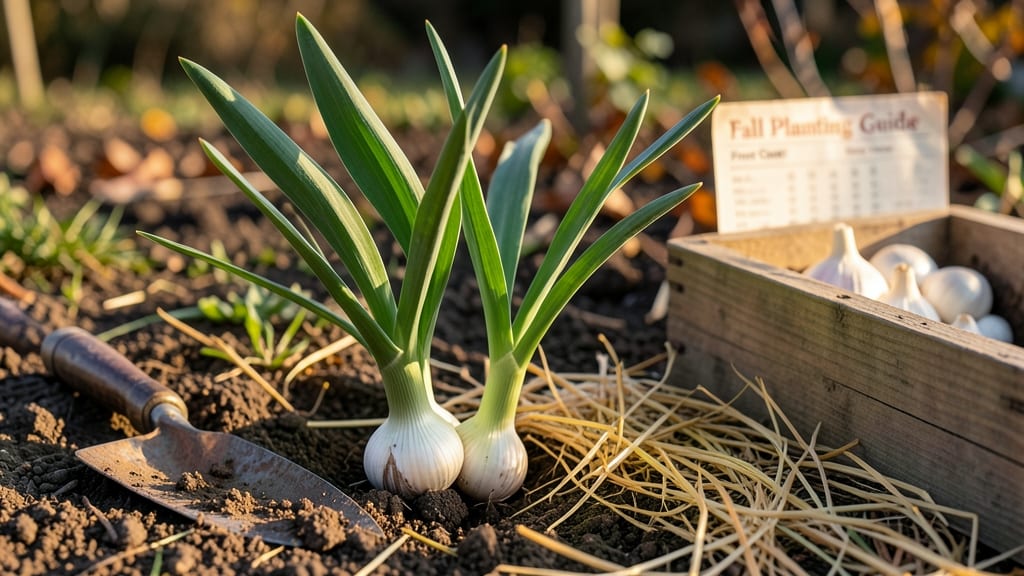
If you're asking "when do you plant garlic in Vermont", the answer isn't just about the calendar—it's about outsmarting the state's early frosts and short growing season.
Vermont's 4b-6a climate demands precision, and planting your 🧄 cloves at the wrong time could mean tiny bulbs or no harvest at all.
The key window is surprisingly short: mid-October to early November, when soil temps hover between 40–50°F—just cold enough to trigger root growth but not so chilly the cloves freeze solid.
Here's why this timing matters: garlic planted too early rots in wet soil, while late planting risks winter kill. Vermont gardeners who nail this window typically harvest larger, more flavorful hardneck varieties by late July—just in time for summer cooking.
I'll walk you through the exact steps to prep your soil, choose the right variety, and protect your crop through our brutal winters, so you can enjoy that first taste of homegrown garlic in 240 days or less.
Let me show you how to turn Vermont's challenges into your garlic-growing advantage. We'll cover soil prep secrets for rocky terrain, the best mulching techniques to survive -20°F temps, and why skipping spring fertilization actually helps.
Whether you're a first-time planter or a veteran gardener looking to boost yields, these climate-specific tips will make your garlic harvest the envy of your neighborhood.
Ready to plant with confidence? The clock is ticking—your garlic cloves need to be in the ground by October 15th at the latest. Let's get your fall prep started right.
Vermont’s ideal garlic planting window: months, soil temps, and moon phases
Garlic thrives in Vermont’s cold winters because it needs vernalization—a chilling period to form bulbs. The perfect planting window is mid-October to early November, when soil temps hit 40–50°F but before hard frost sets in.
This timing ensures roots establish before winter dormancy, while the cold helps hardneck varieties develop their prized scape stalks.
Vermont’s USDA Zones 4b–6a mean frost can arrive as early as mid-October in northern regions like Burlington or St. Johnsbury, while southern areas like Bennington may have 2–3 extra weeks. Planting too late risks winter kill; too early, and cloves may sprout before frost hardens the soil.
For hardneck garlic (Vermont’s best choice), aim for October 15th–November 1st. Softneck varieties can tolerate slightly later planting but struggle with Vermont’s harsh winters. The rooting phase—when cloves send down roots—must complete before ground freezes solid (typically by mid-December).
Lunar cycles also play a role. Planting during a waxing moon (when the moon is growing) encourages root development, while a waning moon favors above-ground growth. Vermont gardeners swear by the October full moon as an ideal time to plant, aligning with nature’s rhythms for stronger bulbs.
Soil temperature is your best indicator. Use a soil thermometer to confirm 40–50°F at 4-inch depth. If temps drop below 32°F, cover beds with straw mulch (3–4 inches thick) to insulate cloves. This buffer prevents freeze-thaw damage and ensures consistent growth through winter.
| Factor | Vermont Specification | Why It Matters |
|---|---|---|
| Planting Month | Mid-October to early November | Balances root establishment and frost timing. |
| Soil Temp | 40–50°F (4-inch depth) | Prevents premature sprouting or winter kill. |
| Moon Phase | Waxing moon (October full moon ideal) | Enhances root development for stronger bulbs. |
| USDA Zone | 4b–6a | Hardiness dictates frost dates and variety choice. |
| Variety | Hardneck (e.g., Music, German White) | Cold-hardy and produces flavorful scapes. |
Vermont’s microclimates can shift planting deadlines by weeks. For example, high-elevation areas like Stowe (Zone 4b) may need to plant by October 1st, while lower elevations like Rutland (Zone 5a) can wait until November 1st.
Check your last frost date (usually mid-December) and plant 4–6 weeks prior to ensure roots establish.
Pro tip: Test your soil for pH 6.0–7.0 before planting. Vermont’s acidic soils (common in northern regions) benefit from lime amendments (1–2 lbs per 100 sq ft) to prevent nutrient lockout.
Aim for well-draining soil—Vermont’s clay-heavy soils in areas like Barre may need compost or sand to improve aeration.
If you miss the fall window, spring planting (March–April) is possible but yields smaller bulbs. Spring-planted garlic lacks the cold vernalization needed for full flavor and size.
For best results, stick to fall planting and embrace Vermont’s short growing season as an advantage—your garlic will reward you with bold, robust flavors only possible in cold climates.
Remember: Patience is key
Step-by-step fall garlic planting guide for Vermont’s climate
Fall is the perfect time to plant garlic in Vermont, but success hinges on preparing your soil and timing your efforts just right. Vermont’s cool climate and short growing season demand precise planting techniques—especially for hardneck varieties, which thrive in our winters.
Let’s break down the exact steps to ensure your garlic cloves establish strong roots before the snow flies.
Start by testing your soil pH—garlic prefers a neutral range of 6.0–7.0. If your soil is too acidic, amend it with lime (apply 2–4 weeks before planting). Vermont’s heavy clay or rocky soils?
Mix in compost or aged manure to improve drainage and fertility. A well-draining bed is critical to prevent rot during Vermont’s wet springs.
🌱 Step-by-Step Vermont Garlic Planting Guide
- 1. Choose Your Cloves: Break apart hardneck garlic bulbs (like 'German White' or 'Music') into individual cloves, ensuring each has a small root attached. Plant the pointy end up.
- 2. Planting Depth: Dig holes 2 inches deep—deeper in sandy soils, shallower in clay. Space cloves 4–6 inches apart in rows 12 inches apart for easy harvesting.
- 3. Mulch Heavily: Cover beds with 4–6 inches of straw or leaves to insulate cloves from freeze-thaw cycles. This protects them from heaving (being pushed out of the ground).
- 4. Mark Your Beds: Use stakes or flags to mark planting spots—Vermont’s snow cover can obscure your garden!
- 5. Water Lightly: Give newly planted cloves a gentle watering to settle soil, but avoid overwatering before winter dormancy.
Timing is everything in Vermont. Aim to plant 4–6 weeks before the ground freezes—typically mid-October to early November. If you miss this window, wait until early spring, but expect smaller bulbs due to the shorter growing season.
Pro tip: Plant on a cool, cloudy day to reduce stress on cloves.
Vermont’s rocky or uneven terrain can complicate planting. If your soil is uneven or stony, create raised beds with compost-rich soil to give roots room to grow.
Avoid low-lying areas where water pools—garlic hates soggy feet! Once planted, resist the urge to disturb the soil until spring; garlic needs undisturbed root development over winter.
After planting, monitor mulch levels—add more if snow melts unexpectedly in early winter. In USDA Zone 4b–6a, garlic can handle subzero temps, but consistent cold (below 20°F) triggers bulb formation. Your goal? Strong roots by December and plump bulbs by harvest.
With these steps, your Vermont garlic will emerge in spring ready to bolt into growth. The key is patience and preparation—just like our New England winters. Soon, you’ll be harvesting bold, flavorful bulbs that outshine store-bought varieties! 🧄