
Plants
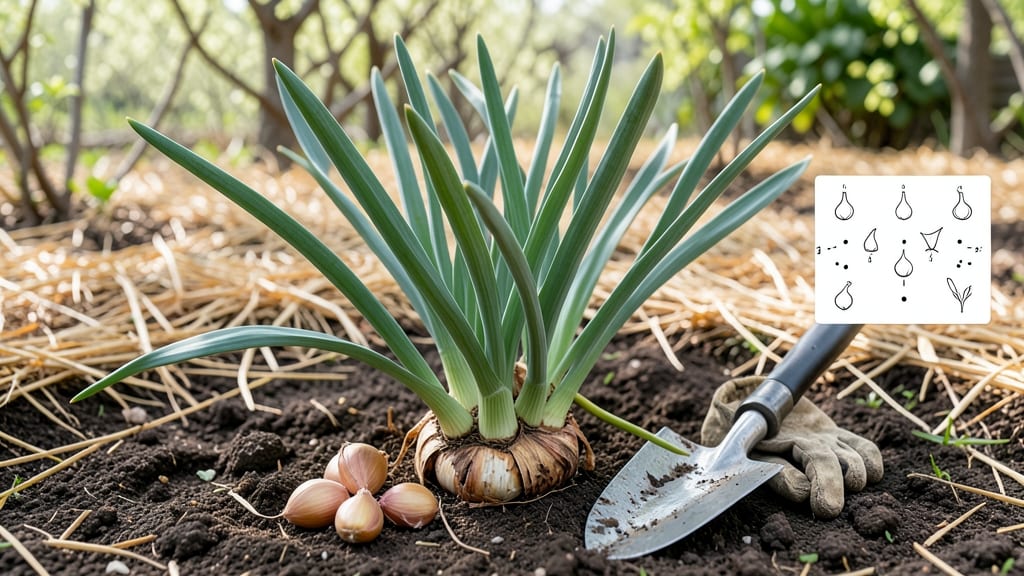
Best fall planting dates for garlic in Tennessee (climate zones 6 & 7)
Planting garlic in Tennessee requires precision—especially since our USDA Zones 6a-7b experience early frosts and variable soil temperatures. The key to success? Planting 4-6 weeks before the ground freezes, typically between mid-October and Halloween.
This timing ensures garlic bulbs establish roots before winter dormancy, leading to larger, healthier harvests the following summer.
Tennessee’s microclimates—from Nashville’s Zone 7a to Chattanooga’s Zone 6b—demand flexibility. While Nashville can plant garlic until November 10, Chattanooga’s earlier frost means you should finish by October 25.
Hardneck varieties, like ‘Music’ or ‘German White’, thrive in Tennessee’s climate, while softnecks (like ‘Artichoke’) are better for milder winters.
Soil temperature is your best guide: aim for 40–50°F (4–10°C). Use a soil thermometer to check—if temps drop below 32°F (0°C), your garlic may freeze before rooting. Pro tip: Plant in well-draining soil with a pH of 6.0–7.0 to prevent rot during winter’s moisture fluctuations.
🌱 Tennessee Garlic Planting Summary
| Region | Zone | Ideal Planting Window | Soil Temp | Variety Recommendation |
|---|---|---|---|---|
| Nashville | 7a | Oct 15–Nov 10 | 40–50°F | Hardneck (Music, German White) |
| Chattanooga | 6b | Oct 1–Oct 25 | 40–50°F | Hardneck (Silverskin, Rocambole) |
| Knoxville | 7a | Oct 10–Nov 5 | 40–50°F | Hardneck (Creole, Inchelium Red) |
| Memphis | 7b | Oct 20–Nov 15 | 40–50°F | Softneck (Silverskin) |
⏰ Note: Adjust for early frosts—plant sooner in high-elevation areas!
Missed the fall window? Don’t panic—you can still plant garlic in early spring (March), but yields will be smaller and later. Spring-planted garlic relies on summer’s heat to mature, often producing softneck varieties instead of hardnecks.
For best results, stick to fall planting and use local nurseries or online seed suppliers for climate-adapted varieties.
Tennessee’s humid climate can also pose risks: fungal diseases like white rot thrive in soggy soil. To prevent this, plant garlic in raised beds or mounded soil to improve drainage.
Add 2–3 inches of organic mulch (straw or leaves) after planting to insulate bulbs and suppress weeds—just avoid piling mulch directly against stems to prevent rot.
One common mistake Tennessee gardeners make? Planting garlic too early in September. While soil may still be warm, cloves can sprout prematurely and get damaged by early frosts. Wait until soil temps drop below 70°F (21°C)—this signals garlic it’s time to bulb up for winter.
For a foolproof method, use the “Halloween Rule”: If you’re in Zone 7, plant garlic by Halloween. This gives bulbs enough time to root before winter. In Zone 6, aim for October 15**—earlier is better!
Test your soil’s readiness by pressing your finger into the ground; if it’s crumbly but cool, it’s time to plant.
Hardneck varieties are Tennessee’s superstars—their harder outer skins resist winter moisture better than softnecks. Choose ‘Music’ or ‘German White’ for large bulbs and ‘Rocambole’ for bold flavors.
Separate cloves from a bulb, plant the flat side down, and space them 4–6 inches apart in rows 12 inches apart for easy harvesting.
Remember: Garlic planted in fall will harvest in late June–July of the following year. The longer it overwinters, the larger the bulbs—so don’t rush! With the right timing, Tennessee’s climate can yield exceptional garlic, perfect for braiding or cooking. Happy planting!
How to time your garlic planting for maximum yield in Tennessee’s soil
Timing your garlic planting in Tennessee isn’t just about picking a month—it’s about reading your soil, climate, and even the moon phases to set your crop up for success. Hardneck varieties, like the popular Music or German White, thrive best when planted in fall (October–November), while softneck varieties can tolerate slightly later dates.
But here’s the catch: if you plant too early, your cloves may sprout and get fried by a hard frost. Too late, and they won’t establish strong roots before winter dormancy.
Start by testing your soil temperature. Garlic cloves need the ground to be 40–50°F at planting depth (about 2 inches down). In Tennessee’s USDA Zones 6a–7b, this usually aligns with mid-October to early November.
Use a soil thermometer for accuracy—don’t guess! If your soil is still warm (above 50°F), wait a week or two. Patience here pays off with larger bulbs next summer.
Planting garlic in late November or December risks shallow root growth, leaving bulbs vulnerable to heaving (frost pushing them out of the soil). In Zone 7 (e.g., Nashville), aim to finish planting by Halloween for best results. If you miss the window, hold off until early spring (February–March), but yields will be smaller.
Don’t overlook moon phases either! Planting during the waning moon (when the moon is shrinking) is a traditional trick to encourage root development. Check a lunar calendar—this is especially useful if you’re planting near Tennessee’s first frost dates (mid-October in the mountains, later in West Tennessee).
For example, if the waning moon falls on October 20th and your soil is 45°F, that’s your sweet spot.
Once planted, mulch heavily (4–6 inches of straw or leaves) to insulate the soil and protect cloves from temperature swings. In Tennessee’s humid climate, this also prevents soil-borne diseases like white rot.
Skip synthetic mulches—they can trap too much moisture. Instead, use organic matter that breaks down slowly, feeding your garlic as it grows.
If you’re new to garlic growing, start small with 3–5 cloves to test your timing. Try planting a few in early October and others in mid-November, then compare the results next summer.
You’ll quickly learn how your specific microclimate (valley vs. ridge, urban vs. rural) affects growth. Pro tip: Label your rows! By next June, you’ll want to remember which cloves you planted when.
Finally, resist the urge to fertilize right after planting. Garlic needs time to establish roots before it can use nutrients effectively. Wait until spring (March–April) to add a balanced fertilizer (like 5-10-10) when shoots are 2–3 inches tall.
This timing mirrors Tennessee’s natural thaw, giving your garlic the boost it needs as it breaks dormancy.