
Plants
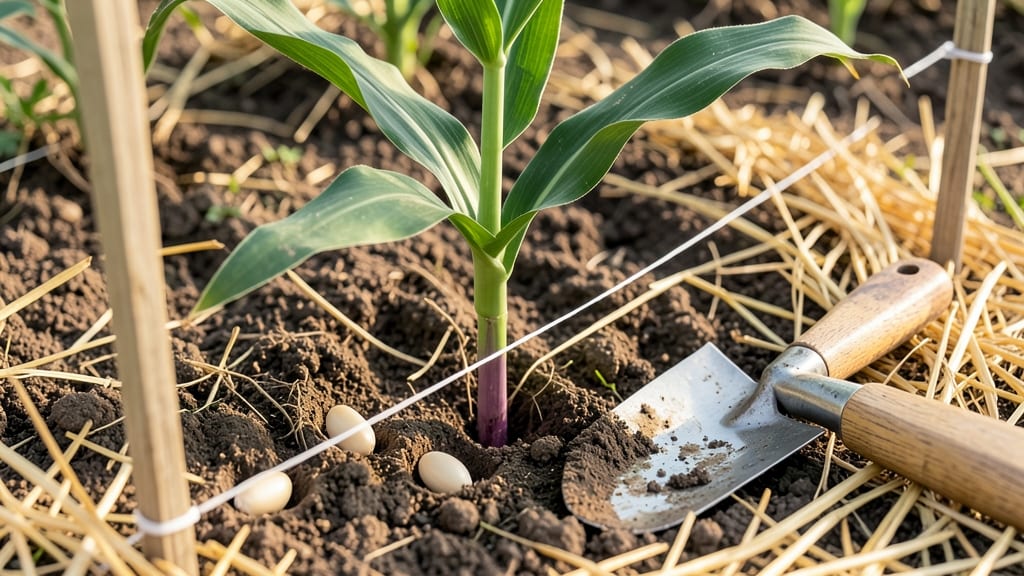
Planting corn in Illinois at the wrong time can mean the difference between a bountiful harvest and struggling stalks that never reach their full potential.
The exact weeks before last frost—typically between Late April and Mid-May—are critical for giving your 🌽 the strong start it needs to thrive in USDA zones 5b-6b.
Many gardeners make the mistake of planting too early, only to see their corn wilt when a late frost hits. But timing isn’t just about avoiding frost—it’s also about ensuring soil temperatures stay above 60°F, which is when corn seeds finally germinate reliably.
If you wait until the last possible moment, you risk running out of the 165 frost-free days Illinois typically offers.
In this guide, I’ll break down the science-backed windows for planting corn in Illinois, whether you’re growing sweet corn for the table or field corn for livestock. You’ll learn how to adjust for wet springs, drought years, and even early frosts—so you can maximize your yield without guesswork.
Ready to grow corn that stands tall and strong? Let’s dive into the perfect planting schedule that’ll have your garden producing ears by July or August, no matter where you are in the state.
Illinois corn planting timeline: exact weeks before last frost for optimal growth
Planting corn in Illinois at the right time means the difference between 10-foot stalks and stunted growth. Most gardeners aim for 2-3 weeks after the last frost date, but soil temperature and variety play just as big a role.
In USDA zones 5b-7a, this typically lands between late April and mid-May, depending on your region.
Northern Illinois (zones 5b-6a) has a later frost risk, so I recommend waiting until May 1-15 for most varieties. Southern Illinois (zones 6b-7a) can start as early as mid-April, but always verify your local frost-free date—the Illinois State Water Survey provides county-specific data.
Here’s the golden rule: Plant when soil reaches 60°F at 4-inch depth. A soil thermometer is your best friend—corn seeds won’t germinate below 50°F, and cold soil leads to weak, disease-prone stalks.
In Illinois, this usually aligns with 2-3 weeks after last frost, but wet springs can delay planting.
For sweet corn, early varieties (like 'Silver Queen') can handle cooler soils, while field corn needs warmer conditions. I’ve planted 'Ambrosia' in early May for consistent success—its 85-day maturity fits Illinois’ 165-day frost-free window perfectly.
| Planting Window | Soil Temp Requirement | Days to Maturity | Best Varieties |
|---|---|---|---|
| Late April (Southern IL) | 60°F+ | 60-75 days | 'Peaches and Cream', 'Golden Bantam' |
| Mid-April (Late Start) | 55°F+ (with row covers) | 80-90 days | 'Country Gentle', 'Early Sunglow' |
| Early May (Northern IL) | 65°F+ | 90-110 days | 'Ambrosia', 'Golden Cross Bantam' |
| June (Emergency Plant) | 70°F+ | 55-65 days | 'Early Sunglow', 'Temptation' |
Pro tip: Use black plastic mulch to warm soil faster if you’re planting early. I’ve seen it raise soil temps by 5-10°F in just days.
For direct sowing, plant seeds 1-1.5 inches deep and space rows 30 inches apart—this gives stalks room to develop strong stalks and prevents corn earworm infestations.
If you’re growing multiple varieties, stagger plantings every 2 weeks to extend harvest time. My July-September harvest window stays full this way, and I avoid the drought stress that hits all plants at once. Just remember: Late plantings after June won’t mature fully in Illinois’ climate.
For northern Illinois gardeners, consider short-season varieties like 'Bodacious' (70 days) to beat early fall frosts. In southern Illinois, you can push it to late June with 90-day varieties like 'Peaches and Cream'.
Always check the back of seed packets—they list days to maturity based on your last frost date.
One mistake I see often? Planting too deep. Seeds need moisture but not suffocation. Aim for 1 inch deep in loose soil or 1.5 inches in heavy clay. Overwatering after planting can also leach nutrients and delay germination. Keep soil evenly moist (not soggy) until sprouts appear.
Finally, mark your calendar for July 4th weekend—that’s when most Illinois corn reaches tasseling stage. This is your cue to increase watering and watch for corn borers. With the right timing, you’ll have plump, sweet ears
How to adjust corn planting dates for Illinois weather patterns and soil conditions
Illinois gardeners know that weather unpredictability can turn a perfect planting plan into a disaster. Wet springs delay field prep, while early frosts can stunt young seedlings. Adjusting your corn planting dates based on soil temperature and local forecasts is the key to success.
For northern Illinois (USDA Zone 5b), aim to plant 2-3 weeks after your average last frost date—typically mid-to-late May. Southern Illinois (Zone 6b) can start 2 weeks earlier, around early May. Always verify with your local cooperative extension office for microclimate adjustments.
🌱
⚠️ Critical Adjustments for Illinois Weather
- Cold soil delay: Wait until soil reaches 60°F+ (use a soil thermometer).
- Flooded fields: Plant 1-2 weeks late if spring rains persist.
- Drought risk: Start seeds indoors 2 weeks early for transplanting.
- Late frost: Have row covers ready for seedlings.
Pro tip: Illinois' April-May temperature swings can be extreme—monitor forecasts closely.
Test your soil temperature daily using a soil thermometer inserted 2 inches deep. Corn seeds won't germinate below 50°F, and growth slows dramatically below 60°F. In northern Illinois, this often means waiting until late May for reliable germination.
If your spring is unusually wet, consider staggered planting—sow half your seeds at the ideal time and half 10 days later. This extends harvest windows and reduces risk from unpredictable weather. For drought-prone years, prioritize drought-tolerant varieties like 'Silver Queen' or 'Peaches and Cream'.
For failed germination, replant immediately with fresh seeds if you have 6+ weeks until your first frost. Use row covers to protect young plants from late frosts (common in northern Illinois). Space new plants 1 inch apart initially, then thin to 12 inches when 6 inches tall.
🌿 Always keep a planting journal to track what works in your specific Illinois microclimate. Over time, you'll spot patterns—like 2023's early frost or 2022's record heat wave—and adjust accordingly. Your location's history is your best guide!