
Plants
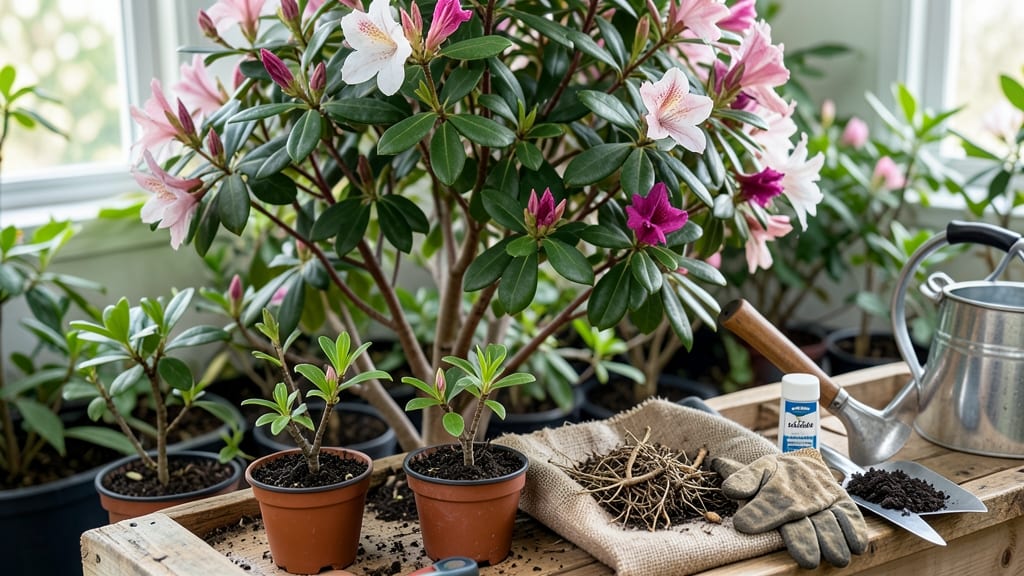
If you’ve ever wondered why your 🌸 azaleas in Florida struggle to bloom—or how to get vibrant flowers year-round—timing your planting is the game-changer. Florida’s unique climate zones mean coastal areas like Miami and inland spots like Orlando have different ideal windows, and getting it wrong can stress your shrubs.
Most gardeners know fall is the prime time, but did you know early spring works too? Planting in October–November or February–March gives azaleas the best shot at thriving, whether you’re battling humidity in the Panhandle or sandy soil near the coast.
The key? Avoiding extreme heat and preparing soil with the right acidity.
In this guide, I’ll break down the exact planting months for Florida’s microclimates, from frost-sensitive North Florida to frost-free South Florida. You’ll also discover which azalea varieties—like Ralph Nelson Elliott—thrive in your region and how to care for them post-planting to ensure spring blooms that last.
Ready to turn your yard into a fragrant, colorful haven? Let’s dive into the secrets that make all the difference for Florida azaleas.
Best azalea planting months in Florida: coastal vs inland climate breakdown
Florida’s diverse microclimates mean your azalea planting window depends on whether you’re in North Florida’s cooler hills or South Florida’s tropical coast. In USDA Zones 8a-11, timing matters—plant too early, and summer heat stresses roots; too late, and winter cold stunts growth. Let’s break it down by region.
For North Florida (Panhandle, Gainesville, Ocala), aim for October-November or February-March. These months offer mild temperatures (60-75°F) and lower humidity, giving roots time to establish before summer’s 90°F+ heat or winter’s occasional frosts (Zone 8a).
Coastal areas like Jacksonville or St. Augustine can also plant in January if frost isn’t forecasted.
In Central Florida (Orlando, Tampa, Lakeland), your window expands slightly to September-April. The drier winter months (November-February) are ideal, but September works if you water deeply post-planting.
Avoid summer planting—the 95°F+ heat and hurricane season (June-November) create stress. Use mulch to retain moisture if planting in late summer.
For South Florida (Miami, Fort Lauderdale, Key West), you’re in luck: year-round planting is possible! However, October-March is still best. The dry season (November-April) reduces fungal risks, while summer’s torrential rains can drown roots.
If planting in June-September, choose container-grown azaleas for easier moisture control and move them indoors during storms.
| Region | Best Planting Months | Avoid Planting | Key Considerations |
|---|---|---|---|
| North Florida (Zones 8a-9a) | Oct-Nov, Feb-Mar | May-Sept, Dec (frost risk) | Mulch heavily; water deep weekly |
| Central Florida (Zones 9b-10a) | Sep-Apr | Jun-Aug (hurricane/heat) | Use shade cloth if planting in Sept |
| South Florida (Zones 10b-11) | Oct-Mar (year-round possible) | Jun-Sept (excess rain) | Container planting recommended for summer |
Pro tip: Fall planting (October-November) is my top recommendation for year-round blooms. Azaleas planted in fall establish roots before summer’s heat, leading to stronger growth and more abundant spring flowers. In North Florida, this also avoids winter frost risks that can damage young transplants.
If you’re in South Florida and want year-round color, mix early-blooming (January-March) and late-blooming (October-December) varieties. For example, ‘Southern Indica’ blooms in late fall, while ‘George L. Taber’ lights up in spring. Plant them in partial shade (4-6 hours of sun) to prevent leaf scorch from afternoon heat.
For container planting, Florida’s sandy soil makes in-ground planting tricky. Use a well-draining potting mix with peat moss to maintain acidic pH (4.5-6.0). Containers also let you move azaleas indoors during hurricane season or freezing fronts in North Florida.
Just ensure pots have drainage holes and use larger containers (15+ gallons) for mature shrubs.
One critical mistake? Planting azaleas in full sun. While they tolerate morning sun, afternoon rays (12 PM-4 PM) in Florida’s 90°F+ climate cause leaf burn. Instead, place them under high-canopy trees (like oaks) or use 50% shade cloth during peak summer months.
This protects delicate blooms and leaves while still allowing enough light for photosynthesis.
Finally, soil prep is non-negotiable. Florida’s sandy soil drains too quickly, so amend with 2-3 inches of organic matter (compost, pine bark fines). Test your soil’s pH—azaleas thrive at 4.5-6.0.
If your soil is too alkaline, add sulfur or peat moss to lower the pH before planting. This step alone can mean the difference between vibrant blooms and stunted growth.
Ready to plant? Grab your gloves and shovel—Florida’s azalea season starts
Best azalea planting months in Florida: coastal vs inland climate breakdown
Florida’s climate isn’t one-size-fits-all—so your azalea planting timeline depends on whether you’re in coastal Miami or inland Orlando. Coastal areas enjoy warmer winters and humid summers, while inland zones face cooler nights and drier air.
Both regions share one rule: plant azaleas when temps hover between 60°F–75°F for root establishment.
For North Florida (Zones 8a–9a), like Jacksonville or Gainesville, aim for late October to early November or February to early March. These windows avoid summer heat stress and winter frost risks.
In Central/South Florida (Zones 10a–11), like Tampa or Miami, you can plant year-round, but September–October and January–February are ideal for minimal transplant shock.
Here’s the key difference: Coastal azaleas thrive with salt-tolerant varieties (like Southern Indica) planted in well-draining soil to handle hurricane salt spray. Inland gardens can handle evergreen azaleas (e.g., Ralph Nelson Elliott) that bloom spring through summer.
| Region | Best Planting Window | Key Considerations | Avoid Planting In |
|---|---|---|---|
| North Florida (Zones 8a–9a) | Late Oct–Early Nov Feb–Early Mar |
Frost risk (Dec–Jan) Hot summers (May–Sep) |
June–August (heat stress) |
| Central Florida (Zone 9b) | Sep–Oct Jan–Feb |
Humidity spikes (summer) Mild winters |
April–May (drought stress) |
| South Florida (Zones 10a–11) | Year-round (peak: Sep–Oct) | Salt tolerance needed High humidity |
None (but avoid hurricane season) |
Why does timing matter so much? Azaleas are semi-dormant in summer and stressed by heat. Planting in fall lets roots establish before winter rains, while spring planting ensures blooms by summer. Pro tip: Soak roots before transplanting to reduce shock in Florida’s sandy, fast-draining soil.
For container-grown azaleas, timing shifts slightly—plant anytime but water daily for 2 weeks to help roots adjust. Coastal gardeners should rinse soil after storms to flush out salt buildup, which burns roots. Inland areas? Focus on mulching to retain moisture during dry spells.
Remember: Azaleas bloom on old wood, so never prune after mid-summer—or you’ll sacrifice next year’s flowers. Pair your planting with acid-loving fertilizer (pH 4.5–6.0) for vibrant blooms by spring.