
Plants
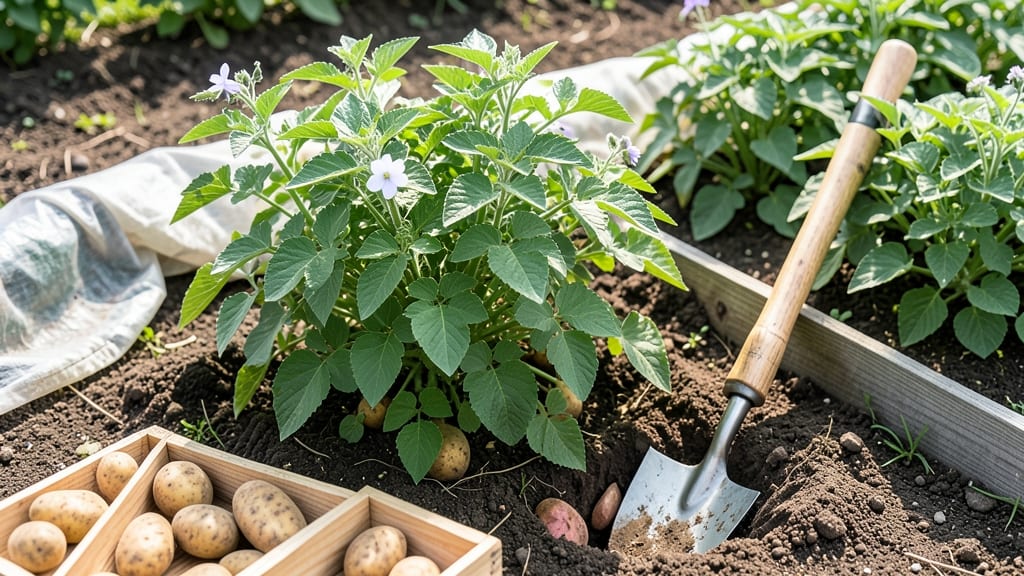
Planting potatoes in NC at the wrong time can mean the difference between a bumper crop and wasted effort—and with North Carolina’s diverse climate zones, getting the timing right is everything. Whether you're in the cooler mountains or the warmer Coastal Plain, soil temperature and frost dates dictate when to drop those spuds in the ground for fast germination and a thriving harvest.
Most gardeners in NC’s 7a-8a zones (like Raleigh or Charlotte) can start planting as early as February under frost protection, but the real secret lies in waiting for soil temperatures to hit 45-55°F.
Too cold, and your potatoes won’t sprout; too warm, and you risk missing the sweet spot for peak harvests in late spring. Let’s break down the exact windows—and how to adjust for your specific corner of the state.
You might think "just plant them early" is the answer, but frost can still sneak in and kill tender sprouts. That’s why I’ll share pro tips for extending your growing season, from using frost blankets to choosing the right varieties for your microclimate.
Whether you’re a first-time gardener or a seasoned green thumb, these strategies will help you maximize your 🥔 harvest without the guesswork.
Ready to dig in? By the end of this guide, you’ll know exactly when to plant, how to test your soil, and which tricks work best for NC’s unpredictable weather. Let’s get those potatoes growing—and growing fast!
NC potato planting calendar: ideal dates by soil temperature zones
North Carolina’s diverse climate—from the Coastal Plain to the Mountains—means potato planting dates vary dramatically. Most of the state falls in USDA Zones 7a-8a, but microclimates create exceptions. The key to success? Planting when soil temperatures hit 45-55°F for consistent germination.
In Zone 7a (e.g., Raleigh, Durham), aim for mid-March to early April. Warmer Zone 8a areas (e.g., Charlotte, Fayetteville) can start as early as late February. Mountain regions (e.g., Asheville, Boone) should wait until late April to avoid frost damage.
Here’s how to align your planting with NC’s frost risks and soil conditions:
For early-season planting, use frost blankets or cold frames to protect sprouts. In Zone 8a, you can even plant seed potatoes in late January under row covers. Just remove them when soil warms to 50°F.
Pro tip: If you miss the spring window, try a fall planting (late August) for a winter harvest. Use early-maturing varieties like Red LaSoda (60 days) to beat the first frost.
Always check NC State Extension’s frost maps for your exact location—local variations can shift planting by 2-3 weeks. For example, Wilmington’s last frost is weeks earlier than Asheville’s, even though they’re only 200 miles apart.
Remember: Potatoes need 60-90 days to mature. Planting too late means harvests coincide with summer heat stress, reducing yield and quality. Aim for tubers to reach maturity before July in most of NC.
🌱
How to test soil temperature for perfect potato germination in NC
Potatoes need consistent soil temperatures between 45-55°F to germinate properly. In North Carolina, where USDA zones 6b-8a create varied microclimates, testing soil temperature is the key to avoiding slow or failed sprouts.
A simple soil thermometer—available for under $10—gives precise readings, but even DIY methods like the elbow test can help you gauge readiness.
Start testing soil temperature 2-3 weeks before your target planting date. For most of NC, this means checking in late February to early March for early spring plantings.
Coastal areas like Wilmington may need to wait until mid-March, while mountain regions like Asheville can plant as early as late February if soil warms quickly.
🌱 Step-by-Step Soil Temperature Guide for NC Potatoes
- Step 1: Insert a soil thermometer 4 inches deep (same depth as seed potatoes) in a shady spot.
- Step 2: Take readings at 10 AM and 4 PM for 3 consecutive days to account for daily fluctuations.
- Step 3: Average the readings—45°F+ means it’s time to plant; below 45°F, wait 1-2 weeks.
- Step 4: For cooler zones (e.g., USDA 6b), use black plastic mulch 1-2 weeks before planting to warm soil faster.
- Step 5: If soil stays below 40°F, delay planting or use row covers for protection.
If you don’t have a thermometer, try the elbow test: Press your elbow into the soil—if it feels cool but not freezing, temperatures are likely in the ideal range.
However, this method is less reliable in NC’s humid climate, where soil can feel warmer than it actually is due to moisture retention.
Adjust planting depth based on soil temperature: Cooler soils (45-50°F)? Plant 4-5 inches deep to protect sprouts. Warmer soils (50-55°F)? Shallow planting at 3-4 inches encourages faster germination. In zones like USDA 8a (e.g., Raleigh), where soil warms quickly, shallow planting reduces risk of rot.
Slow sprouting? It’s often a sign of cold soil. In NC’s mountain regions, where frost lingers longer, consider starter pots or greenhouse sowing 4-6 weeks before transplanting. For coastal areas, where soil warms early, watch for heat stress—plant in partial shade if temperatures exceed 80°F during germination.
Pro tip: Keep a planting journal to track soil temps and germination success. Over time, you’ll spot patterns—like how Asheville’s rocky soil heats up slower than Charlotte’s loamy soil—and fine-tune your schedule. NC State Extension’s local frost maps are a great resource to cross-reference your data.