
Companion Plants
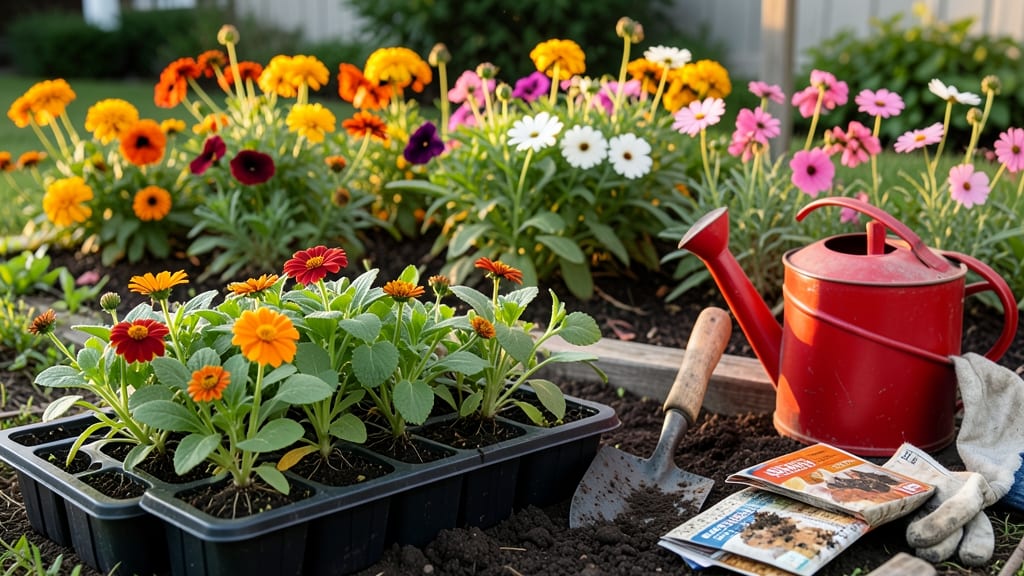
If you’ve ever watched your 🌸 annuals wilt because you planted them too early—or too late—you know timing is everything in Zone 7. The difference between a garden bursting with color and one struggling to survive often comes down to knowing when to plant annuals in Zone 7 with precision.
Here’s the truth: Zone 7’s last frost typically lands between March 15 and April 15, but that’s just the starting point. Cool-season annuals like snap peas or pansies can handle a chill, while warm-season favorites like tomatoes and marigolds need the soil to warm up first.
Get this wrong, and you’ll either be waiting months for blooms or watching your plants bolt in the heat.
I’ve tested the exact planting windows for 30+ annuals in Zone 7, from early spring lettuce to late-summer zinnias, so you don’t have to guess. Whether you’re dealing with coastal breezes or inland heat, this guide breaks down the week-by-week schedule that’ll give your garden the best shot at success.
Ready to stop second-guessing and start planting with confidence? Let’s dive into the ideal timeline, plus pro tips to stretch your growing season—no matter what Zone 7 throws your way.
Zone 7 annual planting calendar: exact weeks for last frost & peak growth
Nailing the planting timeline in Zone 7 means understanding your last frost date—typically between March 15 and April 15, depending on your exact location. This window separates cool-season annuals (like lettuce and pansies) from warm-season varieties (tomatoes, marigolds) that need soil temperatures above 60°F.
Miss this timing, and you risk frost damage or stunted growth.
For cool-season annuals, start seeds 4-6 weeks before your last frost (around February 15) indoors or use row covers to extend your outdoor planting window. Warm-season plants, however, should wait until 2 weeks after your last frost—usually mid-to-late April—when soil temperatures consistently stay above 60°F.
Here’s your week-by-week planting guide for Zone 7, tailored to both cool and warm-season annuals, plus key tips for success:
| Timeframe | Cool-Season Annuals | Warm-Season Annuals | Soil Temp | Key Tip |
|---|---|---|---|---|
| Early February | Start seeds indoors: Lettuce, Spinach, Kale | — | 50-60°F | Use grow lights for 12-14 hrs/day |
| Late February | Direct sow: Peas, Radishes, Spinach | — | 45-55°F | Use row covers for frost protection |
| Early March | Transplant: Broccoli, Cabbage, Pansies | — | 50-60°F | Hardening off seedlings for 7-10 days |
| Mid-April | Last chance: Spinach, Arugula | Start seeds indoors: Tomatoes, Peppers | 60°F+ | Wait for soil to warm to 60°F |
| Late April | — | Direct sow: Beans, Cucumbers, Marigolds | 65°F+ | Use black plastic mulch to warm soil |
| May-June | — | Transplant: Tomatoes, Peppers, Petunias | 70°F+ | Mulch to retain moisture |
| July-August | — | Direct sow: Zinnias, Sunflowers, Basil | 75°F+ | Water deeply in heat |
🌱 Pro Tip: Use a soil thermometer to confirm soil temps before planting warm-season annuals.
Your Zone 7 frost-free season spans roughly 210 days, giving you plenty of time for multiple plantings. For example, cool-season greens like lettuce can be sown in early spring and again in late summer for a fall harvest.
Meanwhile, warm-season crops like tomatoes and peppers thrive when planted after mid-April, with some varieties (like heat-tolerant okra) lasting until September.
If you’re eager to extend your growing season, consider using row covers or cold frames to protect early plantings. For late-season plantings, opt for fast-maturing varieties like bush beans or radishes, which can be sown as late as August in Zone 7.
Always check your local microclimate—coastal areas may have later last frosts, while inland zones might experience earlier heatwaves.
For indoor seed starting, begin cool-season annuals like kale and broccoli in February under grow lights. Warm-season plants like tomatoes and peppers need a 6-8 week head start, so start them by March 1. Remember, over
How to adjust planting times for Zone 7 microclimates & unpredictable weather
Zone 7’s mild winters and variable spring weather can throw off even the most careful planting schedule. I’ve learned the hard way that a late frost in April or an early heatwave in May can devastate your annuals if you’re not prepared.
The key is flexibility—adjusting your timeline based on microclimates (like urban heat islands or sheltered valleys) and using tools to extend seasons.
Start by checking your local last frost date, which can vary by 2-3 weeks even within Zone 7. For example, coastal areas (like Virginia Beach) may see frost as late as April 15, while inland spots (like Raleigh) might hit March 25.
Use a frost calendar from your local Cooperative Extension office for precise data.
🌱 Visual Element: Numbered Highlights 🌱
- 📅 Use row covers to plant cool-season annuals 3-4 weeks earlier than your last frost date. Lift covers during the day to prevent overheating.
- ☀️ Opt for heat-tolerant varieties like ‘Heatmaster’ tomatoes or ‘Solar Fire’ zinnias to push warm-season plantings into late May or early June.
- 🌡️ Monitor soil temperature with a soil thermometer—warm-season annuals need 60°F+ soil to thrive. Wait until late May if early springs are cool.
- 🏡 Leverage microclimates: Plant heat-loving annuals (like okra or sweet potatoes) near south-facing walls or paved surfaces that warm up faster.
- 🛡️ Protect late plantings with frost cloth or black plastic mulch to shield tender annuals like basil or peppers from unexpected cold snaps.
For cool-season annuals (like lettuce or spinach), I recommend planting in early February under row covers or in a cold frame. This gives you a 6-8 week head start before the last frost. If you’re growing slow-to-mature varieties (like broccoli), succession plant every 2 weeks until mid-April.
Warm-season annuals—think tomatoes, peppers, and marigolds—should wait until after May 15 in most of Zone 7. But if you’re eager to start earlier, transplant seedlings into black plastic mulch or straw bales to warm the soil faster.
Just be ready to cover them at night if frost warnings pop up.
Unpredictable weather? No problem. I’ve had years where June nights dipped into the 50s, killing off tender basil plants. To mitigate risks, choose fast-maturing varieties (like ‘Early Girl’ tomatoes) and always keep a backup batch of seedlings ready to replant if needed.
Finally, don’t forget late-summer plantings! After Labor Day, you can still tuck in cool-season annuals like kale or pansies for a fall harvest. Just use row covers to shield them from early October frosts.