
Plants
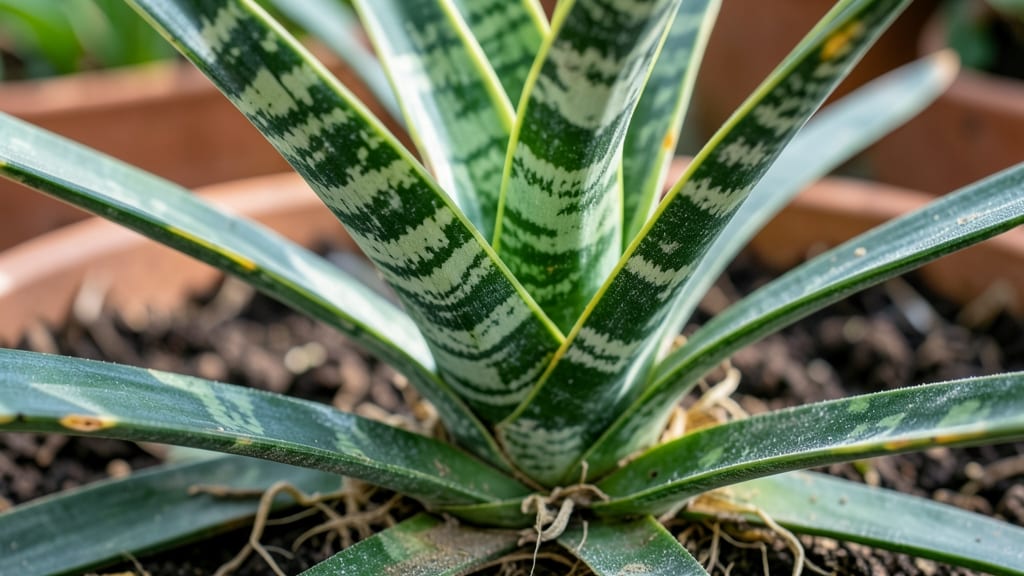
If your snake plant 🌱 is looking a little sad—yellowing leaves or stretched-out growth—you might be getting how much light does a snake plant require wrong.
This hardy plant is famous for surviving neglect, but even it has a sweet spot for brightness that keeps it thriving (not just barely alive).
The good news? Snake plants are flexible—they handle low-light corners and even some direct sun, but there’s a goldilocks zone where they truly shine. Too little light, and they’ll grow leggy; too much, and those crisp edges burn.
I’ll show you exactly how to spot the perfect balance in your home, so your plant stays lush and proud.
Whether you’re dealing with a dim office or a sun-drenched living room, we’ll break down the signs of light stress and where to place your snake plant for optimal growth. No guesswork—just science-backed tips to keep your 🌱 green machine happy year-round.
Ready to stop second-guessing your plant’s lighting? Let’s dive into the simple tricks that’ll transform your snake plant from “meh” to “wow” in no time.
 Best Window Placement
Ideal light requirements for snake plants: direct sunlight vs indirect bright light
Snake plants (Sansevieria) are famous for their adaptability, but their light requirements are where most beginners stumble. Unlike sun-hungry succulents, snake plants thrive in low to bright indirect light, making them perfect for offices or dim corners.
However, too much direct sun or shadow can stress them—let’s break down the perfect balance.
The key is bright indirect light, which mimics their natural habitat under dappled African sunlight. Think of it as morning sun without harsh afternoon rays. A north- or east-facing window is ideal, while west or south windows need a sheer curtain to diffuse intensity.
Even artificial grow lights (12-14 hours daily) work in a pinch for low-light spaces.
Here’s the golden rule: 4-6 hours of indirect light daily keeps your snake plant happy. Too little? Growth slows and leaves pale. Too much? Leaves scorch or develop brown tips. The trick is observing your plant’s foliage color—deep green means it’s thriving, while yellow or crispy edges signal stress.
🌱
| Light Type | Hours Needed | Ideal Window | Signs of Stress |
|---|---|---|---|
| Bright Indirect | 4-6 hours | North/East | Deep green leaves |
| Low Light | 2-4 hours | Corner away from windows | Slow growth, pale leaves |
| Direct Sun | >6 hours | South/West (unfiltered) | Brown tips, crispy edges |
If your home lacks natural light, grow lights are a game-changer. LED full-spectrum bulbs (like the Samsung LM300) placed 6-12 inches above your plant mimic sunlight perfectly.
Run them for 12-14 hours daily to compensate for dim conditions. Pro tip: Rotate your plant quarter-turns weekly to prevent lopsided growth toward the light source.
Outdoor snake plants? They handle partial shade to morning sun beautifully but avoid scorching afternoon rays. In USDA Zone 6a, I’ve seen them thrive in east-facing garden beds with dappled shade from nearby trees. Just avoid full sun—those yellow-brown patches are a dead giveaway for sunburn.
For office environments, fluorescent lighting often suffices, but supplement with a small LED grow light if leaves start stretching toward the window—a classic sign of etiolation. Even a rotating schedule near a bright desk lamp (3-4 hours daily) can work in a pinch.
Remember: Snake plants are survivors, but they’ll thrive—not just survive— with the right light. Start with bright indirect light, monitor their leaves, and adjust gradually. Over time, you’ll spot the perfect balance for your home’s unique lighting.
☀️
Signs your snake plant isn’t getting enough (or too much) light
Your snake plant might look tough, but even it has limits. The first clue it’s struggling with light exposure is its leaves. When deprived of adequate bright indirect light, its foliage stretches upward in a desperate reach for light—this is called etiolation.
The leaves also become pale, almost yellowish-green, and grow thinner than usual. If you notice this, your plant is begging for more light! 🌱
Too much direct sunlight, on the other hand, turns the leaf tips brown or crispy, almost like they’ve been sunburned. This is a clear sign of light stress. The edges may develop dark spots or a yellowish halo, while the center of the leaf stays green.
If ignored, the damage spreads, and the plant weakens. The key is finding that sweet spot where your snake plant gets enough light to thrive without getting fried. ✂️
🌱 Quick Light Check
- Pale, stretched leaves = Needs more light
- Brown leaf tips = Too much direct sun
- Slow growth = Light levels are insufficient
- Dark green leaves = Perfect light balance
Another red flag is growth stunting. If your snake plant’s leaves are tiny or the plant isn’t growing at all, it’s likely not getting enough light. In extreme cases, the leaves may even develop a reddish or purplish tint, especially on the undersides.
This is a deficiency symptom and means your plant is struggling to photosynthesize efficiently. Move it closer to a window, but avoid placing it in harsh afternoon sun. ☀️
For office or apartment dwellers, low-light conditions are common. If your snake plant’s leaves are dark green and healthy but growing slowly, it’s likely adapting to low light. While it can survive in these conditions, it won’t thrive.
Consider supplementing with a grow light for 6-8 hours a day if natural light is scarce. Even a simple LED bulb can make a difference! 💡
Pro tip: Rotate your plant every few months to ensure even growth. If one side is darker or leggier than the other, it’s a sign of uneven light exposure.
A slow quarter-turn keeps your snake plant balanced and encourages uniform foliage. This simple habit can prevent future light-related issues and keep your plant looking its best. 🪴
Remember, your snake plant is resilient, but it’s not indestructible. Pay attention to these signs, and you’ll keep your plant happy and healthy for years.
The goal is bright indirect light—think of it as the Goldilocks zone for your snake plant: not too much, not too little, but just right. 🌿