
Plants
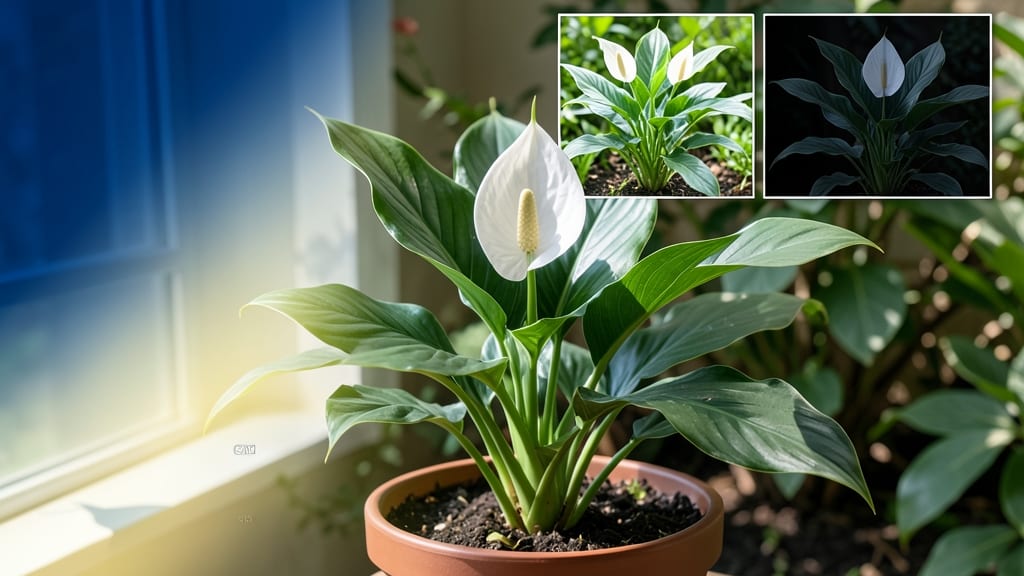
If you're wondering how much light does a peace lily plant need, the answer might be simpler than you think—this plant thrives in low to medium indirect light, often in spots other houseplants would avoid.
Most people assume their Peace Lily needs bright sunlight, but too much direct light can actually harm it, causing leaf burn or yellowing. The key is finding that sweet spot where it gets just enough brightness without harsh rays.
I’ve helped countless plant parents revive their drooping Peace Lilies by adjusting their light setup, and the results speak for themselves.
Whether you’re dealing with a dim corner or a sunlit room, understanding the ideal light conditions will transform your plant’s health. Let me walk you through how to spot the perfect lighting, troubleshoot common mistakes, and keep your Peace Lily lush and blooming year-round.
From recognizing signs of light stress to choosing the right artificial lighting, you’ll discover easy, actionable tips that make all the difference. Let’s get your Peace Lily back to its happiest, healthiest self!
 Best Window Placement
Peace Lily light requirements: ideal brightness levels for healthy growth
The Peace Lily (Spathiphyllum) is one of the most forgiving houseplants when it comes to light conditions. Unlike sun-loving succulents, it thrives in spaces where other plants would struggle—think low-light bathrooms or dim office corners.
But even this resilient plant has limits. Understanding its ideal light spectrum ensures lush foliage and frequent blooms instead of stunted growth or yellowing leaves.
Most gardeners assume bright indirect light is the sweet spot, but Peace Lilies actually do best in medium indirect light (about 4-6 hours daily). This means placing them near a north-facing window where sunlight is filtered through sheer curtains.
If your home lacks natural light, don’t worry—this plant adapts well to artificial lighting too, as long as it mimics natural daylight cycles.
Here’s the key: direct sunlight burns Peace Lily leaves, causing crispy brown edges, while too little light leads to pale, leggy stems and sparse blooms. The goal is to find that balanced middle ground where the plant feels neither stressed nor starved for energy.
Peace Lily Light Needs Rating
Peace Lilies prefer bright but filtered light—think dappled shade under a tree rather than harsh midday sun.
To check if your Peace Lily is getting the right amount of light, observe its leaves and growth pattern. Healthy plants have deep green foliage with occasional white blooms.
If leaves turn yellow or brown, it’s often a sign of overwatering in low light (the plant can’t process excess moisture without enough energy). Conversely, pale or stretched-out leaves mean it’s craving more light.
Pro tip: Rotate your plant quarter-turns every 2-3 weeks to ensure even growth. Peace Lilies grow toward the light, so one side can become lopsided if left untouched. This simple habit keeps your plant symmetrical and robust.
For those with south-facing windows, place your Peace Lily at least 3-5 feet away from the glass to avoid leaf scorch. Even morning sun can be intense, so sheer curtains act as a natural buffer. If you notice crispy edges, move it farther back immediately.
In apartments or homes with minimal natural light, LED grow lights (10,000-15,000K color temperature) work wonders. Just 12-14 hours of light daily mimics a sunny day. Position the bulb 6-12 inches above the plant and adjust height as it grows to prevent legginess.
Seasonal changes also affect light exposure. During winter months, shorter days mean less natural light, so supplement with a timer-controlled grow light if you notice slowed growth or fewer blooms.
Conversely, summer’s longer days can overwhelm indoor spaces—watch for signs of heat stress like drooping leaves in the afternoon.
Remember, the Peace Lily’s adaptability is its superpower. With the right light balance, it rewards you with glossy leaves and elegant white blooms for years. Start by placing it in medium indirect light, monitor its response, and adjust as needed—your plant will thank you with vibrant growth!
Peace Lily light requirements: ideal brightness levels for healthy growth
Peace lilies (Spathiphyllum) are masters of adaptability, thriving where other plants fail. Their ideal light range spans from low to medium indirect sunlight, making them perfect for offices, bathrooms, or north-facing rooms. Unlike sun-loving plants, they despise harsh rays—direct sun causes leaf scorch and stunted growth.
Most gardeners overestimate their light needs, assuming they require bright spots. In reality, a 20% sunlight exposure (about 4-6 hours of filtered light daily) keeps them happy. Think of them as the low-maintenance office plant that survives fluorescent lighting and dim corners.
To test your space's light quality, place a white piece of paper near your plant for a week. If the paper stays mostly white, your peace lily is getting safe indirect light. Brown spots? Move it further away from windows or add a sheer curtain to diffuse rays.
Signs of insufficient light include slow growth, sparse foliage, and pale leaves. Meanwhile, over-exposure reveals itself through crispy leaf edges and yellowing. The key is consistency—peace lilies prefer stable, gentle light over sudden bright/dark shifts.
For indoor gardeners, artificial grow lights (12-14 hours daily) work wonders in windowless rooms. Use cool-white LEDs about 12-18 inches above the plant. Rotate the pot weekly to prevent lopsided growth from one-sided light sources.
Remember: peace lilies are naturally shade-dwelling tropical plants. Mimic their forest-floor habitat by keeping them in bright but diffused conditions. This simple adjustment transforms struggling plants into lush, blooming beauties.