
Plants
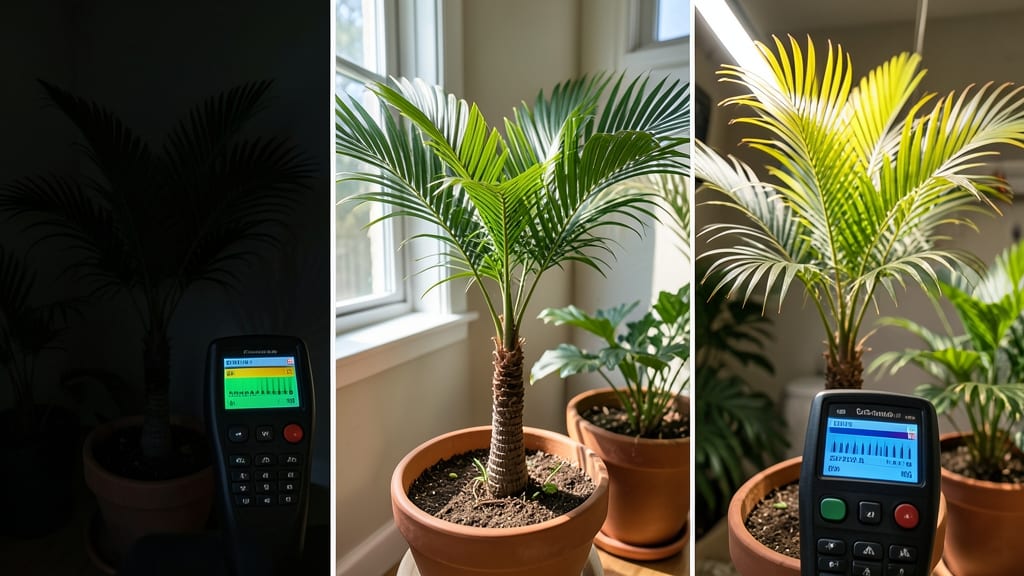
Wondering how much light does a palm plant need to thrive? The right amount isn’t just important—it’s the foundation for healthy growth or the reason your palm looks sad and weak.
Most palms crave bright indirect sunlight, but too much direct sun can scorch their fronds while too little leaves them stretching desperately toward any light source. I’ve seen firsthand how a simple adjustment in placement can transform a struggling palm into a vibrant centerpiece.
Whether you’re growing your palm indoors near a window or outdoors in your 6a zone, understanding these light needs will save you from common mistakes like yellowing leaves or stunted growth. Let’s break down exactly how much light your palm needs to thrive.
From tropical varieties that love filtered light to desert palms that bask in full sun, we’ll cover everything—so you can give your palm the perfect growing conditions it deserves.
 Best Window Placement
Optimal light requirements for different palm plant types
Palm plants thrive when given the right amount of light, but their needs vary dramatically depending on the species. Most palms love bright indirect sunlight, but some tropical varieties can handle low-light conditions indoors, while desert palms crave full sun exposure.
Understanding these differences is key to keeping your palms healthy and preventing common issues like yellow fronds or slow growth.
For example, a parlor palm (Chamaedorea elegans) can thrive in low to medium indirect light, making it perfect for offices or dimly lit rooms.
On the other hand, a Canary Island date palm (Phoenix canariensis) needs 6+ hours of direct sunlight daily to reach its full height and lush appearance. Mixing up these light conditions can lead to stress, so let’s break down the specifics for popular palm types.
🌱 Did You Know? Some palms, like the Kentia palm, can adapt to artificial grow lights if natural light is insufficient, making them great for indoor spaces with limited windows.
| Palm Type | Ideal Light Conditions | Signs of Too Little Light | Signs of Too Much Light |
|---|---|---|---|
| Parlor Palm | Medium to bright indirect light (1,000-2,000 foot-candles) | Leggy growth, sparse fronds | Brown leaf tips, crispy edges |
| Areca Palm | Bright indirect light (2,000-3,000 foot-candles) | Slow growth, yellowing fronds | Bleached or scorched leaves |
| Bamboo Palm | Medium to bright indirect light (1,500-2,500 foot-candles) | Stunted growth, dark green fronds | Brown patches on leaves |
| Canary Island Date Palm | Full sun (6+ hours direct sunlight) | Weak stems, pale fronds | Sunburned leaf tips |
| Kentia Palm | Low to medium indirect light (500-1,500 foot-candles) | Leggy, sparse fronds | Yellowing fronds, weak growth |
When choosing a palm for your space, consider the natural light available. If you have a north-facing window, opt for low-light tolerant palms like the parlor palm or Kentia palm. For south-facing windows or outdoor spaces, Areca palms or date palms will thrive with direct sunlight.
Outdoor palms in hot climates may need afternoon shade to prevent leaf burn, while those in cooler regions can handle full sun year-round. Always monitor your palm’s response to light—adjustments like moving pots or pruning damaged fronds can make a huge difference.
One common mistake is assuming all palms need full sun. In reality, overlighting can be just as harmful as underlighting. Watch for crispy brown edges on leaves, which signal too much direct sun, or stretched, weak stems, a sign of insufficient light.
For indoor palms, rotate them quarter-turns every 2-4 weeks to ensure even light exposure on all sides. This simple step prevents lopsided growth and keeps your palm looking its best.
If you’re unsure about your palm’s light needs, start with bright indirect light and observe its response. Most palms will show you what they need through their growth patterns and leaf health.
How to provide perfect indirect sunlight for indoor palm plants
Indoor palms often struggle with too much direct sun, which can scorch their delicate fronds, or insufficient light, leading to weak, leggy growth. The key is finding that sweet spot of bright indirect sunlight—where they get enough light to thrive without risking damage.
If your palm is near a window but still looking sad, you’re not alone! Many gardeners make the mistake of assuming more light is always better, when in fact, palms prefer gentle, filtered light.
Start by identifying the best window for your palm: east-facing or north-facing windows are ideal because they provide soft, diffused light for most of the day. If you only have a south-facing window, use sheer curtains to filter the harsh afternoon rays.
This mimics the dappled sunlight palms naturally receive in their tropical habitats. Without this adjustment, you’ll likely see brown patches or crispy tips on your palm’s fronds—a sure sign of sunburn.
5 Key Tips for Perfect Indoor Palm Lighting
- Place your palm 3-6 feet from an east or north-facing window for gentle morning light.
- Use sheer white curtains on south-facing windows to diffuse harsh afternoon sun.
- Rotate your palm quarter-turn weekly to ensure even light exposure and prevent lopsided growth.
- Supplement with a grow light 12-14 hours/day if natural light is insufficient (look for full-spectrum LED bulbs).
- Watch for yellowing fronds (too little light) or brown tips (too much light) and adjust placement immediately.
If your home lacks natural light, don’t despair! Grow lights can be a lifesaver for indoor palms. Opt for full-spectrum LED grow lights that mimic sunlight, and position them 6-12 inches above your palm. Run them for 12-14 hours daily to replicate a natural day cycle.
This is especially helpful in low-light apartments or during winter months when daylight is scarce. I’ve seen palms go from droopy and weak to vibrant and healthy within just a few weeks of proper lighting adjustments!
Another pro tip: Rotate your palm every 1-2 weeks. Plants grow toward light sources, so if one side is always facing the window, it’ll stretch unevenly. A simple quarter-turn keeps your palm balanced and symmetrical.
This is a quick habit that makes a huge difference in the long run. Plus, it’s a great excuse to give your plant some extra attention—palms love a little TLC!
For those with multiple palms, consider grouping them together near a window. Palms release humidity as they transpire, creating a microclimate that benefits nearby plants. This mimics their natural tropical environment and can reduce the need for extra misting.
Just be mindful of overcrowding—ensure each plant has enough space to breathe and access light.
Finally, pay attention to your palm’s seasonal needs. In summer, when sunlight is intense, move your palm slightly farther from the window or add an extra layer of sheer curtain to protect it.
In winter, when days are shorter, supplement with a grow light or shift your palm to the sunniest spot in your home. Small adjustments like these ensure your palm stays happy year-round.